Image Credit: depositphotos.com
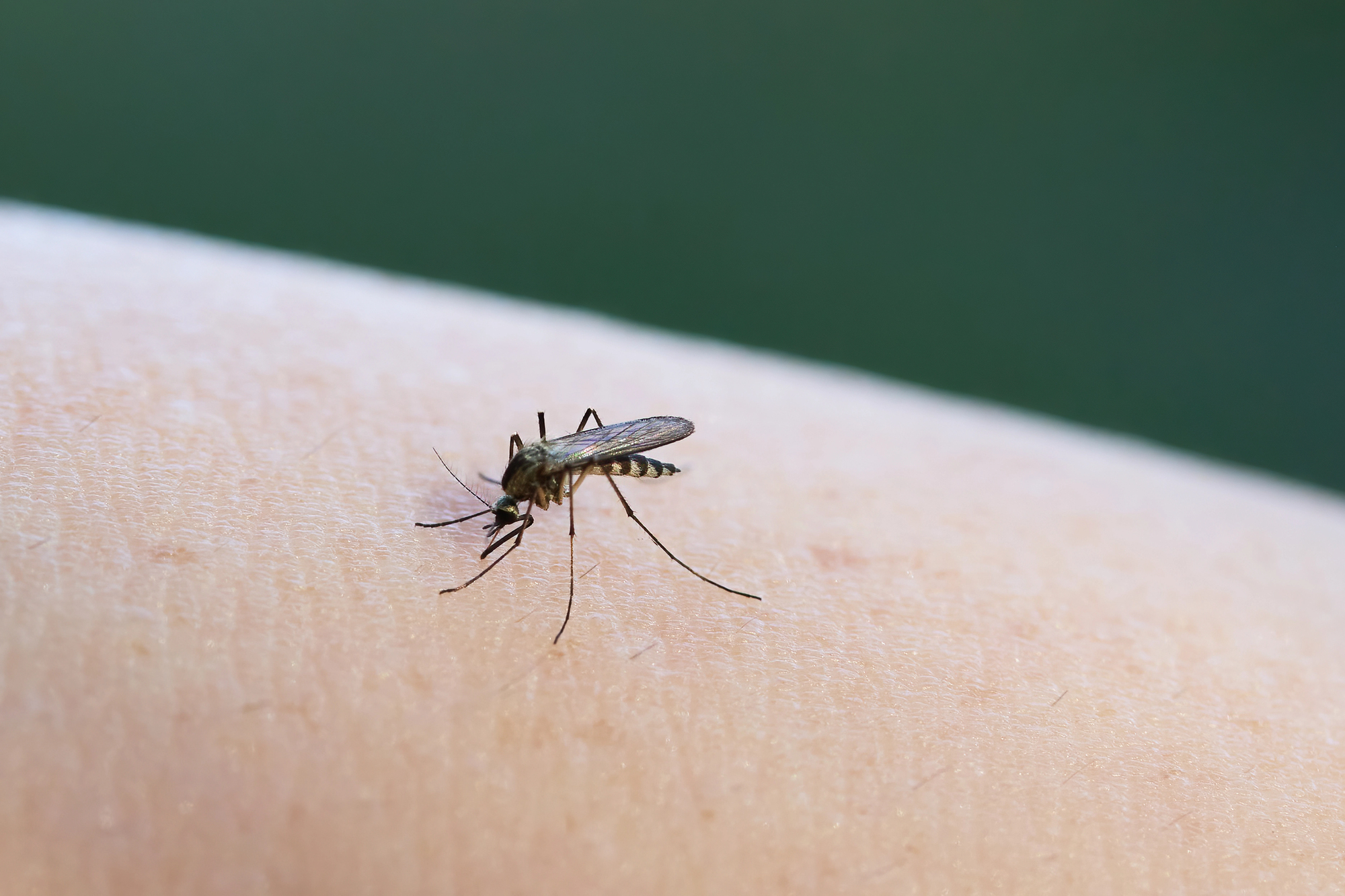
Recent research has shed light on the factors that influence mosquito attraction, revealing that certain individuals are indeed more appealing to these pests than others. Conducted by researchers from Sweden and France, the study focuses on the multi-stage sensory scanning process that female mosquitoes use to identify their targets.
The initial trigger for mosquitoes is carbon dioxide (CO2), which they can detect from several meters away. This signal prompts them to approach potential hosts. Once within approximately 10 meters, the mosquitoes begin to rely on odor cues, which further enhance their attraction to specific individuals. As they close in, body heat and humidity also play significant roles in their final targeting process.
Researchers identified 27 specific compounds that mosquitoes, particularly the Aedes aegypti species known for transmitting diseases like dengue and yellow fever, use to hone in on people. One of the most influential compounds is 1-octen-3-ol, commonly referred to as mushroom alcohol. This compound is produced during the breakdown of sebum, the oil secreted by human skin. Interestingly, pregnant women in their second trimester were found to emit higher levels of this compound, making them more attractive to mosquitoes.
Contrary to popular belief, factors such as blood type, skin color, and hair color do not significantly influence mosquito attraction. Instead, the microbial ecosystem on an individual’s skin, which varies from person to person, plays a crucial role in shaping their unique odor profile. This explains why two people in the same environment may experience differing levels of mosquito bites.
Additionally, the study highlights that consuming beer can increase one’s attractiveness to mosquitoes. Drinking beer raises body temperature, boosts exhaled CO2 levels, and alters skin odor, all of which are signals that mosquitoes monitor. Research in Burkina Faso and the Netherlands confirmed that individuals who had consumed beer were more appealing to malaria-carrying Anopheles mosquitoes.
The urgency of this research is magnified by climate change, which is expanding the geographic range of disease-carrying mosquito species. The tiger mosquito, a known vector for the chikungunya virus, has recently been detected in new regions of Europe, including France. Understanding the specific compounds that attract mosquitoes can lead to more effective repellents and targeted advice for reducing the risk of bites. Current recommendations include wearing loose-fitting clothing, using mosquito nets, applying repellent, and moderating alcohol consumption when mosquitoes are most active.
Check out the original article here: Source link