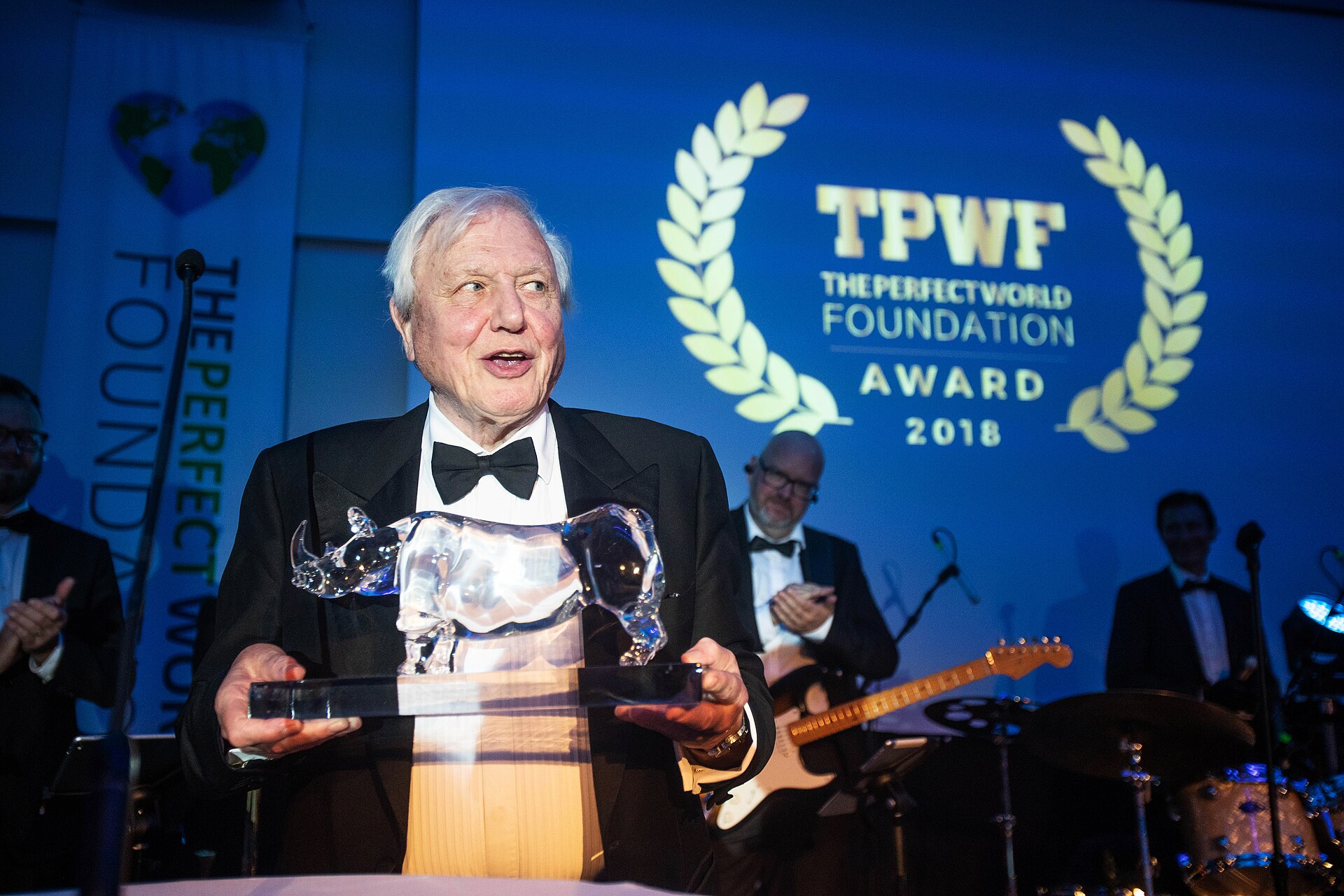
Image Credit: Danielwilke1, CC BY-SA 4.0 , via Wikimedia Commons
Sir David Attenborough celebrated his 100th birthday on May 8, marking a remarkable century of contributions to natural history and environmental awareness. His longevity has sparked interest in his lifestyle choices and practices that may have contributed to his vibrant health.
Attenborough emphasizes the importance of spending time in nature as a means of enhancing well-being. He suggests a simple practice: find a natural setting, sit quietly, and observe for 10 minutes. This mindfulness exercise encourages individuals to slow down and appreciate the environment, potentially leading to a sense of joy and wonder. His approach aligns with findings from longevity research, which indicates that lifestyle and environmental factors significantly influence overall health and longevity.
Research from Harvard Medical School indicates that approximately 75% of the variation in human lifespan is attributable to lifestyle choices and environmental conditions, rather than genetics. Studies have shown a strong correlation between happiness, well-being, and increased life expectancy. Those who regularly experience awe—often sparked by nature—tend to enjoy better health outcomes, including lower inflammatory markers and improved mood.
In a world dominated by the longevity industry, which often promotes complex health protocols and treatments, Attenborough’s recommendation stands out for its simplicity. Rather than relying on supplements or advanced therapies, he advocates for a mindful connection with nature as a pathway to improved mental and physical health.
As communities worldwide seek ways to enhance their quality of life, Attenborough’s advice to engage with the natural world offers an accessible and meaningful strategy for fostering well-being and potentially extending lifespan.
Check out the original article here: Source link