Image Credit: tonporkasa/123rf.com
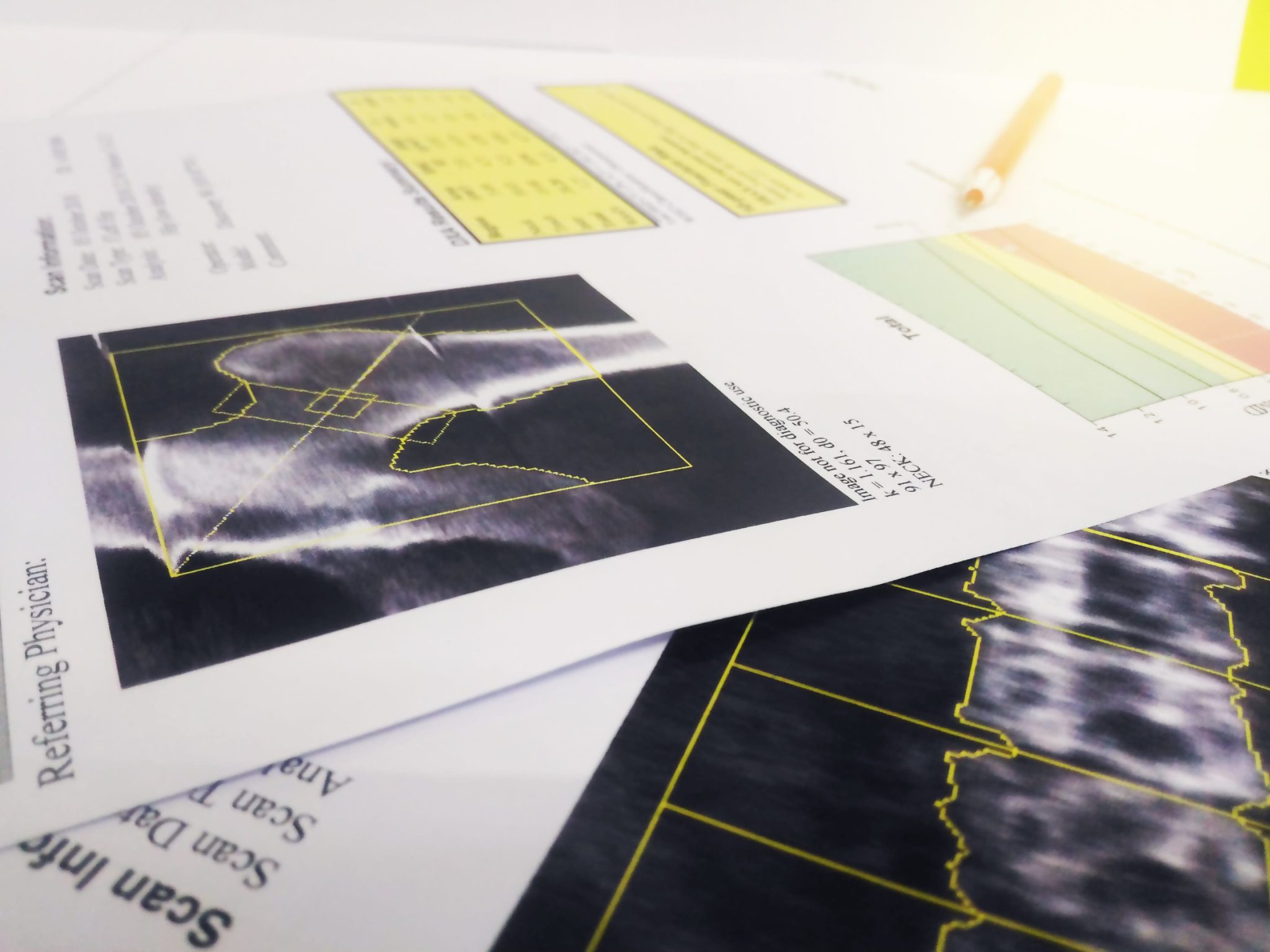
A recent study presented at the 2026 American Academy of Orthopaedic Surgeons annual meeting has sparked discussion regarding the use of GLP-1 medications among adults with type 2 diabetes and obesity. The study, which involved nearly 147,000 participants, found a correlation between GLP-1 usage and increased rates of osteoporosis, osteomalacia, and gout. However, it’s important to note that the study has not yet undergone peer review and is observational in nature, meaning it identifies a potential relationship but does not establish a direct cause-and-effect link.
The research did not account for various factors that influence bone health, such as exercise habits, nutritional intake, and family history. Furthermore, it assumed that all individuals prescribed GLP-1s were actually taking the medication, which may not be accurate due to issues like cost and supply constraints.
Experts suggest that while observational studies can indicate potential relationships, they cannot definitively conclude that a medication causes specific health outcomes. Current evidence does not support the notion that GLP-1s directly lead to bone loss. Instead, significant and rapid weight loss, often associated with GLP-1 usage, may be a contributing factor to changes in bone density. When weight is lost quickly, it reduces the load on bones, which can affect bone formation over time.
For individuals currently taking GLP-1s or considering them, maintaining bone health is crucial. Practical strategies include focusing on strength training, which has been shown to improve bone density. Engaging in resistance exercises two to three times per week can help mitigate muscle loss that may occur with rapid weight loss.
Adequate protein intake is also essential for building and maintaining bone mass. Current recommendations suggest adults consume 0.8 grams of protein per kilogram of body weight daily, with a slight increase for older adults and postmenopausal women to reduce the risk of bone loss.
Gradual weight loss is advisable, targeting a reduction of five to ten percent of total body weight over six months, which equates to approximately 0.5 to 2 pounds per week. If GLP-1 medication results in faster weight loss, adjustments to the dosage can be made in consultation with a healthcare provider.
In addition to these strategies, ensuring sufficient overall calorie intake is vital, as appetite suppression from GLP-1s can lead to inadequate nutrition. Monitoring bone health during weight loss is important, and individuals are encouraged to discuss any concerns with their doctors, particularly those with expertise in obesity medicine.
Check out the original article here: Source link