Decades after conflicts left a legacy of landmines in Southeast Asia, efforts continue to clear these dangerous remnants, particularly in Cambodia, where over one million people live on contaminated land. The United Nations highlights the ongoing risks posed by landmines and unexploded ordnance, underscoring the urgency of effective removal methods.
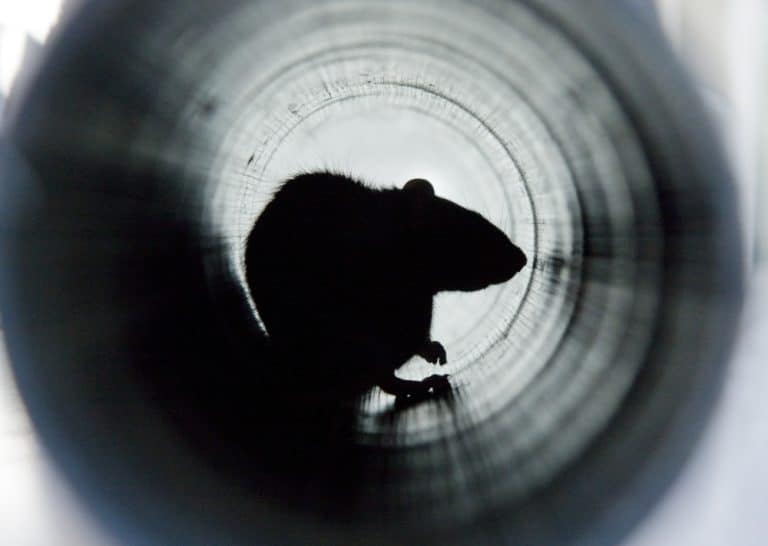
One innovative approach has involved the training of African giant pouched rats through the Belgian charity Apopo’s HeroRATS program. Among the most notable of these was Magawa, a rat trained to detect landmines, who arrived in Cambodia in 2016. Over five years, Magawa became the most successful landmine-sniffing rat in the program’s history, detecting 100 landmines and clearing more than 1.5 million square feet of hazardous land for safe use. His ability to swiftly and accurately identify landmines—able to survey an area the size of a tennis court in just 20 minutes—has proven indispensable in the field, as his small size allows him to traverse risky terrain without triggering mines.
In recognition of his contributions, Magawa was awarded the UK’s People’s Dispensary for Sick Animals Gold Medal in 2020, marking him as the first rat to receive this prestigious honor. Following his retirement, Magawa passed away in 2022, leaving behind a legacy of bravery and service in the fight against landmines.
To commemorate Magawa’s impact, a bronze statue was unveiled in Cambodia recently, coinciding with the International Day for Mine Awareness. This statue stands as the world’s first monument dedicated to a landmine-detecting rat, symbolizing hope and resilience in the ongoing battle against landmines. Apopo emphasized that while Magawa has passed, the work of trained HeroRATs continues, highlighting the persistent landmine crisis that still affects many communities.
The HeroRATS program utilizes the unique capabilities of African giant pouched rats, which possess an acute sense of smell and a lightweight physique that prevents them from triggering landmines. These trained animals are able to navigate various terrains more efficiently than traditional detection methods, including metal detectors and trained dogs. The program has been instrumental in restoring access to land that had been deemed unsafe due to landmines, providing communities with the opportunity to reclaim their environment.
Magawa’s statue serves not only as a tribute to his contributions but also as a reminder of the ongoing efforts required to address the landmine crisis in Cambodia and beyond.
Check out the original article here: Source link