Image Credit: welcomia/123rf.com
In an innovative conservation effort, giant sequoia saplings grown from clones of ancient trees are being planted in Detroit, marking a significant step in preserving these iconic trees threatened by climate change and wildfires in California. Volunteers from the Archangel Ancient Tree Archive, in collaboration with Arboretum Detroit, are introducing hundreds of these saplings to vacant lots and underutilized spaces throughout the city.
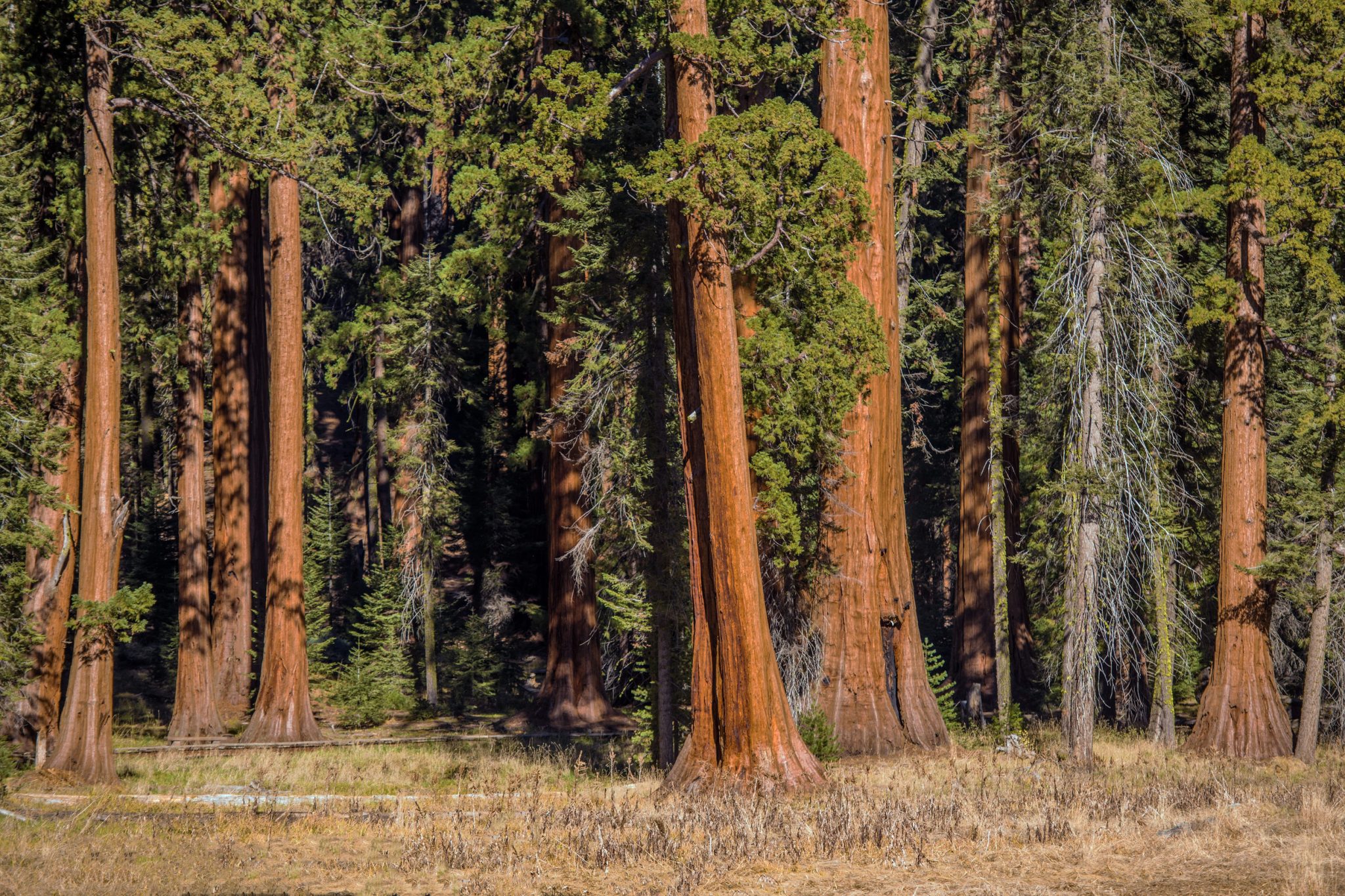
Giant sequoias, which can exceed 300 feet in height and live for over 3,000 years, have faced unprecedented challenges in their native California. Recent wildfires have devastated several historic groves, leading conservationists to explore new strategies for preserving these majestic trees. Cloning selected trees, such as the renowned Amos Alonzo Stagg tree, allows for the preservation of their genetic material in different climates, ensuring that their lineage can survive despite the ongoing threats to their original habitats.
Detroit was chosen as the pilot city for this ambitious project due to its abundance of vacant land. The initiative aims not only to enhance the city’s green spaces but also to contribute to environmental health by filtering air pollution and sequestering carbon. As these sequoia saplings mature, they will play a role in expanding the urban tree canopy, providing shade and improving the overall ecosystem within the city.
The cloning process utilized by Archangel Ancient Tree Archive emphasizes the importance of preserving the genetic traits of resilient, ancient trees. By propagating clones rather than planting seeds, the project maintains the specific characteristics that have enabled these trees to withstand thousands of years of environmental stressors, including drought, fire, and disease.
While many of the saplings currently being planted are small enough to fit in the palm of a hand, the long-term impact of this initiative could be profound. As these trees grow, they will serve as a living testament to conservation efforts and the resilience of nature, potentially thriving long after the challenges faced by their original groves have intensified.
Check out the original article here: Source link