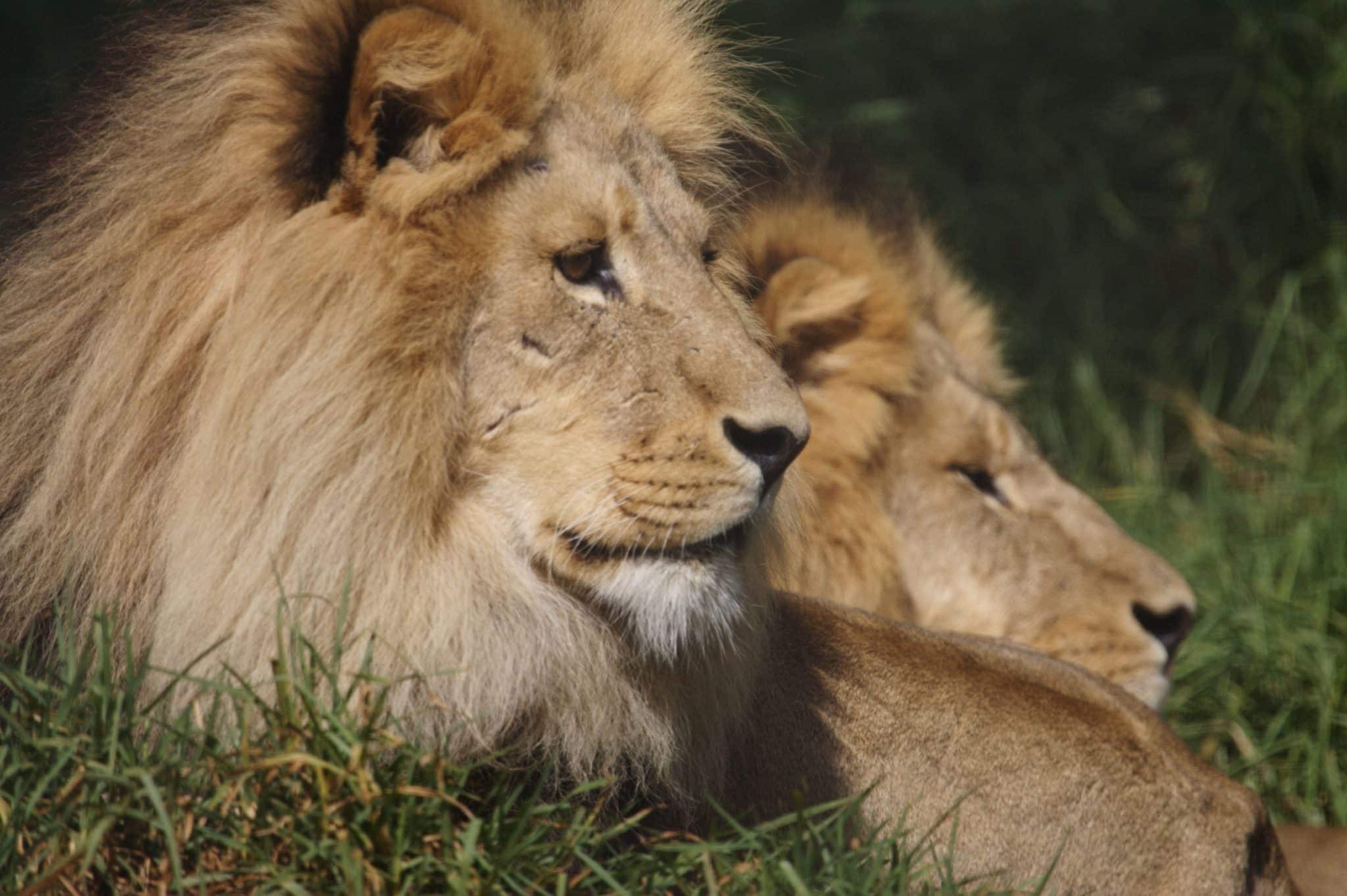
Image Credit: kitch/123rf.com
In a landmark case in Zimbabwe, two individuals have been sentenced to two years in prison for poaching and trafficking a male lion whose DNA was used as key evidence in the prosecution. This conviction marks the first time in history that a lion’s DNA has been utilized to identify and convict wildlife criminals, setting a significant precedent for future cases.
The male lion, fitted with a radio collar by conservation biologists near Hwange National Park, was part of a study aimed at tracking his movements and health. In February, authorities seized three bags of lion meat, 16 claws, and four teeth destined for the black market. The Victoria Falls Wildlife Trust, in collaboration with the U.K.-based NGOs TRAFFIC and TRACE, successfully extracted a full DNA profile from the seized items and matched it to the lion’s stored genetic material, conclusively linking the poached parts to the wild animal.
Prosecutors faced challenges in proving that the seized parts originated from a wild lion rather than a legally traded captive one, as Zimbabwe allows the trade of lion parts with appropriate permits. However, the lack of permits possessed by the defendants, combined with the DNA match, provided the necessary evidence for a conviction.
The case highlights the advancement of DNA forensic techniques since their inception in the 1980s. Recent developments in genetic analysis and the establishment of species-level DNA databases have improved the capability to trace samples back to specific animals, enhancing wildlife trafficking prosecutions. Historically, these cases have relied on circumstantial evidence, making convictions difficult to achieve.
African lions are among the most trafficked wild cats, with their parts sought for traditional medicine and cultural practices. The population of wild lions has dramatically decreased over the last century, with fewer than 25,000 remaining in Africa today. Poaching poses an existential threat to the species, exacerbated by the killing of pride males, which can lead to increased mortality among cubs.
The implications of this conviction extend beyond Zimbabwe, as a similar lion poaching case utilizing DNA fingerprinting is currently underway in South Africa. This development is expected to influence law enforcement strategies in wildlife trafficking, particularly as DNA databases continue to grow across southern Africa. The ongoing expansion of forensic capabilities may lead to more successful prosecutions and serve as a deterrent to poachers.
Check out the original article here: Source link