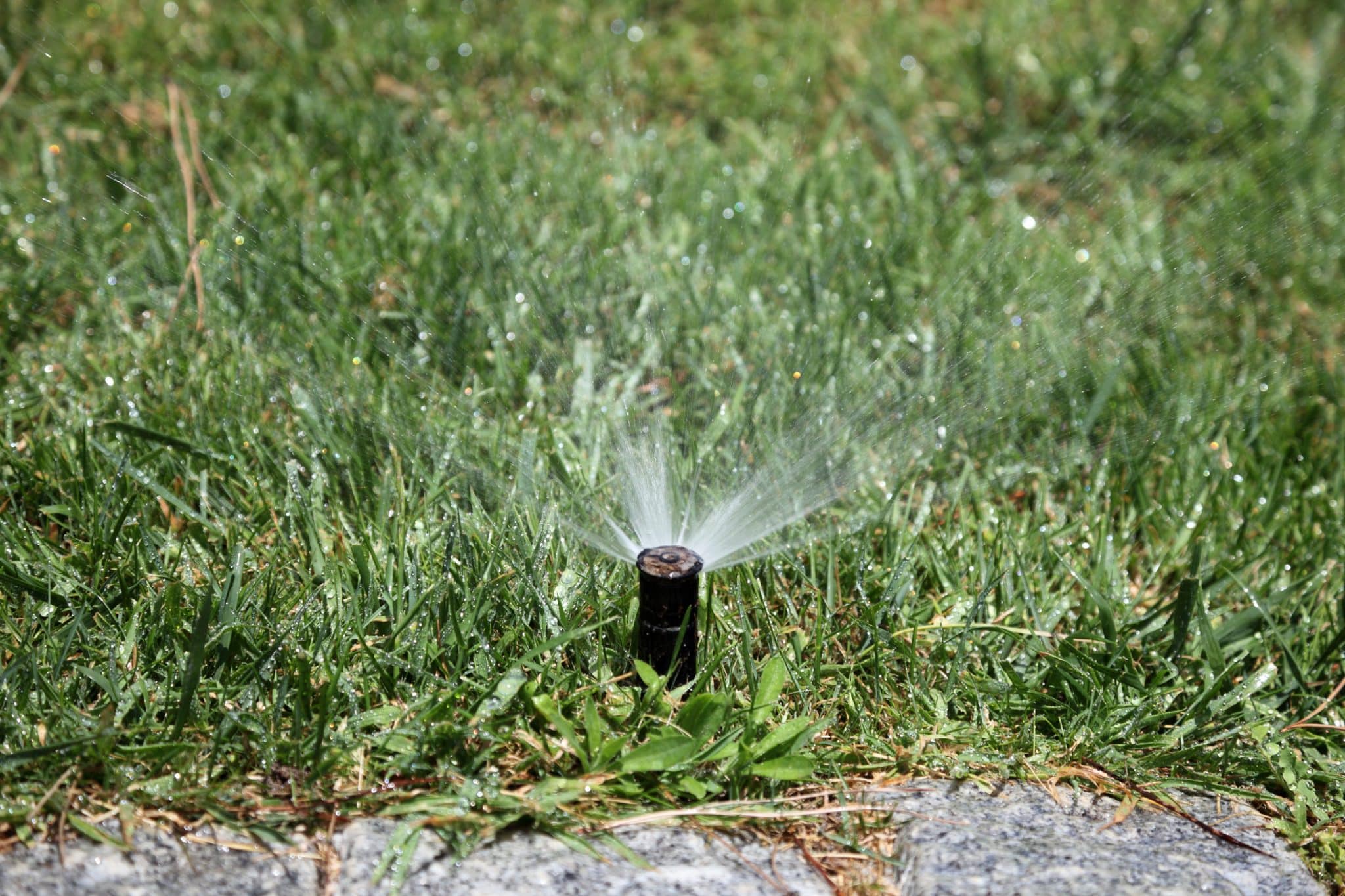
Image Credit: philipus/123rf.com
As spring arrives, homeowners are frequently tempted to activate their irrigation systems. However, experts advise caution, emphasizing the importance of waiting until the right conditions are met to prevent damage to plumbing and ensure efficient watering.
The timing for turning on sprinkler systems is not dictated by the calendar but by temperature trends. Plumber Robert Schwachenwald recommends waiting until daytime and nighttime temperatures consistently remain above freezing. Specifically, he suggests waiting until nighttime temperatures have been over 40 degrees Fahrenheit for at least ten consecutive days to avoid freezing issues that can crack pipes and valves.
In addition to temperature, the condition of the soil is crucial. Residential plumbing expert Megan Doser notes that even if the weather appears favorable, the ground may still be frozen beneath the surface. A practical test involves checking if the soil is soft enough to dig into easily with a shovel. If the soil is still hard or icy, it is best to delay turning on the system.
Homeowners can also use their region’s average last frost date as a guideline. This date typically falls in March or April for much of the continental United States. Activating the system around this time generally indicates that the ground has thawed adequately, reducing the risk of overnight freezes that could damage plumbing.
Turning on sprinkler systems prematurely can lead to severe complications, including frozen or burst pipes, which can result in costly repairs and potential flooding. Additionally, damage to the backflow preventer—often one of the most vulnerable components—can occur if water freezes inside it. Other consequences of early activation include unnecessary wear and tear on the system and potential water waste, as early spring soil is often saturated from melting snow and rain.
To safely restart an irrigation system, experts recommend a gradual approach. Homeowners should slowly open the main water valve and inspect each zone manually. It’s important to monitor for leaks and ensure that sprinkler heads are functioning correctly before programming a watering schedule.
By taking these precautions, homeowners can protect their landscaping and plumbing systems while ensuring that their irrigation efforts are effective when their lawns truly need it.
Check out the original article here: Source link