Image Credit: mem75/123rf.com
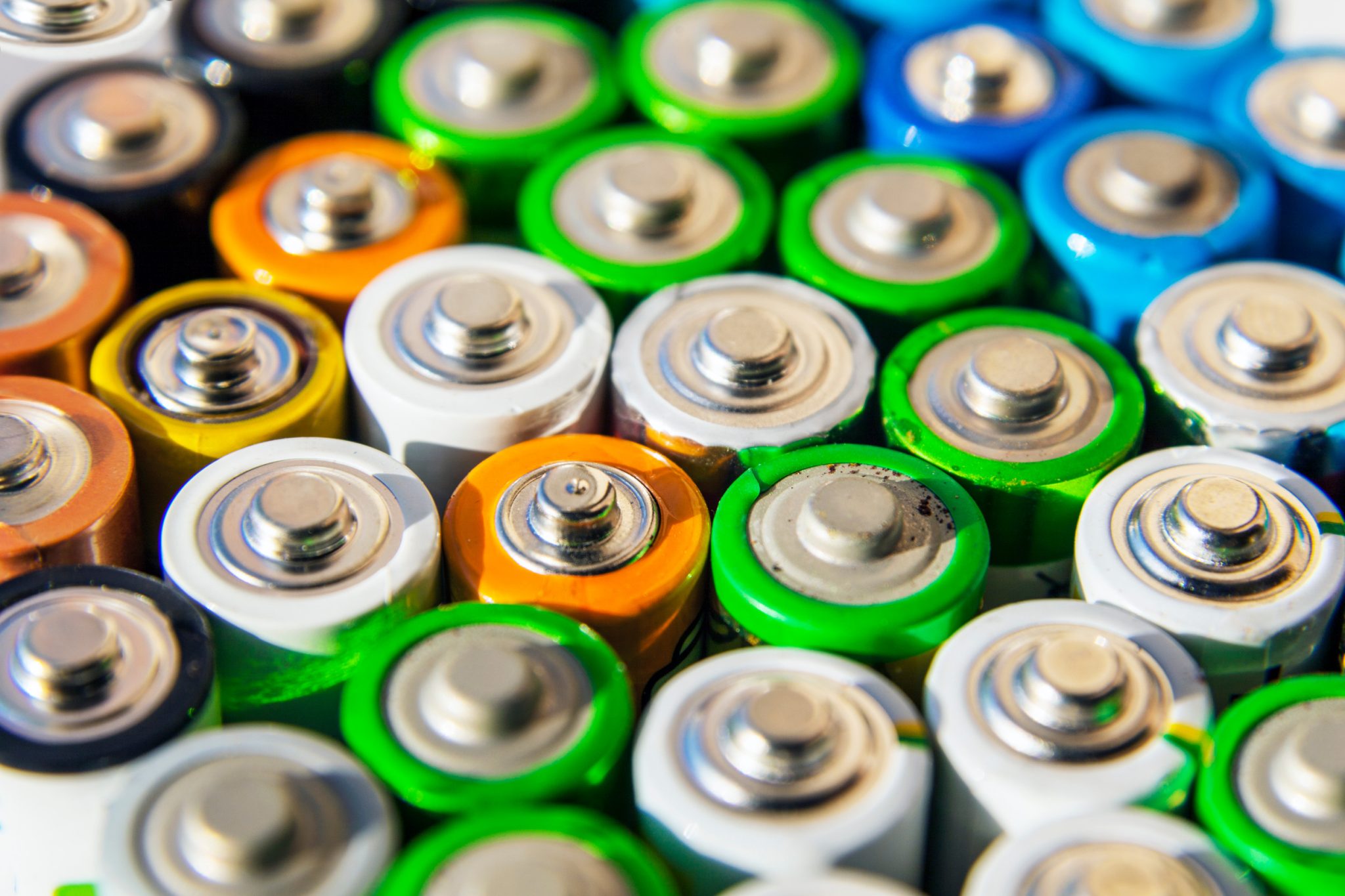
The increasing reliance on batteries in daily life has raised concerns regarding their disposal and recycling. With approximately five billion batteries sold annually in the United States, only about 10% are currently recycled. This low recycling rate poses environmental risks as many batteries contain hazardous materials that can contaminate soil and water if disposed of improperly.
Batteries, including common household types like AA and AAA, as well as rechargeable variants, contain metals such as cobalt, nickel, and manganese, which are crucial to the production of new batteries. Effective recycling can help reduce the need for raw material mining, which is often linked to environmental degradation and human rights abuses, particularly in regions like the Democratic Republic of Congo and the lithium triangle in South America.
Recycling regulations vary significantly across the U.S. In states like California, batteries are classified as hazardous waste, and residents are encouraged to use designated disposal methods. For example, in San Francisco, residents can place used batteries in sealed bags on top of their landfill bins, while larger buildings can request special collection buckets. Residents are advised to check local regulations to determine the appropriate disposal methods in their areas.
Different types of batteries require distinct recycling processes. Alkaline batteries are typically shredded to recover metals and other materials, while rechargeable batteries, which are commonly found in electronics, are often collected through mail-in or drop-off programs. Many retailers offer battery recycling services, but policies differ, so it’s advisable to verify acceptance before visiting.
Vehicle and electric vehicle (EV) batteries are also recyclable and are increasingly being reimagined for secondary uses after their initial lifecycle. Research into enhancing battery life and performance is ongoing, with promising developments aimed at making batteries more efficient and environmentally friendly.
To facilitate proper disposal, individuals can contact local waste management authorities or utilize online resources like Earth911 to find nearby recycling sites. Preparing batteries for recycling involves safely taping terminals and storing them in non-conductive containers to prevent any risk of sparks during transit.
As battery usage continues to grow, raising awareness about proper recycling practices is essential for environmental sustainability and resource conservation.
Check out the original article here: Source link