Image Credit: wrangel/123rf.com
In a significant advancement for marine conservation, over 185 countries have reached an agreement to enhance protections for 70 species of endangered sharks and rays. This pivotal decision was made during the 20th conference of the Convention on International Trade in Endangered Species of Wild Fauna and Flora (CITES) held in Samarkand, Uzbekistan. The new regulations aim to address the unsustainable fishing practices that have contributed to the decline of these marine species, with implementation expected within the next three to 18 months.
The expanded protections are seen as a crucial step in rectifying years of oversight. Unlike whales and turtles, which have benefitted from international safeguards for more than four decades, sharks and rays have only recently begun to receive focused attention. Many of these species have experienced drastic population declines due to overfishing and global demand for their fins, liver oil, and gill plates.
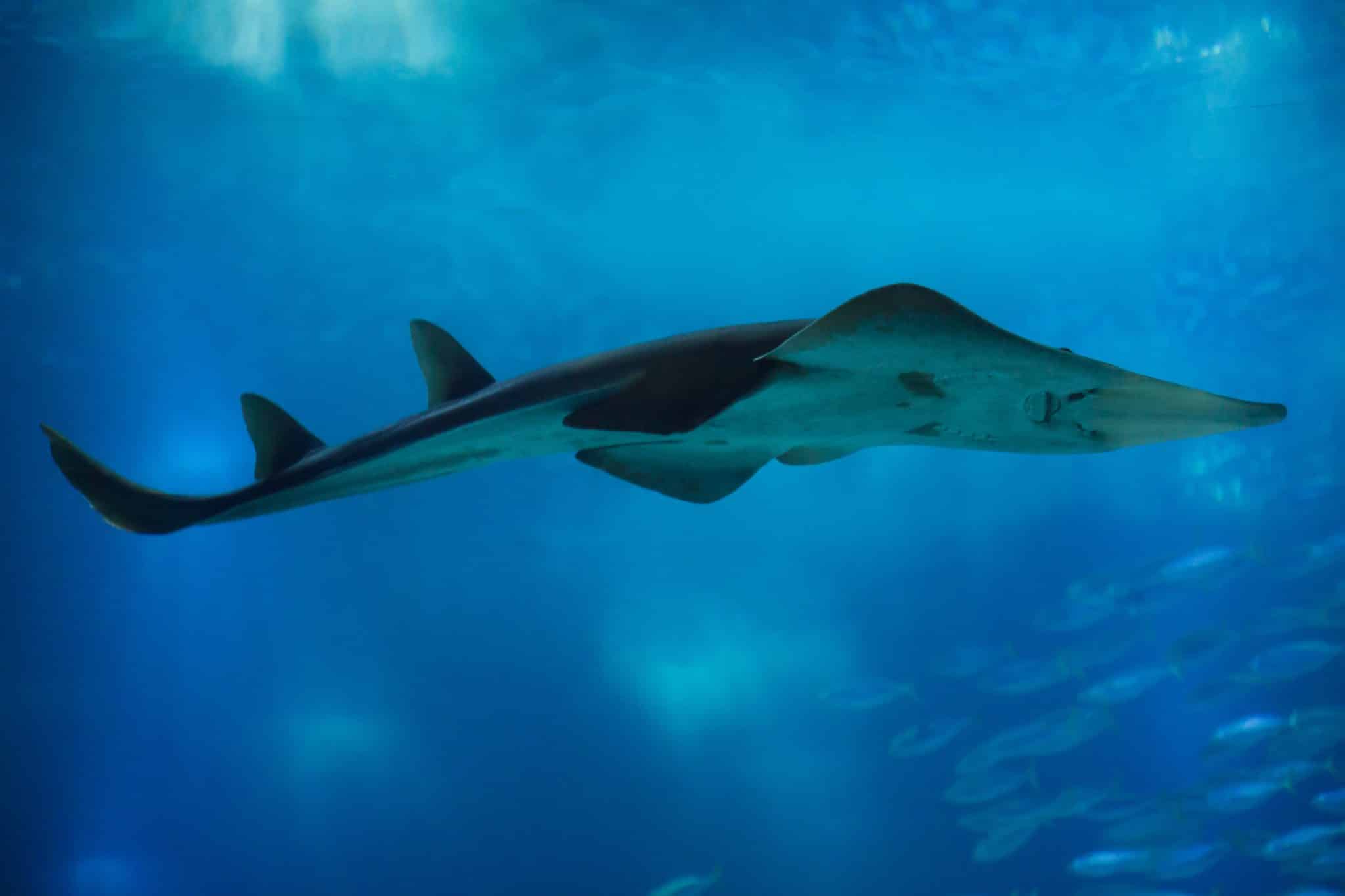
Each of the 70 species now classified under CITES has been targeted for specific reasons. For example, wedgefish and similar guitarfish are frequently harvested for shark fin soup, a delicacy that perpetuates illegal fishing practices. Gulper sharks are sought after for their liver oil, which is used in various cosmetic and health products. Additionally, rays are threatened as their gill plates are utilized in traditional medicine in parts of Asia.
The biological traits of these species, including slow growth rates and delayed maturation, contribute to their vulnerability and make recovery more challenging. The new CITES framework does not impose an outright ban on trade but instead strengthens regulations to ensure that the international trade of shark and ray products is both legal and sustainable. The species are categorized into a tiered system of appendices:
– **Appendix I** includes endangered species, prohibiting all commercial international trade. Recent additions to this list are the whale shark, oceanic white tip shark, and manta rays.
– **Appendix II** covers species that are not necessarily endangered but require regulated trade to prevent future risk. This now includes gulper sharks, smooth-hound sharks, and guitarfish.
Under the updated listings, countries are required to verify the origin of traded products, ensuring they come from populations that are not adversely affected by commercial exploitation.
Conservationists and marine scientists consider this agreement a watershed moment for ocean health. Sharks and rays play a vital role in maintaining the balance of marine ecosystems by regulating prey populations and supporting biodiversity. Their decline can trigger chain reactions that adversely affect fisheries and coastal communities.
While challenges in monitoring and tracking trade routes persist, experts believe this agreement represents a significant move forward in conservation efforts. It is hoped that through global collaboration and enhanced transparency, some of the most threatened marine animals will have a better chance for survival in the future.
Check out the original article here: Source link