Image Credit: yggdrasill/123rf.com
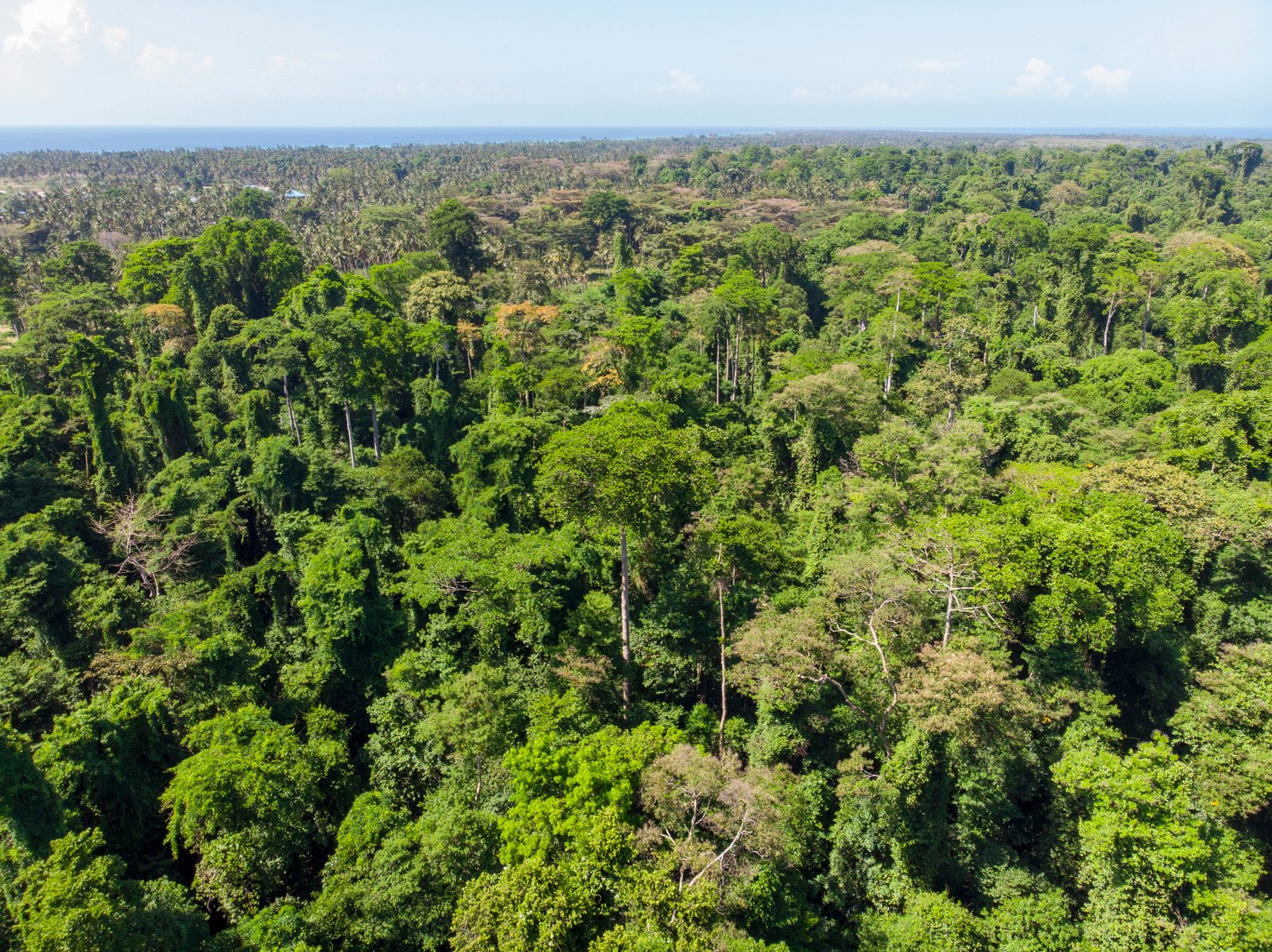
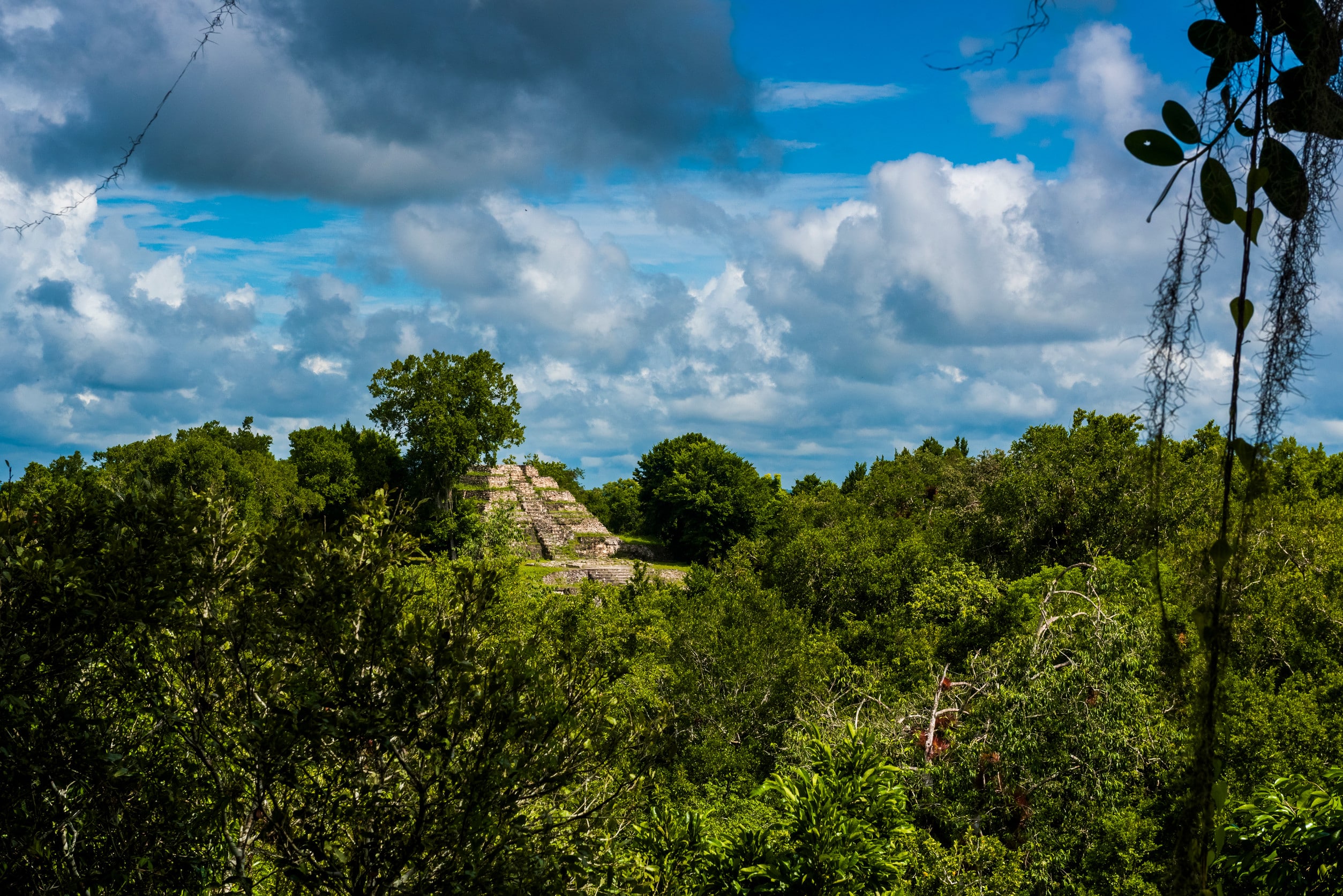
On August 15, Mexico, Guatemala, and Belize announced the establishment of the Great Mayan Jungle Biocultural Corridor, a significant transnational initiative aimed at protecting one of the world’s most vital tropical forests. Spanning over 14 million acres across southern Mexico and northern Central America, this reserve is set to become the second largest in the Americas, following the Amazon.
The primary objectives of the corridor are to curb deforestation, combat organized crime, and safeguard Indigenous lands from encroachment by ranchers, miners, and loggers. However, officials recognize that achieving these goals will require a multifaceted approach that balances environmental conservation with the socio-economic realities faced by local communities.
Guatemala’s Environment Minister has highlighted the necessity of a security presence to reclaim territory that has been largely abandoned to criminal activities. With illegal logging, drug trafficking, and human smuggling posing serious threats to the region, both Mexico and Guatemala have acknowledged that law enforcement efforts must be coupled with community engagement to foster sustainable alternatives to illicit activities.
One key aspect of the initiative involves transforming local communities into allies of conservation efforts. Programs such as Mexico’s “Sowing Life,” which compensates landowners for reforestation, are being considered for expansion. While this program has faced criticism for incentivizing deforestation in certain areas, reforms are underway to better align it with conservation goals.
The corridor will also be protected from potentially harmful megaprojects that could undermine conservation efforts. Guatemala’s government has already taken steps to avoid renewing contracts with oil companies operating in environmentally sensitive regions. The involvement of a governing council made up of environmental authorities and an Indigenous advisory council will ensure that any proposed projects within the reserve undergo thorough scrutiny.
The three countries are collaborating to design a comprehensive roadmap for the corridor, with an initial funding estimate of $6 million aimed at launching the initiative. Guatemala is contributing the most land, incorporating 27 existing protected areas into the corridor, while Belize has expressed interest in collaboration, albeit with caution regarding infrastructure projects that could impact conservation.
If successful, the Great Mayan Jungle Biocultural Corridor could redefine conservation efforts in the Americas by demonstrating that effective solutions to climate change and biodiversity loss require the involvement of local communities and regional cooperation. The initiative stands as a hopeful reminder of the potential for collaborative environmental stewardship in one of the planet’s richest ecosystems.
Check out the original article here: Source link