Image Credit: passakornum/123rf.com
In a groundbreaking approach to nerve repair, researchers at the University of Oxford are harnessing the remarkable properties of spider silk to create a new surgical device aimed at bridging gaps in severed nerves. This innovative method, developed by Dr. Alex Woods, a trauma and orthopaedic surgeon and co-founder of the start-up Newrotex, could potentially revolutionize treatments for nerve injuries that pose significant challenges in modern medicine.
Traditionally, when a nerve is severed, the body attempts to repair itself by forming a temporary scaffold. However, this scaffold typically lasts only around 10 days, which is insufficient for larger gaps. With nerves regenerating at approximately one millimeter per day, gaps exceeding one centimeter become problematic, as the natural support structure often breaks down before the nerve can successfully bridge the injury.
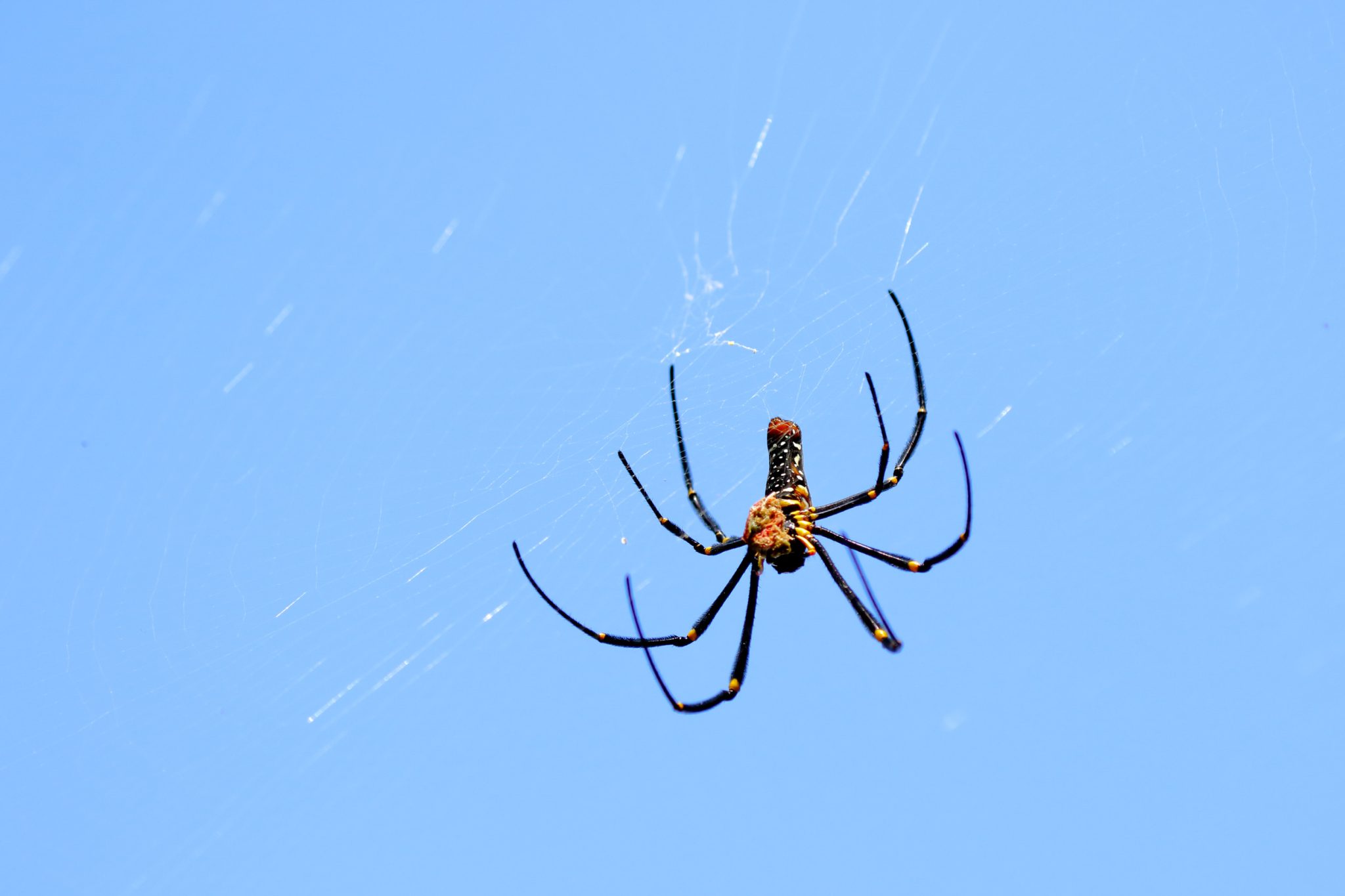
The researchers are focusing on drag-line silk from golden orb-web spiders, native to Madagascar, which can sustain itself for up to 150 days. This extended duration allows for a more effective scaffold for nerve regeneration. The spider silk is implanted within a vein or conduit, providing a durable guide for nerves to grow along as they heal. The silk gradually degrades in the body, eliminating the need for a permanent implant.
Current methods for nerve repair often require grafting nerves from other parts of the patient’s body, which can lead to additional complications, including lasting numbness and the formation of a second injury site. The silk-based alternative presents a compelling solution by potentially reducing the need for such procedures and their associated risks.
In addition to trauma-related injuries, this innovative technique could be applicable in various surgical specialties where nerve damage is a concern, such as during mastectomies or prostate cancer surgeries. Dr. Woods emphasizes the broad potential of this approach to address nerve injuries across multiple medical fields.
Currently, the spider silk device is undergoing its first-in-human study in Panama to evaluate its safety, with plans for further trials in the UK and the US. While there are significant regulatory and manufacturing hurdles to overcome, the potential for spider silk to transition from a natural wonder to a vital medical tool is an exciting prospect for the future of nerve repair.
Check out the original article here: Source link