Image Credit: larisikstefania/123rf.com
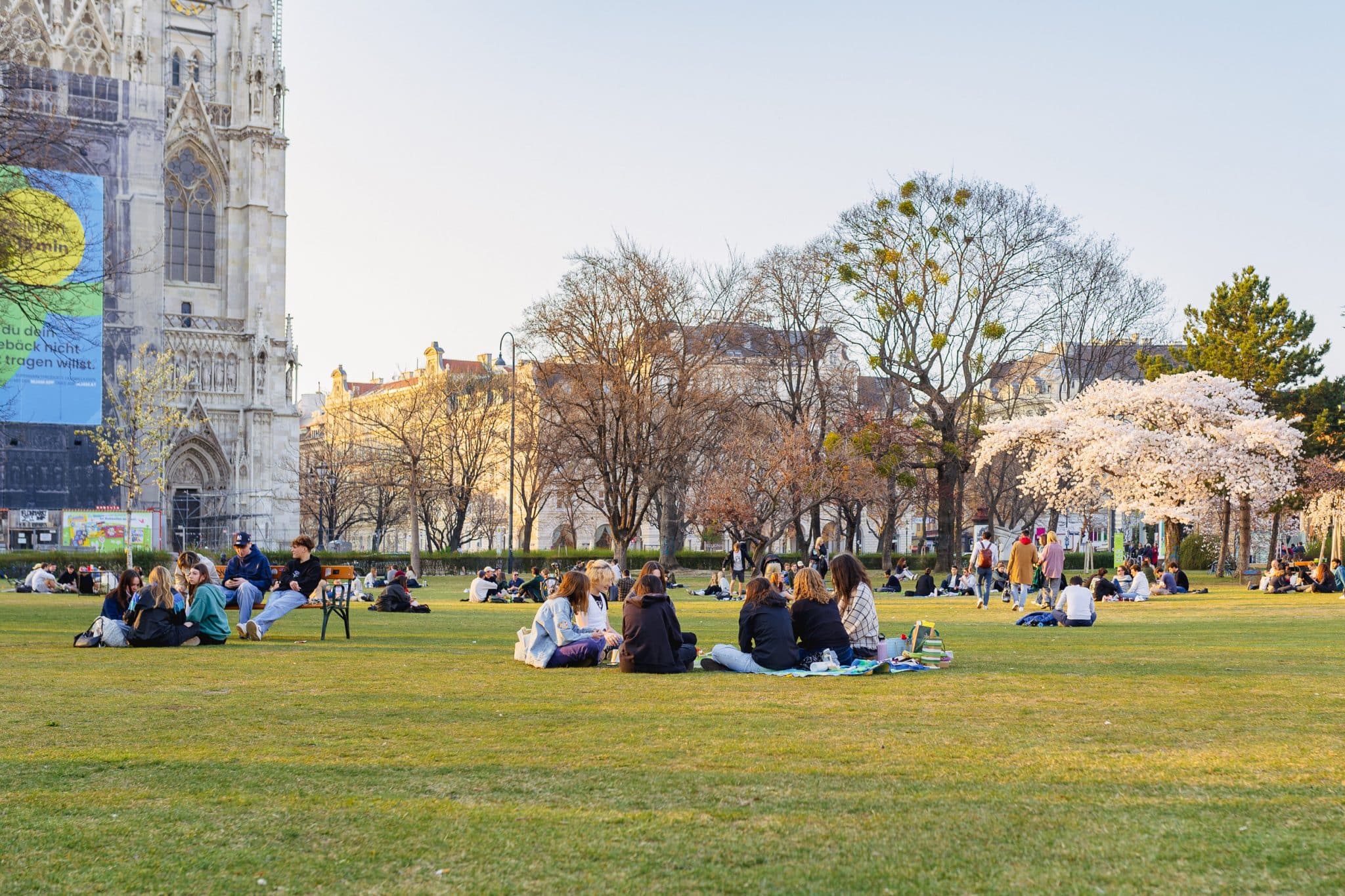
Vienna is making significant strides in urban planning by removing street parking in favor of green spaces and pedestrian-friendly areas. This innovative approach comes as cities worldwide grapple with climate change and the need for sustainable urban environments.
In a bold shift, the Austrian capital has initiated over 350 projects aimed at replacing parking spots with public amenities such as trees, benches, and bike lanes. Notable transformations include the historic Neuer Markt square, which has been redesigned to prioritize pedestrians over vehicles. A major street has been converted into a Dutch-style cycling corridor, replacing 140 parking spaces with nearly a mile of bike lanes and greenery.
To further support this initiative, Vienna has implemented a city-wide policy requiring payment for all street parking, with a strict two-hour limit for non-residents. This move aims to discourage unnecessary car use while generating revenue. The funds collected from parking fees, estimated to be around €180 million ($209 million) annually, are reinvested into cycling infrastructure and public transportation enhancements.
The success of Vienna’s strategy hinges on providing viable alternatives to car travel. The city has heavily invested in a reliable and affordable public transit system, which includes “park and ride” garages that allow commuters to leave their vehicles outside the city center and connect easily to subways or trams. This infrastructure development has contributed to a 37 percent reduction in car usage since the 1990s.
While this progressive approach has garnered attention, it has not been without challenges. The transition from car-centric urban design to a more pedestrian-oriented model faces resistance, particularly in regions where car ownership is prevalent. However, cities across the globe, including Dallas and San Francisco, are also beginning to rethink their parking policies, with some converting parking lots into parks and outdoor gathering spaces.
Vienna’s efforts illustrate a growing recognition that urban spaces should cater to people rather than vehicles, emphasizing the importance of choices in transportation. By prioritizing green infrastructure and public spaces, the city aims to create a more enjoyable and sustainable living environment for all residents.
Check out the original article here: Source link