Image Credit: slowmotiongli/123rf.com
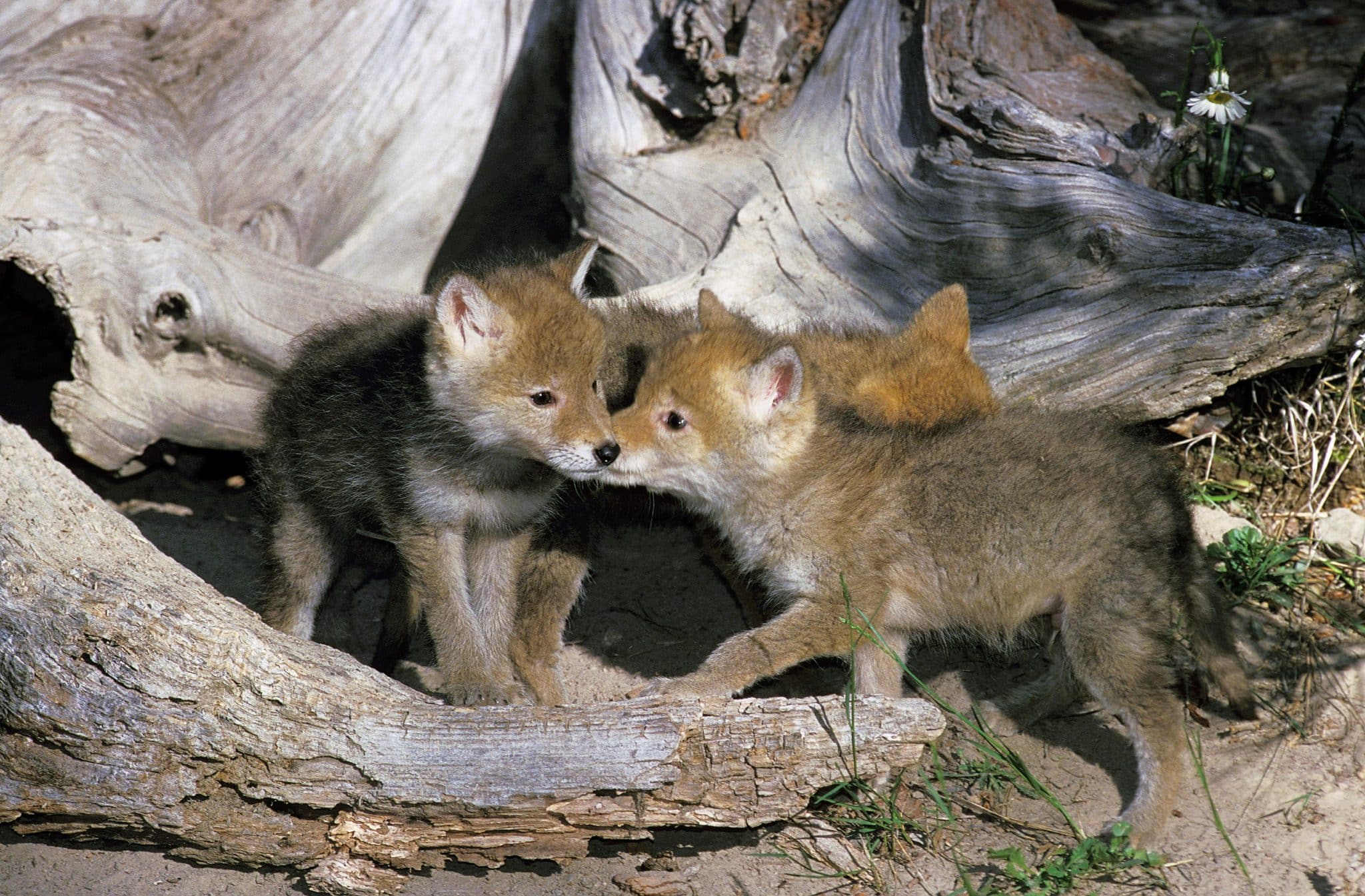
New research highlights the adaptability of urban coyotes, revealing their surprising presence in metropolitan areas like Atlanta. A study published in *Ecology and Evolution* tracked 48 coyotes equipped with GPS collars, uncovering 20 active dens within the city. Remarkably, most residents in these neighborhoods were unaware that coyotes were living and reproducing in such close proximity.
Researchers found that over half of the dens were located in natural structures, such as fallen tree trunks and existing burrows. Others utilized human-made materials, including discarded concrete and overturned boats. The coyotes chose den sites that provided strong shelter and visual cover, indicating a preference for locations away from human activity.
The study’s findings illustrate that these animals are skilled at avoiding human interaction. Coyotes typically live in packs of two to seven and are present in every U.S. state except Hawaii. Their pupping season varies by region, with litters typically consisting of two to nine pups. Despite their reputation as potential threats, coyotes play a crucial ecological role in urban environments, acting as top predators that help manage rodent populations and contribute to ecosystem balance.
The research also notes that while public fear of coyotes often exceeds the actual risks they pose, increased urbanization threatens their ability to find suitable den sites. As cities grow, the need for coexistence strategies becomes increasingly important. Residents are advised to keep pets leashed, avoid disturbing potential dens, and refrain from feeding coyotes.
This study underscores the resilience and intelligence of coyotes, as well as the importance of recognizing their role in urban ecosystems. The presence of these creatures in cities suggests a complex relationship between wildlife and urban development, emphasizing the need for ongoing research and understanding.
Check out the original article here: Source link