Image Credit: huertinadetoni/123rf.com
The kiwiberry, an ancient fruit scientifically known as Actinidia arguta, is gaining attention for its nutritional benefits and potential health properties. Once primarily cultivated for its ornamental flowers, the kiwiberry has recently transitioned to a focus on its fruit, which is now recognized for its nutritional value.
Originating from regions across Far East Russia, China, Korea, Japan, and Malaysia, the kiwiberry has been around for at least 25 million years, although it only gained commercial traction in the late 1990s in Oregon. Interest in the fruit has since expanded to countries like New Zealand, Chile, Italy, France, and Switzerland. The rebranding of the hardy kiwi to kiwiberry in the 2010s has played a significant role in shifting public perception of the fruit from a novelty item to a nutritional powerhouse.
One of the most distinctive features of the kiwiberry is that it is consumed whole, including its skin, which is where most of its health benefits lie. Research indicates that the skin contains significantly higher levels of phenolics, flavonoids, and vitamin C compared to the flesh. This characteristic allows consumers to access the most nutrient-dense part of the fruit without the need for peeling, unlike its larger cousin, the fuzzy kiwi.
Initial studies have uncovered a range of health benefits associated with kiwiberries, including antioxidant, anti-inflammatory, and potential antidiabetic and anti-obesity effects. Some research has even pointed to compounds within the fruit that may contribute to drug development for anti-aging and cancer treatments. Ongoing studies are continuing to explore the fruit’s anti-inflammatory properties and its potential role in managing type-2 diabetes.
Despite its health benefits, the kiwiberry vine is classified as invasive in parts of the northeastern United States. Its rapid growth can threaten local ecosystems by blocking sunlight and overpowering native vegetation. This adaptability, while problematic in certain environments, has also contributed to the fruit’s commercial viability.
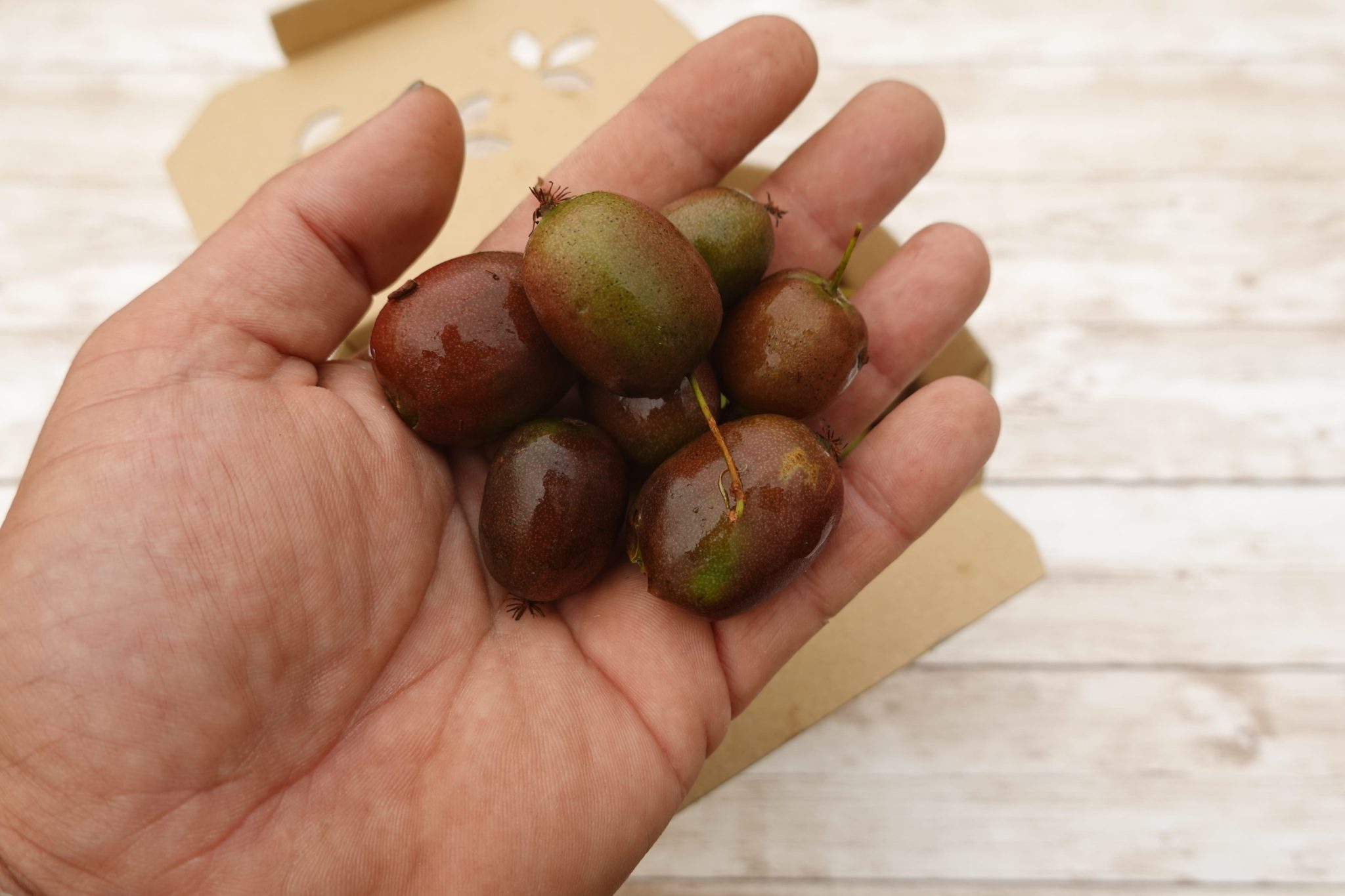
Currently, kiwiberries are seasonal and can be found in specialty grocery stores and farmers’ markets, particularly in the fall. They resemble elongated green grapes with smooth skin and, when ripe, are known for their soft, sweet, and mild flavor. Researchers are actively working on improving their shelf life and minimizing bruising, which may lead to increased availability in the future.
As scientific interest in the kiwiberry continues to grow, this ancient fruit may well be on the cusp of becoming a mainstream dietary option, highlighting the intersection between historical agriculture and modern nutritional science.
Check out the original article here: Source link