Image Credit: halfpoint/123rf.com
Recent research highlights the significant impact of engaging in various activities on healthy aging, emphasizing that lifestyle choices in midlife and beyond can enhance longevity and cognitive function. A diverse range of hobbies, from walking to learning new skills, has been shown to support both mental and physical health without the need for expensive gym memberships or specialized training.
Walking, often overlooked, is recognized as an effective means to boost brain health. Studies indicate that regular walking can increase brain volume and neuroplasticity, reducing the risk of age-related decline. Just 4,000 steps a day may be linked to a longer life, benefiting both mental and physical well-being.
For those seeking a challenge, trying new sports can stimulate cognitive function as individuals learn new physical skills. Engaging in sports can maintain cognitive abilities, particularly in areas vulnerable to aging, as demonstrated by older adults who took up track and field later in life.
Learning new languages also serves as an effective cognitive workout. Research shows that older adults who participate in language learning programs experience measurable cognitive benefits, reinforcing the idea that lifelong learning is crucial for brain health.
Hands-on creative hobbies like quilting and photography offer further cognitive advantages. Studies have shown that older adults who engage in these activities for several hours a week demonstrate improved memory and processing speed compared to those who do less demanding tasks.
Ongoing education, whether through formal courses or self-directed learning, keeps the brain active and engaged. Setting learning goals can provide motivation and mental stimulation, essential for cognitive health.
Additionally, teaching others is a powerful way to reinforce one’s own knowledge. The process of planning lessons and adapting material requires cognitive flexibility, which can enhance mental agility.
Juggling, often associated with circus skills, is another surprising activity linked to brain health. Research indicates that juggling promotes neuroplasticity, helping to create new connections in the brain.
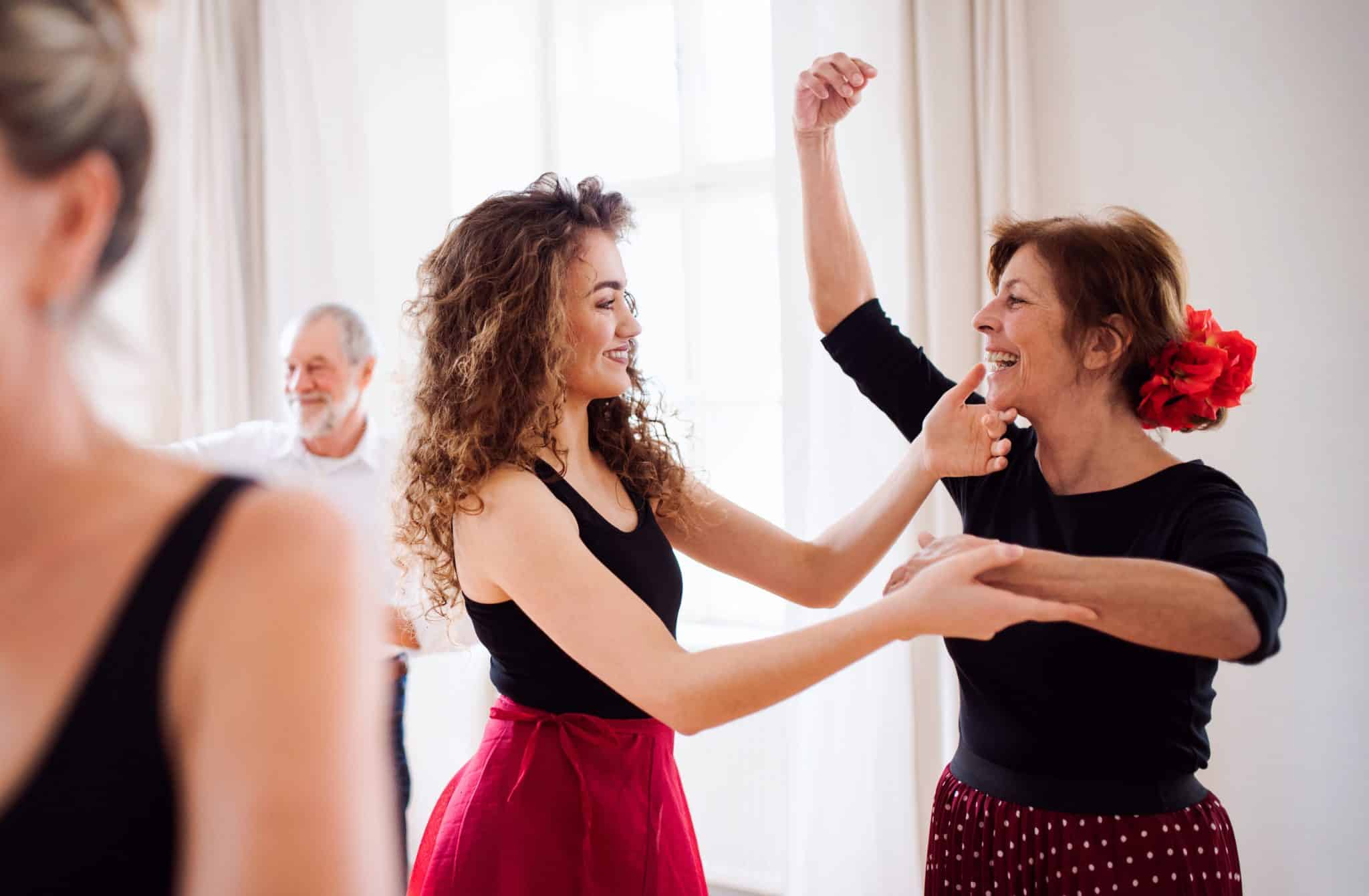
Dancing combines physical exercise with cognitive challenges, as it requires coordination, memory, and social interaction. Studies have shown that regular dancing can lead to positive changes in brain regions associated with memory.
Video games, particularly 3D games, have also shown potential cognitive benefits. Research indicates that older adults who engage in these games can improve their memory, highlighting that not all screen time is detrimental.
Finally, mindfulness practices, including meditation and yoga, help manage stress, which is crucial for maintaining cognitive function and overall health as one ages. Spending time with pets can also provide cognitive and emotional benefits.
Combining these activities—physical exercise, mental challenges, and social engagement—can lead to enhanced cognitive outcomes. The key to healthy aging lies not in a single activity but in maintaining a curious, active, and connected lifestyle. This approach not only fosters a vibrant brain but also promotes a resilient and fulfilling life well into later years.
Check out the original article here: Source link