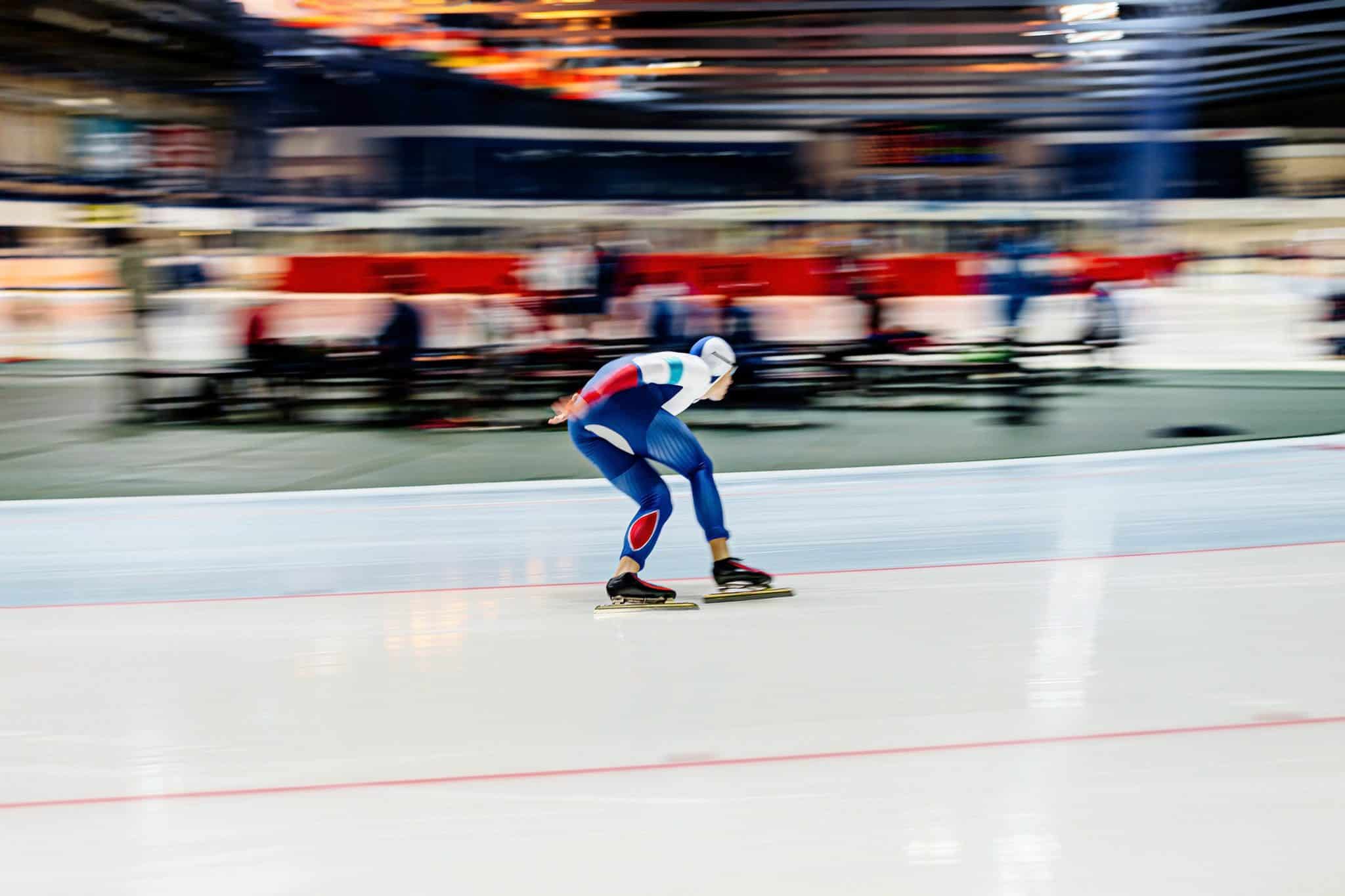
Image Credit: spotpoint74/123rf.com
Mental-performance coaching for athletes has evolved significantly over the decades, shifting from a focus on achieving flawless performances to preparing for unpredictability and chaos. This transformation reflects the understanding that elite performance often occurs in high-pressure situations where conditions are far from ideal.
Sean McCann, a senior sport psychologist with over 30 years of experience with the U.S. Olympic & Paralympic Committee, notes that mental coaches now emphasize managing disruptive pressure rather than seeking the elusive “flow state.” This approach recognizes that moments of anxiety and chaos are natural and can be harnessed to improve performance in various demanding scenarios, not just in sports.
Research has shown that reframing anxiety as excitement can lead to better outcomes. Athletes are encouraged to adjust their inner dialogue, replacing terms like “pressure-filled” with “intense” or “electric.” This subtle shift allows individuals to meet challenges head-on, using anxiety as a tool for performance enhancement rather than a hindrance.
Setbacks are viewed as opportunities for growth rather than failures. Athletes are trained to analyze their performances and differentiate between outcomes they can control and those influenced by external factors. This analytical approach fosters resilience and encourages continuous development.
Emotional honesty is also becoming a cornerstone of mental training. Acknowledging feelings of disappointment and discomfort is seen as a necessary step toward improvement. Techniques such as journaling and reflection are recommended to build emotional clarity and facilitate personal growth.
Mental recovery is increasingly recognized as vital for sustained performance. Coaches advise against the relentless pursuit of more effort, emphasizing the importance of engaging in restorative activities that recharge mental and emotional energy. Social connections, in particular, have been identified as beneficial for recovery and overall performance.
Finally, successful athletes are urged to concentrate on the process rather than fixating on outcomes. By focusing on preparation and execution, they can reduce anxiety and enhance clarity, ultimately leading to better performance.
These lessons from Olympic coaching extend beyond sports, providing valuable strategies for anyone facing high-pressure situations in their daily lives. Embracing chaos, acknowledging emotions, prioritizing recovery, and focusing on controllable processes can help individuals navigate challenges more effectively.
Check out the original article here: Source link