Image Credit: larash/123rf.com
As winter transitions to spring, gardening enthusiasts are encouraged to take proactive steps to prepare their gardens for a thriving growing season. With a few mild winter days providing an opportunity, here are essential tasks to consider for healthy plants and vibrant blooms.
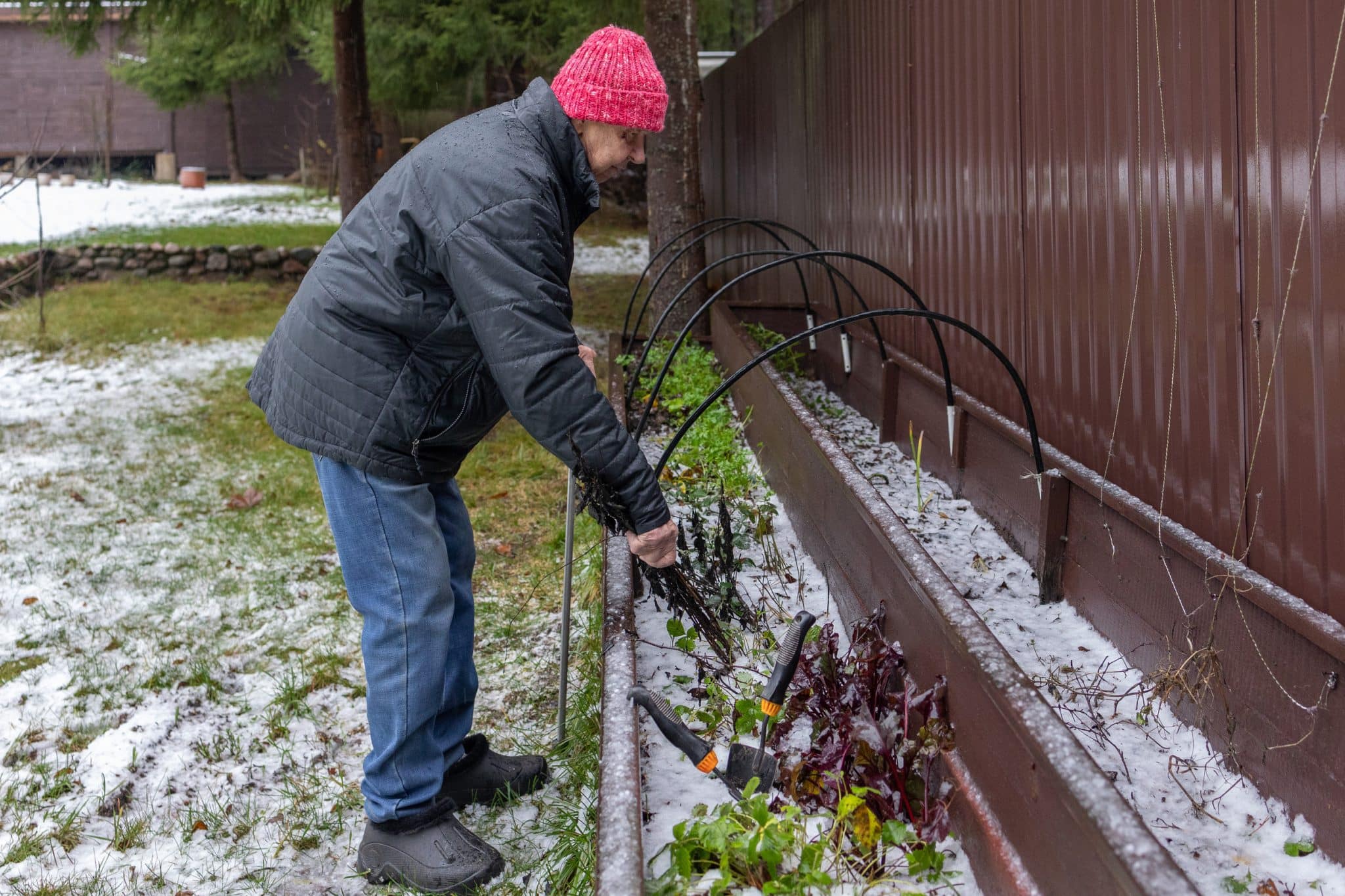
First, clearing out garden clutter is crucial. This involves removing sticks, leftover leaves, and other debris that may have accumulated over the fall. Cutting back dead foliage, especially on perennials such as hostas and daylilies, allows sunlight and air to penetrate the soil, promoting strong new shoots. This process also helps prevent mold and fungal diseases that thrive in damp environments.
Next, testing and amending soil can significantly enhance plant health. Gardeners can use home testing kits or send soil samples to local extension offices for analysis. Understanding the soil’s pH is vital, as different plants have varying acidity requirements. For instance, azaleas prefer acidic soil, while lavender thrives in more alkaline conditions. If the ground is workable, applying slow-release granular fertilizer or natural mulch can provide essential nutrients for early bloomers.
It is important to avoid compacting wet soil, as this can harm the soil structure and impede plant growth. A simple test involves squeezing a handful of soil; if it crumbles easily, it is ready for work, but if it remains clumped, it is best to wait until it dries.
Pruning perennials and shaping shrubs is also recommended during late winter. Cutting back last year’s growth on plants like asters and Russian sage encourages new growth and healthier blooms. This is also a suitable time to prune roses and other flowering vines, which can benefit from attention while still dormant.
Checking drainage is another critical step. After rain, gardeners should inspect their plots for pooling water or areas with slow drainage, which can be improved with compost or trenching. Conversely, it is essential to monitor soil moisture levels, especially in dry regions, ensuring that plants receive adequate hydration.
Lastly, addressing potential threats from rodents such as voles and moles is vital. These animals can damage roots and disrupt soil integrity. Setting traps or barriers now can prevent significant issues later in the season.
Taking these early steps can prepare gardens for a successful spring, ensuring that plants awaken strong and healthy. Engaging in these tasks not only benefits the garden but also provides a refreshing outdoor experience during the winter months.
Check out the original article here: Source link