Image Credit: wjarek/123rf.com
Spain has recently made a significant commitment to ocean conservation by designating six new marine zones, which include five marine protected areas (MPAs) and one seabird sanctuary. This initiative adds approximately 17,000 square kilometers of protected waters, elevating Spain’s total marine protection to 22.45 percent and bringing the country closer to its 2025 goal of 25 percent.
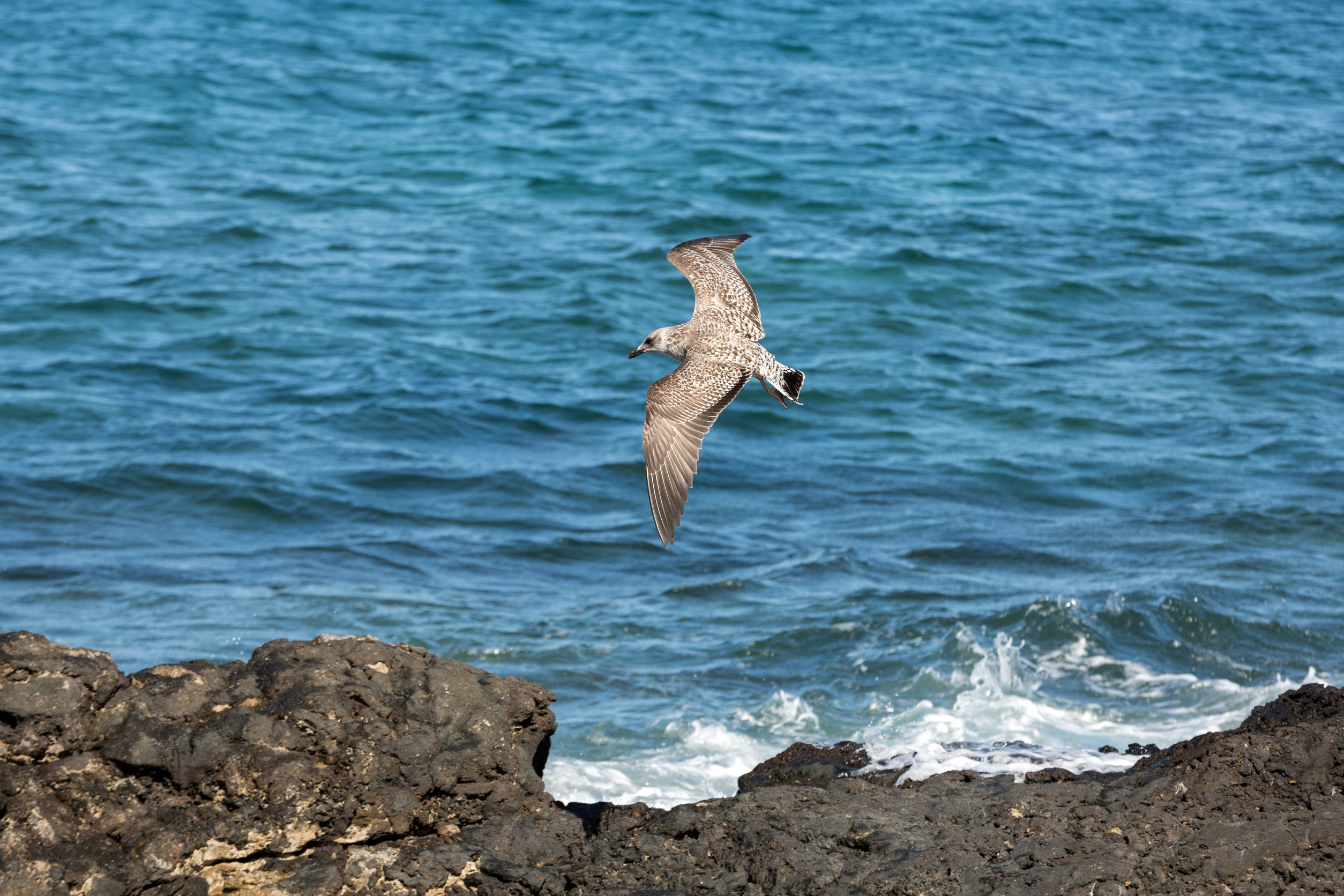
The newly established protected areas encompass some of the most ecologically vulnerable and biologically rich regions of Spain’s waters. Key sites include the Mallorca Channel seamounts, the pockmark fields of Seco de Palos, the Capbreton canyon system, the Alboran Sea banks, and the Central Catalan Coast. The sixth area is designated as a sanctuary for seabirds, highlighting the importance of these regions for both marine life and avian species.
These marine areas play a critical role in preserving rare and fragile ecosystems that have often been overlooked. Oceana, a prominent marine conservation organization, has been instrumental in advocating for these protections. Their extensive research efforts, which included deep-sea expeditions and the use of advanced technology, provided essential data that supported the new designations.
One particularly noteworthy site is the Mallorca Channel, where Oceana conducted explorations that revealed previously uncharted seamount ecosystems. Their findings included the documentation of rich seabeds featuring soft corals and gorgonians, along with the discovery of a new species of giant foraminifera, underscoring the urgent need for protective measures in these areas.
This expansion of marine protection aligns with the European Union’s Biodiversity Strategy for 2030 and acknowledges commitments made during the UN Ocean Conference. The designated sites are part of the LIFE INTEMARES project, a European initiative focused on developing a coherent, science-led network of MPAs across EU waters. Following a review by the European Commission for inclusion in the Natura 2000 Network, Spain will have six years to implement detailed management plans for these areas, with immediate precautions needed to guard against harmful practices like bottom trawling.
The benefits of these protections extend beyond biodiversity. Healthier marine ecosystems contribute to stronger coastal economies by supporting sustainable fisheries, enhancing food security, and generating opportunities for nature-based tourism. As marine ecosystems face increasing challenges from climate change, overfishing, and industrial activities, Spain’s proactive measures represent a vital step towards long-term resilience and serve as a potential model for other nations aiming to achieve international conservation goals through collaborative and science-driven efforts.
Check out the original article here: Source link