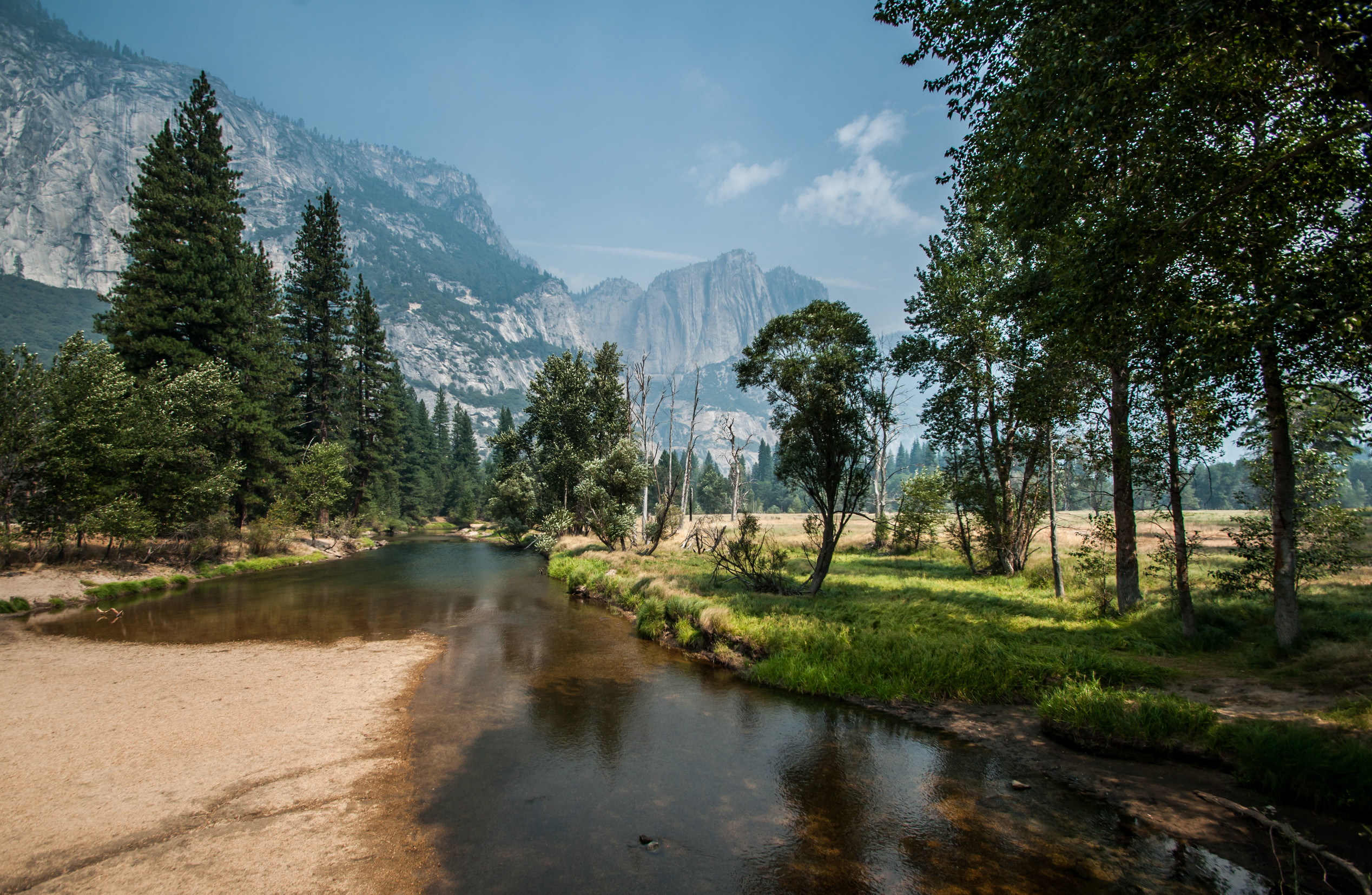
Image Credit: weltreisendertj/123rf.com
Nearly 900 acres of ancestral territory have been officially returned to the Southern Sierra Miwuk Nation in California, marking a significant achievement in Indigenous land restoration efforts. This property, which borders Yosemite National Park and the Sierra National Forest, includes Henness Ridge, a culturally important landscape that historically formed part of an ancestral trail leading into Yosemite Valley.
The land transfer symbolizes more than just the return of acreage; it represents a reconnection for the Miwuk people to the land they managed for generations before being forcibly removed in the 19th and 20th centuries. The return of Henness Ridge is seen as a critical opportunity for the community to celebrate traditions and create a healing space for future generations.
The transfer was facilitated by the Pacific Forest Trust, a conservation organization known for collaborating with Indigenous nations. Funding for the project came from the California Natural Resources Agency’s Tribal Nature-Based Solutions Program, which aims to support Indigenous-led conservation and climate resilience initiatives. This land return continues a precedent set in the 1990s, when the Pacific Forest Trust helped establish the first-ever conservation easement with tribal entities in the U.S.
Henness Ridge is ecologically significant, serving as a corridor for deer and other migratory species and forming part of a traditional route from the Central Valley to Yosemite Valley. Located near Chinquapin/Badger Pass and State Highway 41, the area offers panoramic views of the Merced River, the Central Valley, and Yosemite Valley, making it an ideal site for cultural gatherings, environmental education, and the revival of traditional ecological practices.
The Southern Sierra Miwuk Nation plans to utilize the land to promote food sovereignty, ceremonial practices, and land-based education. The community aims to actively participate in protecting local ecosystems, particularly the tributaries that feed the South Fork of the Merced River, which is safeguarded under the Wild and Scenic Rivers Act.
This land return carries symbolic weight, especially given that the last of the Miwuk people living in Yosemite Valley were evicted by the National Park Service in 1969. Over five decades later, the community is reclaiming the ability to live, gather, and care for the land on their own terms.
The return of Henness Ridge contributes to the broader movement of Indigenous land back initiatives across the United States. It showcases how collaborative conservation models can merge ecological protection with long-overdue justice for Native communities. As public interest in land returns grows, cases like this demonstrate the importance of integrating tribal leadership in environmental stewardship, which can enhance climate resilience, cultural preservation, and biodiversity.
For the Southern Sierra Miwuk Nation, the restoration of Henness Ridge marks the beginning of a new chapter, fostering community healing, ecological restoration, and the revival of Indigenous knowledge.
Check out the original article here: Source link