Image Credit: bmaudsley/123rf.com
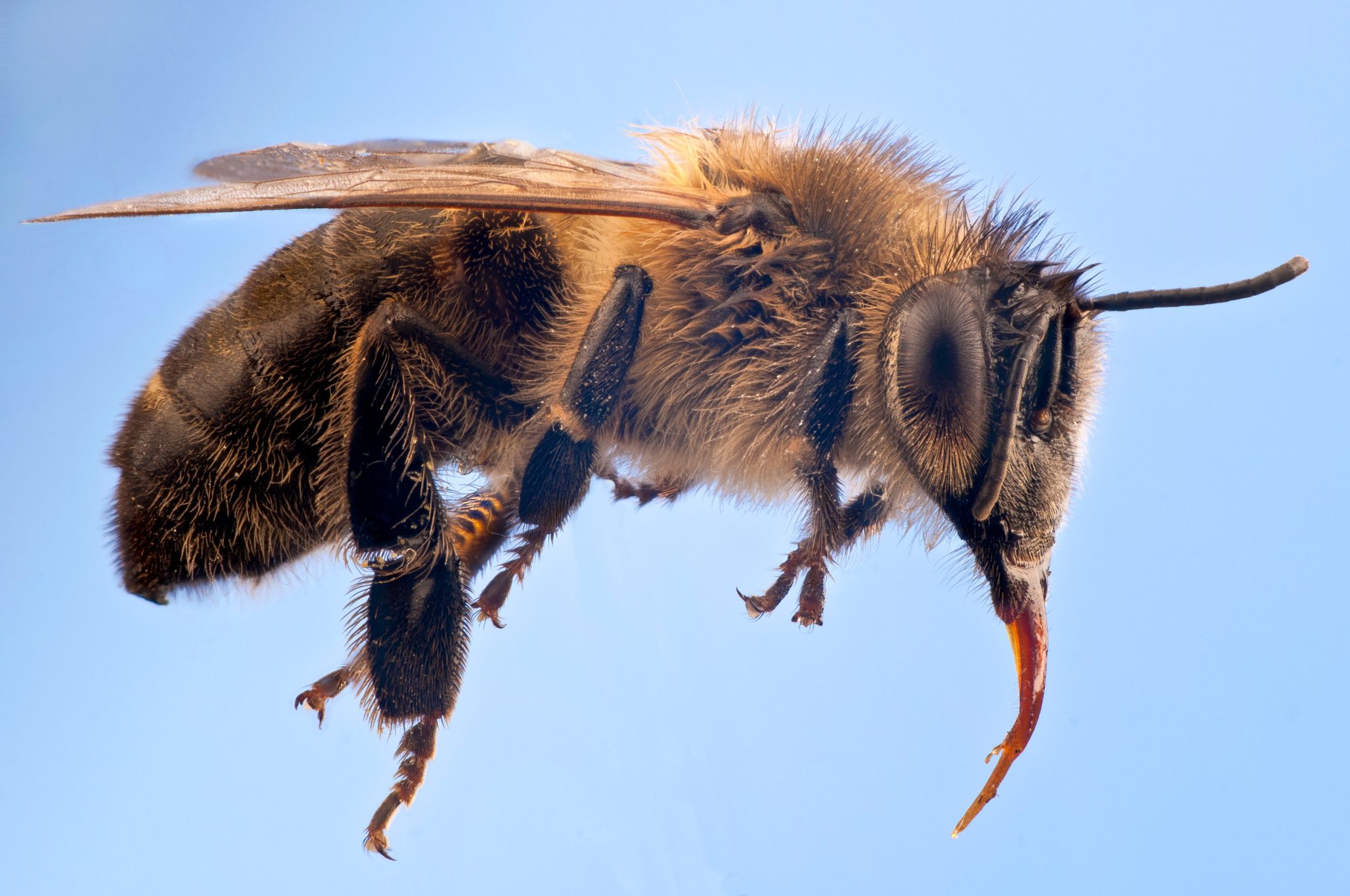
Each summer, the Belgian town of Chimay hosts a remarkable event known as the “wedding flight,” where approximately 1,000 virgin queen bees take to the sky. During this dramatic ritual, male bees mate with the queens in midair, a process that ultimately leads to the death of the males but ensures that the queens can store genetic material necessary for establishing new colonies. This annual event is crucial for the conservation of the endangered European dark bee, Apis mellifera mellifera.
Beekeepers from Belgium, the Netherlands, France, and Germany gather in Chimay to collect these newly fertilized queens, transporting them back to their hives, sometimes over 300 kilometers away. The primary goal is to revitalize populations of the European dark bee, a native honeybee subspecies that has suffered significant decline due to the introduction of hybrid bees in the mid-twentieth century. These hybrids, bred for increased honey production, have interbred with native populations, leading to genetic dilution and a fragmented species.
The European dark bee, once thriving across northern and western Europe, faced near extinction, with only small populations remaining in isolated areas. The annual event in Chimay, initiated in 2000, has become a critical lifeline for this native bee. The Maison de l’Abeille Noire, or “dark bee house,” serves as a sanctuary where beekeepers can reserve space for their queens to mate. Over a two-week period, these queens mate with multiple males, gathering sufficient sperm to support egg-laying for several years.
Under the guidance of Belgian beekeeper and biologist Hubert Guerriat, the revival of the dark bee has gained momentum. Guerriat established a beekeeping school in 1983 to educate locals on the care of dark bees and to prevent the spread of hybrids. Currently, an estimated 50 to 100 beekeepers operate in the region, with plans to expand areas where only dark bees are permitted.
Dark bees exhibit unique characteristics compared to hybrids. Although they produce less honey and maintain smaller colonies, they are more resilient to harsh climates, requiring fewer resources to survive winter. This adaptability is becoming increasingly valuable as the impacts of climate change become more pronounced. Some dark bee populations have even shown resilience against invasive species, such as the Asian hornet.
The importance of conserving the European dark bee extends beyond mere honey production. As the primary pollinators in natural ecosystems, honeybees play a vital role in maintaining biodiversity. Conservation efforts are underway to restore wild populations of dark bees, with initiatives like installing log hives in forests to mimic natural habitats.
The annual wedding flight in Chimay symbolizes a growing recognition of the need to work with local biodiversity for sustainable beekeeping. As beekeepers learn to appreciate the unique attributes of dark bees, there is hope for a more resilient future for this crucial species.
Check out the original article here: Source link