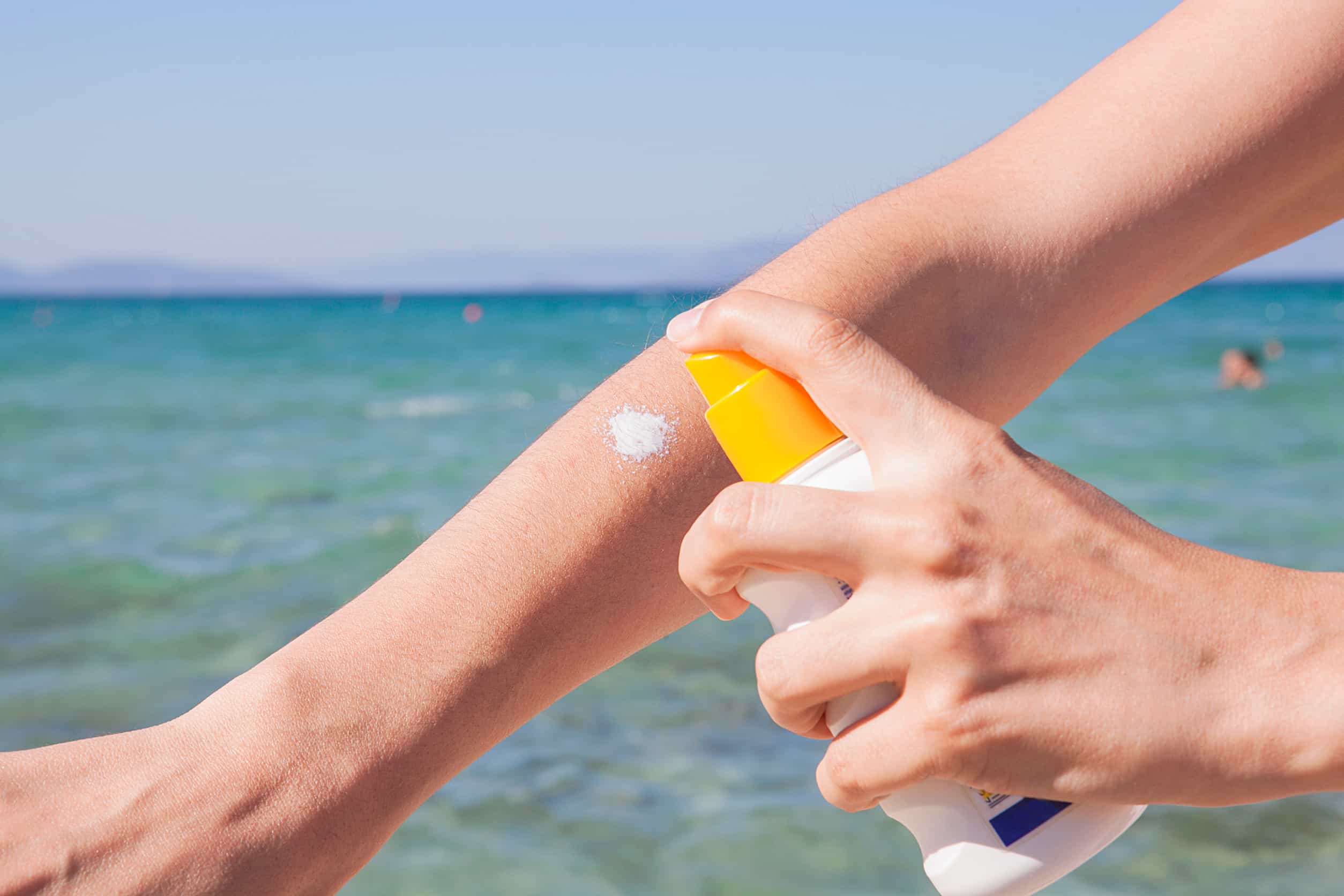
A team of scientists has developed a groundbreaking pollen-based sunscreen that effectively blocks harmful ultraviolet (UV) rays without harming coral reefs. This innovative formula may provide an environmentally friendly alternative to traditional sunscreens, which are often linked to coral reef decline.
The research, conducted by a team at Nanyang Technological University in Singapore, focused on creating an affordable and non-allergenic sunscreen that would also be eco-friendly. The study prominently featured two types of pollen: sunflower and camellia. While sunflower pollen-based sunscreen was found to have a low sun protection factor (SPF) of below 5, camellia pollen emerged as a superior option, boasting an SPF of 27.3, which blocks approximately 97 percent of UV rays.
In a comparative analysis, researchers tested the effects of their pollen-based sunscreen against a commercial sunscreen in 10-liter seawater tanks containing healthy coral. The results were significant: the commercial sunscreen caused coral bleaching within two days and led to coral death within six days, while the pollen-based sunscreen maintained coral health throughout a 60-day observation period.
Conventional sunscreens contribute an estimated 6,000 to 14,000 metric tons of harmful UV-filtering chemicals to coral-rich coastal waters annually. Ingredients such as zinc oxide and titanium oxide have been implicated in the decline of coral reefs and other marine life. Despite some products being labeled “coral-safe,” studies indicate that their toxicity levels remain concerning.
This research highlights the urgent need for safer sunscreen alternatives that do not compromise marine ecosystems. While further testing and regulatory review are necessary, the development of a pollen-based sunscreen represents a promising shift toward sustainable product options. The findings underscore a broader conversation about the need for more comprehensive chemical regulations, particularly regarding the environmental impact of everyday products like sunscreen.
Check out the original article here: Source link