Image Credit: arka0881/123rf.com
Scientists at Johns Hopkins School of Medicine have made significant strides in pain management through the development of a new therapy known as SN101, often referred to as the “pain sponge.” This innovative treatment utilizes lab-grown neurons derived from human pluripotent stem cells to intercept pain signals at their source, potentially offering a groundbreaking alternative to traditional opioids and other painkillers.
In preclinical trials involving mice suffering from osteoarthritis, researchers discovered that these engineered, sponge-like sensory neurons effectively blocked pain signals before they could reach the brain. Additionally, the therapy demonstrated the ability to aid in the repair of damaged cartilage and bone, suggesting a dual benefit for individuals with degenerative joint diseases.
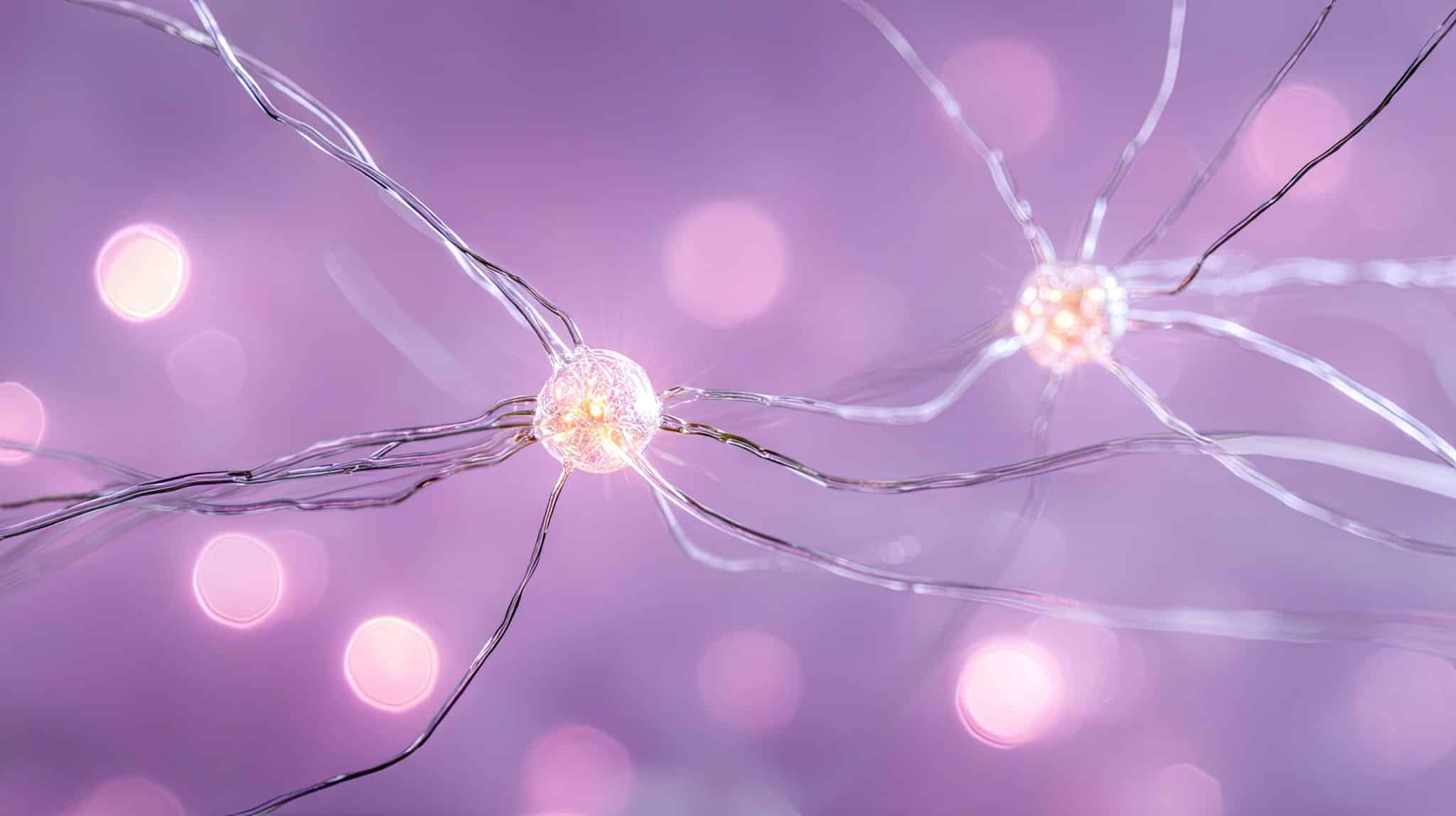
The mechanism behind SN101 involves coaxing stem cells to form specialized sensory neurons that absorb inflammatory pain signals. Unlike conventional medications that act after pain signals have been registered, SN101’s approach allows for the interception of these signals at the inflammation site, providing a more proactive form of pain management.
Chronic pain affects millions globally and is notoriously challenging to treat. Current options, particularly opioids, carry risks such as dependence and addiction, with many patients seeking alternatives. The unique properties of the neurons used in SN101 may offer a more targeted and lasting solution by reflecting the complex nature of pain and inflammation in the body.
While the early findings are promising, the research is still in its preclinical phase. Rigorous safety testing is necessary before the therapy can proceed to human trials, particularly given the differences between human and mouse joint biology. Researchers are also investigating potential immune responses to the introduced neurons, which will be critical for future clinical applications.
This innovative approach represents a shift in the strategy of pain management, focusing not on replacing damaged neurons, but rather on adding new ones that filter pain signals before they manifest. If future studies confirm the safety and efficacy of SN101, it could revolutionize how chronic pain is managed, providing patients with a much-needed alternative to traditional pain relief methods.
Check out the original article here: Source link