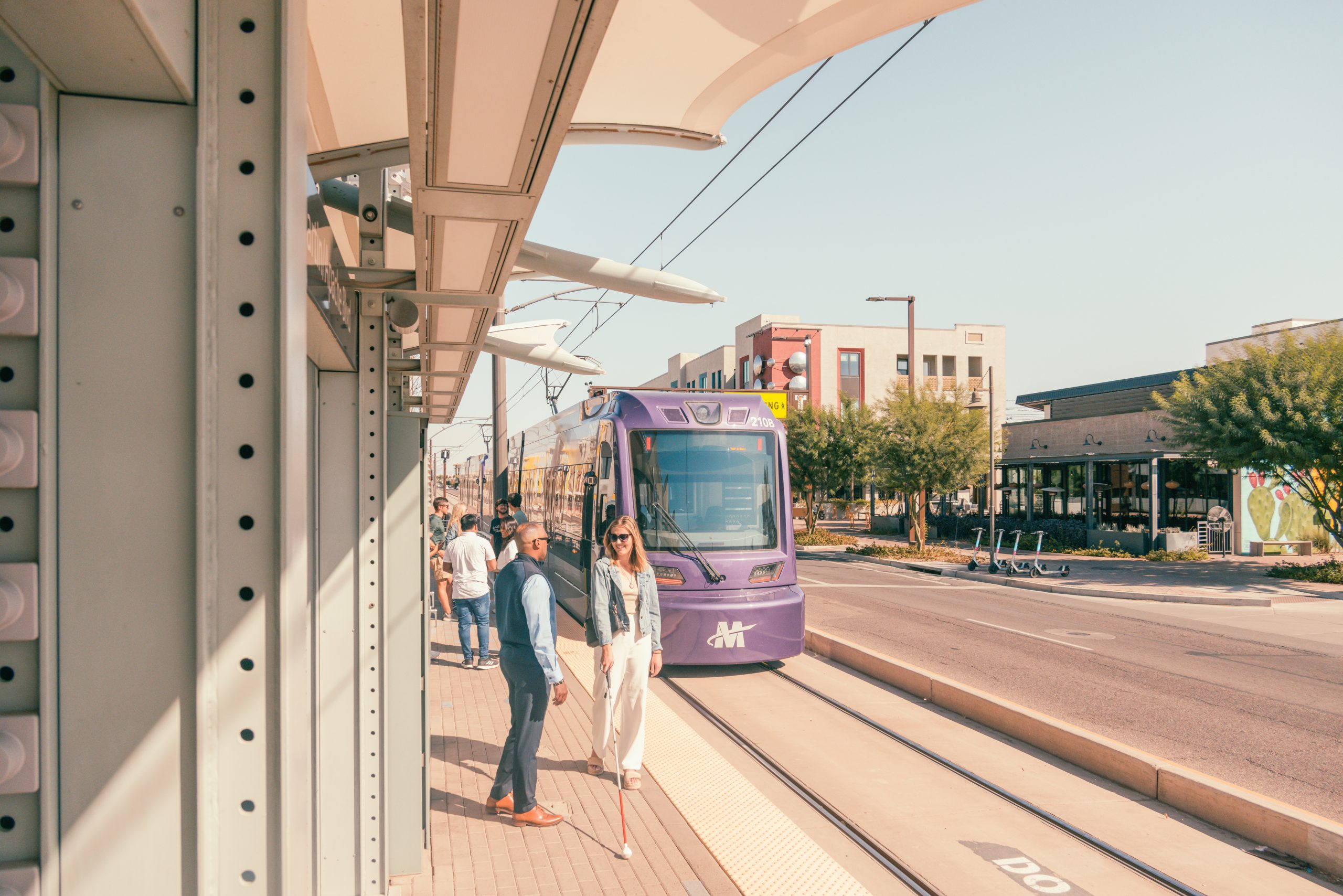
Image Credit: Photo courtesy of Culdesac Living
A groundbreaking development in Arizona is redefining urban living by creating a car-free community designed to promote sustainability and social connectivity. Culdesac Tempe, a $200 million, 17-acre project, prioritizes walkability and public transit, attracting residents who seek a lifestyle centered around human interaction rather than vehicles.
Since opening in 2021, Culdesac Tempe has become home to approximately 300 tenants in 288 units. The community offers incentives such as free e-bikes and public transit passes, significantly reducing the necessity for private cars. This innovative approach is drawing attention as a potential model for other cities across the United States.
The design of Culdesac eliminates traditional roads and parking spaces, opting instead for pedestrian-friendly paseos that facilitate movement and social engagement. This layout fosters a vibrant community atmosphere, featuring shared public spaces like courtyards, murals, and communal seating. The architecture, led by Opticos Design, embraces a heat-conscious, desert-modern aesthetic that enhances the neighborhood’s appeal.
Despite initial challenges, including delays in the availability of amenities, residents now enjoy a range of facilities, including a gym, dog park, co-working spaces, and local shops. An on-site car rental service is available for those who require occasional vehicle access, offering an economical solution for infrequent car use.
Culdesac Tempe’s success raises important questions about the viability of walkable neighborhoods in the U.S., where car culture has long dominated urban planning. While many Americans still prefer suburban living, recent shifts in zoning laws and public transit investments signal a growing openness to denser, more connected communities.
With plans to expand to 700 units housing 1,000 residents by 2026, Culdesac Tempe may serve as a catalyst for future developments aimed at fostering community and sustainability. As the model gains traction, it highlights a significant demand for alternatives to traditional suburban living, paving the way for more innovative urban projects in the years to come.
Check out the original article here: Source link