Image Credit: kamus818/123rf.com
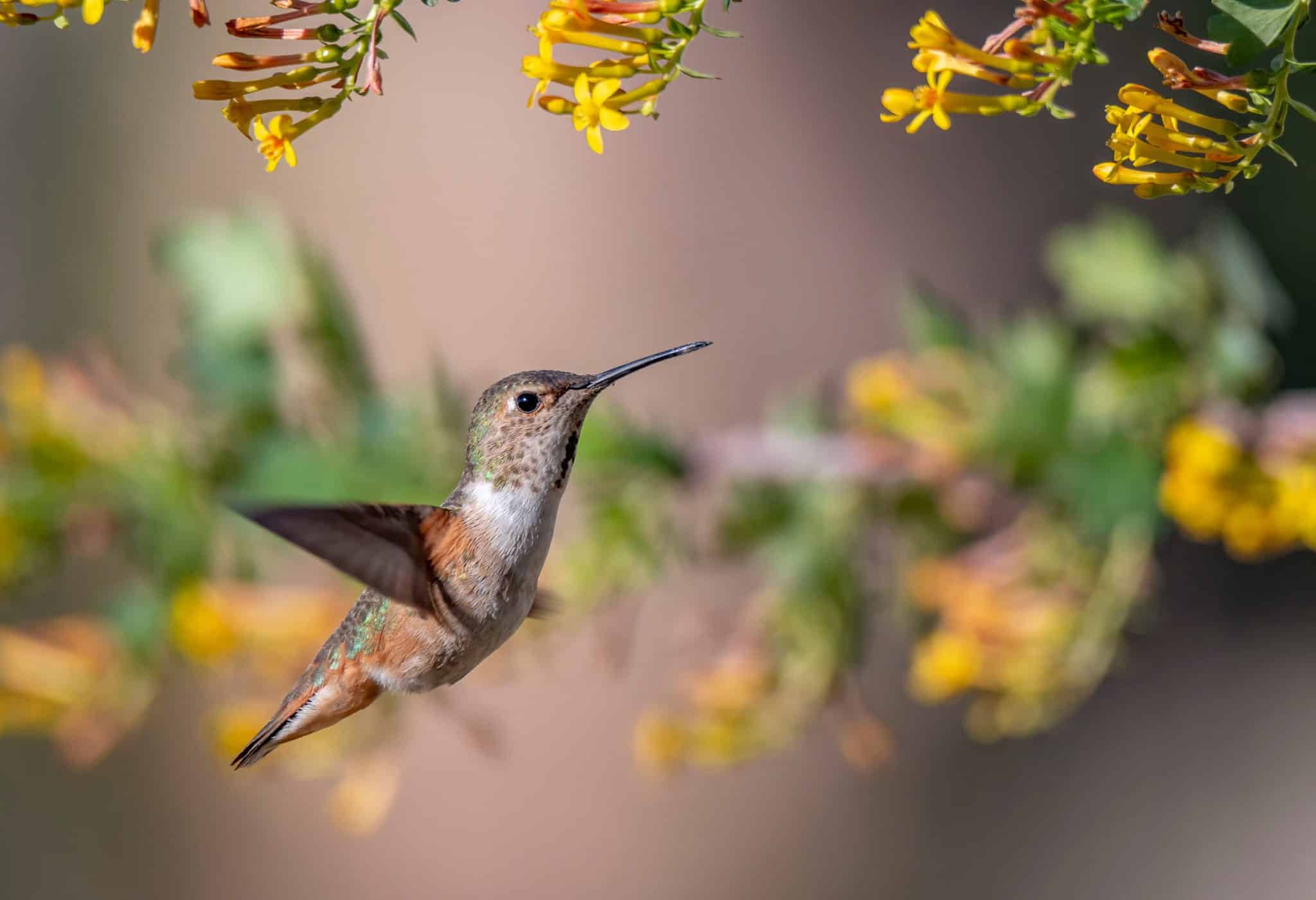
Migration season for hummingbirds is in full swing, with Ruby-throated Hummingbirds making their way north from their winter habitats in Mexico and Central America. As these tiny birds embark on their journey, which can involve flying hundreds of miles over open water, they rely on the support of local gardens and feeders to fuel their migration.
According to the National Audubon Society, hummingbirds typically double their body weight in preparation for migration, allowing them to fly long distances without stopping. In 2026, the migration appears to be slightly ahead of schedule, prompting experts to recommend that bird enthusiasts set up feeders early.
Timing for the arrival of Ruby-throated Hummingbirds varies by region. In the Gulf Coast and Southeast, they can begin appearing as early as March 1. By late March, South Carolina generally sees its first arrivals, with Virginia and Maryland experiencing increased sightings throughout April. As the migration progresses northward, the Mid-Atlantic region, including New Jersey, typically begins to see hummingbirds by the end of April, with widespread presence in the Northeast by mid-May.
The Southwest boasts the highest diversity of hummingbirds in the United States, with approximately 15 different species inhabiting areas like Arizona. Recent climate changes have allowed some species, such as Black-chinned and Rufous hummingbirds, to expand their winter ranges into southern states.
To attract hummingbirds to gardens, experts recommend setting up feeders before the native nectar plants bloom. A simple nectar solution can be made by mixing one part sugar with four parts water, which should be boiled, cooled, and placed in clean feeders. Regular cleaning is crucial, as moldy sugar water can be harmful to the birds.
Strategic placement of feeders is also important. Hummingbirds are territorial and may guard their feeding spots aggressively, so placing multiple feeders out of sight from each other can help distribute food sources. Additionally, positioning feeders away from windows can reduce collision risks.
Creating a supportive environment for hummingbirds involves more than just feeders. Native plants and healthy ecosystems can provide essential habitats and food sources for both the birds and the insects they rely on for protein. As these remarkable creatures migrate, gardens that prioritize biodiversity can play a vital role in their survival.
Check out the original article here: Source link