Image Credit: drmicrobe/123rf.com
The global fight against Guinea worm disease is nearing a historic milestone, with only 10 human cases reported worldwide in 2025, according to The Carter Center, a nonprofit organization leading the eradication efforts. If successful, Guinea worm disease, or dracunculiasis, will become only the second human disease in history to be fully eradicated, following the elimination of smallpox in 1980.
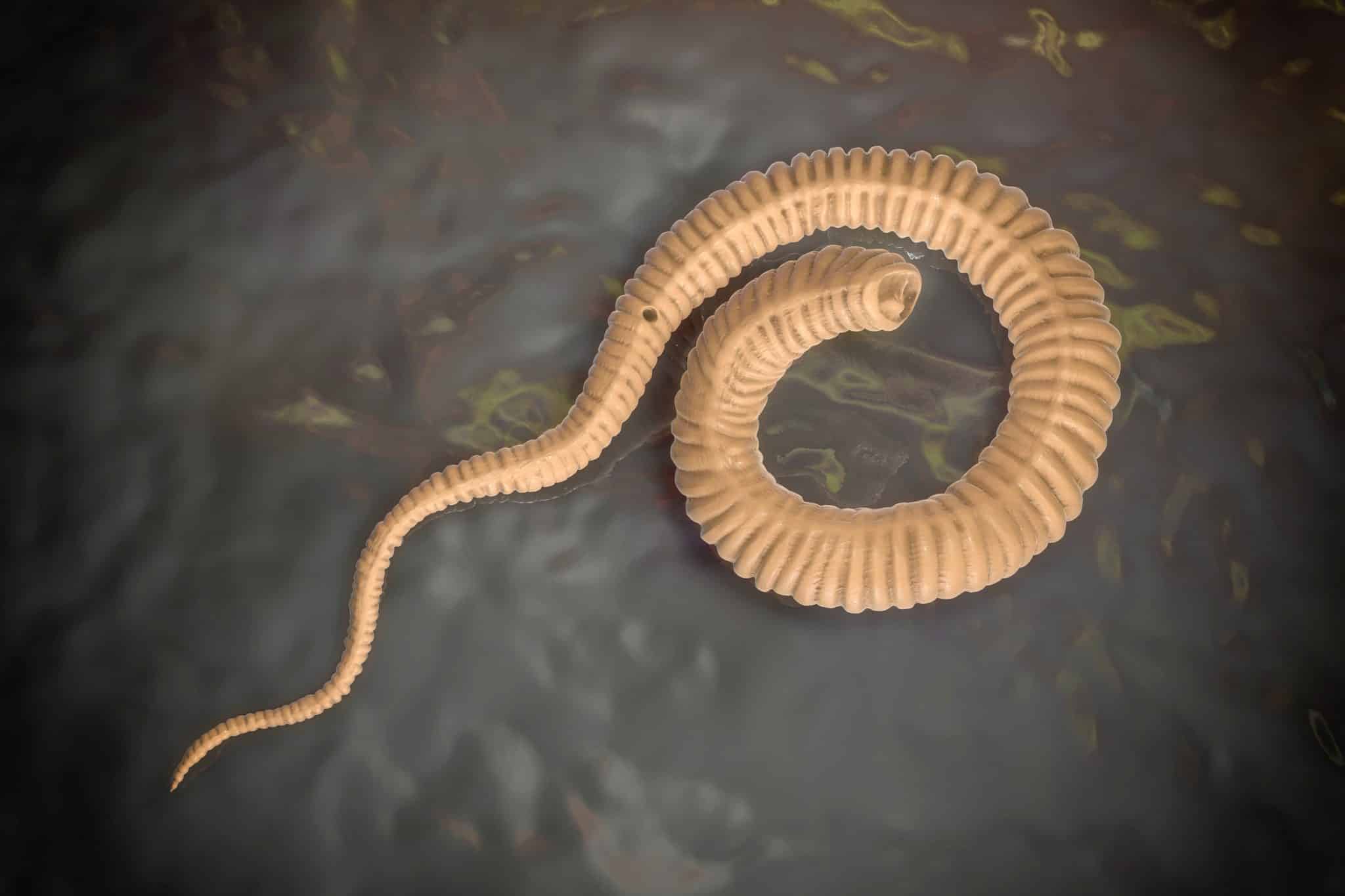
Guinea worm disease is caused by the parasitic roundworm Dracunculus medinensis, which is transmitted through drinking water contaminated with infected copepods—tiny water fleas that carry the worm’s larvae. After entering the human body, the larvae mature into adult worms, which can grow up to three feet long. The adult female worm eventually migrates to the skin’s surface, causing painful blisters. As individuals attempt to relieve the pain by immersing the blister in water, they release new larvae, perpetuating the cycle of infection.
Eradication efforts have focused on improving access to clean drinking water and interrupting the worm’s life cycle, as there is currently no vaccine or drug to treat the disease. Initiatives include providing water filtration tools, implementing active surveillance, and educating communities on how to avoid contaminating water sources during outbreaks.
Since The Carter Center intensified its efforts in 1986, the annual number of Guinea worm cases has dramatically decreased from an estimated 3.5 million to just 10. However, the final push to eradicate the disease is crucial, as the suffering caused by Guinea worm extends beyond the individual to their families and communities.
As of early 2026, the World Health Organization (WHO) has certified 200 countries and territories as free of Guinea worm disease. Six countries—Angola, Chad, Ethiopia, Mali, South Sudan, and Sudan—remain uncertified. Chad and Ethiopia each reported four cases in 2025, while South Sudan reported two. Angola, Cameroon, Mali, and the Central African Republic have reported zero cases for two consecutive years, moving closer to certification.
The near-eradication of Guinea worm disease serves as a powerful example of global cooperation and community-level health initiatives. This success not only demonstrates that basic health infrastructure and education can effectively combat disease but also sets a precedent for future public health campaigns. The WHO has already targeted another disease, yaws, for eradication by 2030, underscoring the potential for similar achievements in global health.
Check out the original article here: Source link