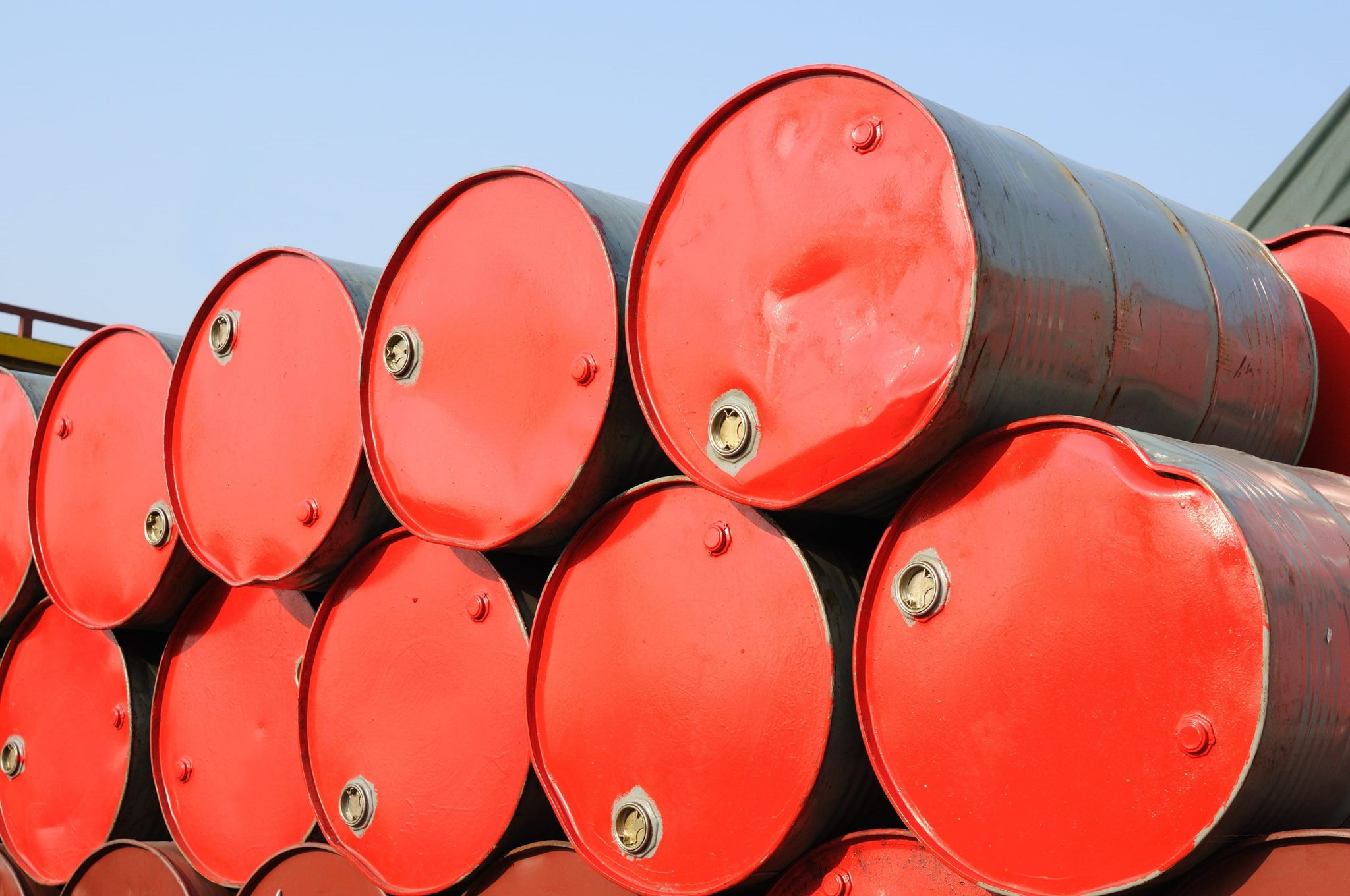
Image Credit: bedo/123rf.com
The International Energy Agency (IEA) has initiated an unprecedented release of government oil reserves in response to significant disruptions in the global oil market caused by military strikes on Iran. The Strait of Hormuz, a critical passage for oil shipments, is at the center of this crisis, leading to sharp increases in fuel prices worldwide, including petrol, diesel, and jet fuel.
In light of these developments, the IEA has turned its focus to reducing oil demand through a series of ten recommended measures aimed at both individuals and businesses. The organization highlights that road transport, which constitutes a large portion of daily oil consumption, should be a primary target for these measures. Key recommendations include encouraging remote work where feasible, implementing speed limit reductions of at least 10 kilometers per hour (approximately 6 miles per hour), and promoting the use of public transportation and car-sharing initiatives.
Cities may see specific strategies implemented, such as number-plate rotation schemes that limit vehicle access based on odd or even plate numbers to alleviate traffic congestion. Additionally, for the commercial sector, the IEA suggests optimizing truck load management and improving vehicle maintenance to enhance fuel efficiency. Households are also encouraged to adopt electric cooking methods and avoid unnecessary air travel when alternatives are available.
In response to the ongoing oil crisis, several countries have already taken action. Austria and Greece have introduced caps on profit margins for fuel retailers to stabilize prices, while the UK is providing financial assistance for heating oil costs to vulnerable households. Some nations have also restricted non-essential travel for public officials and launched campaigns to promote reduced consumption.
The IEA has emphasized the necessity of these demand-side measures as obligations for its member nations, underscoring that they are essential for collective action during such emergencies. The agency describes its ten-point plan as a practical set of immediate actions that can be implemented without requiring new infrastructure, highlighting the potential impact of widespread adoption of these measures on mitigating the effects of the current oil supply crisis.
Check out the original article here: Source link