Image Credit: hattaarshavin/123rf.com
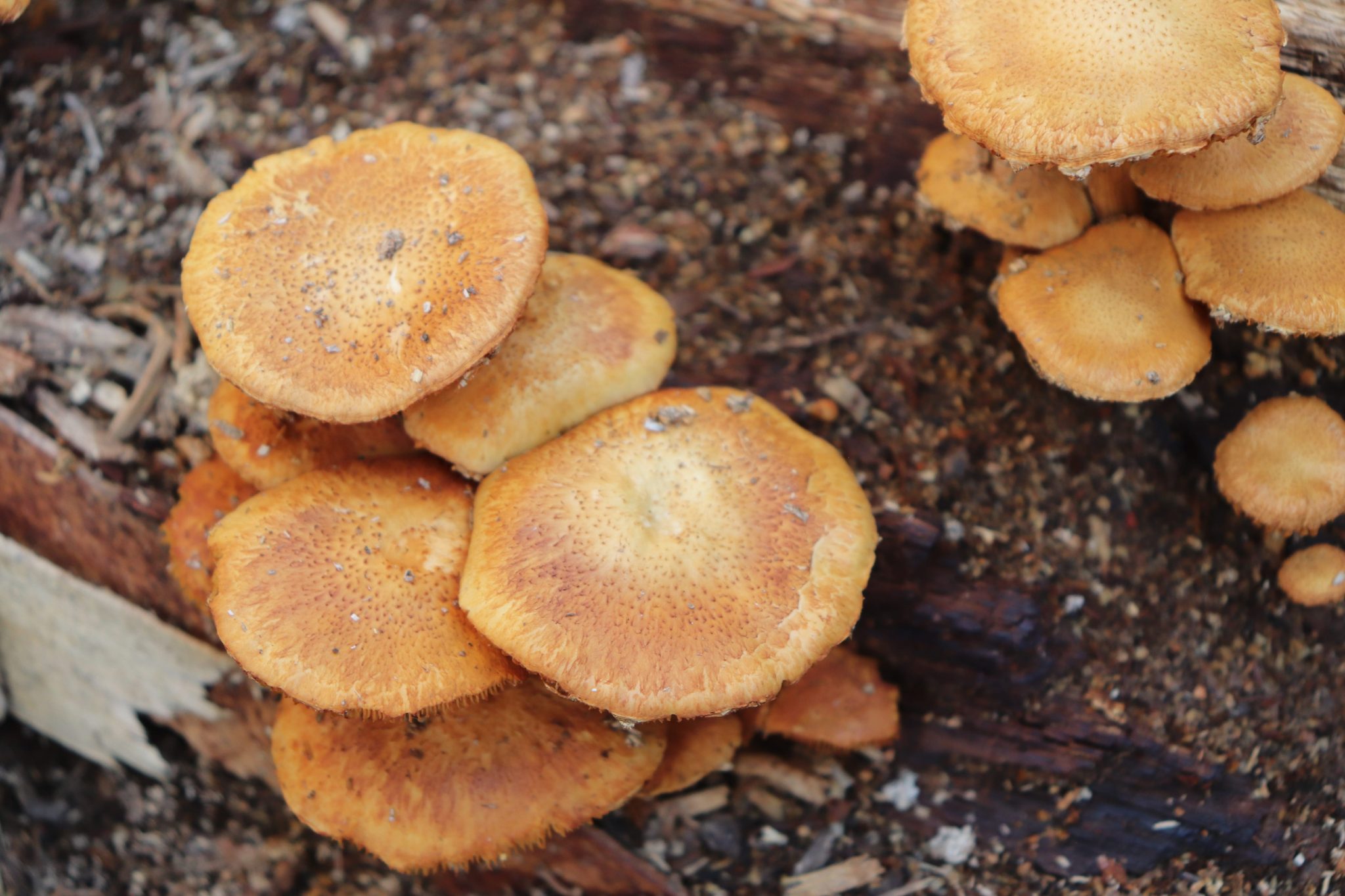
Following severe wildfires, the return of life to the affected areas often begins with the emergence of colorful fungi known as pyrophilous fungi. These organisms, which thrive in burnt conditions, play a crucial role in the ecological recovery of scorched landscapes. Researchers are increasingly focusing on the function and significance of these fungi as they investigate the recovery processes following wildfires.
High-intensity wildfires can reach extreme temperatures, often exceeding 1,000 degrees Celsius (1,832 degrees Fahrenheit). This intense heat incinerates the top layer of soil and the organisms within it, leaving behind a material known as pyrolyzed organic material, which consists mainly of carbon and can contain harmful compounds. The aftermath creates soil that is dry, crumbly, and coated with a water-resistant layer, complicating the germination of new plants.
Pyrophilous fungi, such as the species Pyronema domesticum, have evolved to thrive in these challenging conditions. In laboratory studies, these fungi have shown the ability to grow in pyrolyzed material, where they produce enzymes that break down the charred matter into a more digestible form for other organisms. This action jump-starts nutrient cycling in the soil, which is essential for the subsequent growth of plants.
Additionally, these fungi contribute to the physical stabilization of the soil through the formation of mycelial mats—networks of fine, root-like structures that absorb water and nutrients. Research has documented these mats stabilizing soil in areas affected by wildfires, such as the Great Smoky Mountains National Park and regions in the Pacific Northwest and southeastern Australia.
As wildfires become more frequent and severe, understanding the role of fire fungi has gained urgency. Researchers aim to uncover how these organisms influence the speed and diversity of ecological recovery after wildfires. The knowledge gained from studying pyrophilous fungi may provide ecologists and land managers with insights into actively supporting post-fire regeneration, shifting the focus from passive observation to proactive management of soil health.
The intricate processes occurring underground highlight the importance of fungi in the ecological recovery following wildfires. While the vibrant flowers and birds may be the first signs of life returning, it is the unseen work of these fungi that lays the groundwork for a thriving ecosystem.
Check out the original article here: Source link