Image Credit: parilovv/123rf.com
In a decisive action to safeguard public health and the environment, Malaysia has implemented an immediate and comprehensive ban on the import of electronic waste (e-waste). This initiative is part of the government’s broader strategy to combat illegal dumping and corruption within waste management practices, as announced by the Malaysian Anti-Corruption Commission (MACC).
The new regulation categorizes all forms of e-waste as “absolutely prohibited,” effectively closing previous loopholes that permitted limited imports under specific exemptions. Previously, the Department of Environment had the authority to grant exceptions for certain types of e-waste; however, this discretion has now been revoked. The MACC has emphasized that e-waste is no longer allowed to enter the country, pledging to undertake stringent enforcement measures to deter illegal imports.
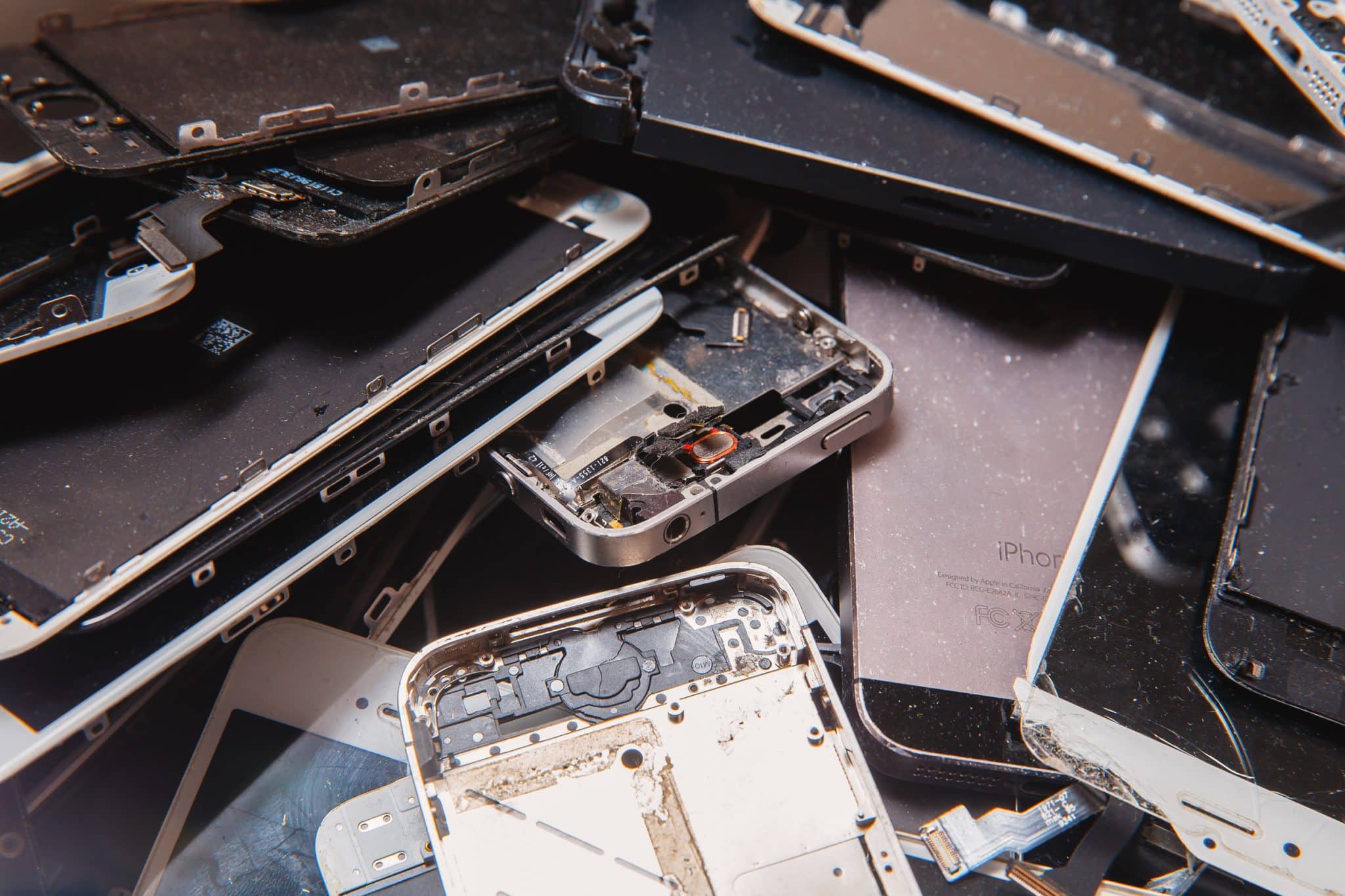
E-waste encompasses discarded electronic devices such as smartphones, laptops, and household appliances. These items frequently contain harmful substances like mercury, lead, and cadmium, posing significant risks to public health and environmental integrity if not disposed of properly. Malaysia has increasingly found itself a destination for global e-waste, with many shipments believed to enter the country illegally. Authorities have intercepted numerous containers suspected of containing e-waste in recent years, many traced back to exporters from wealthier nations.
The ban is particularly timely, coinciding with ongoing corruption investigations into senior officials within the environmental agency. Recently, the MACC detained the director-general and the deputy of the Department of Environment for alleged corruption related to e-waste oversight. In addition to the arrests, several bank accounts have been frozen, and cash believed to be linked to the case has been seized. The Malaysian Home Ministry has reinforced its commitment to enhancing enforcement efforts against the illegal smuggling of e-waste.
This issue is not confined to Malaysia; neighboring Indonesia has also tightened its regulations on e-waste imports. In late 2022, Indonesia seized over 70 containers of hazardous e-waste, much of which originated from the United States. The increase in e-waste in Southeast Asia can be traced back to China’s 2018 ban on foreign waste, which diverted shipments to countries with less stringent regulations.
Malaysia’s recent ban signals a significant shift in policy aimed at ending the region’s role as a dumping ground for global waste. As Southeast Asian nations take a firm stance against illegal e-waste imports, the commitment to protecting both public health and environmental sustainability is becoming increasingly evident.
Check out the original article here: Source link