Image Credit: jaruek/123rf.com
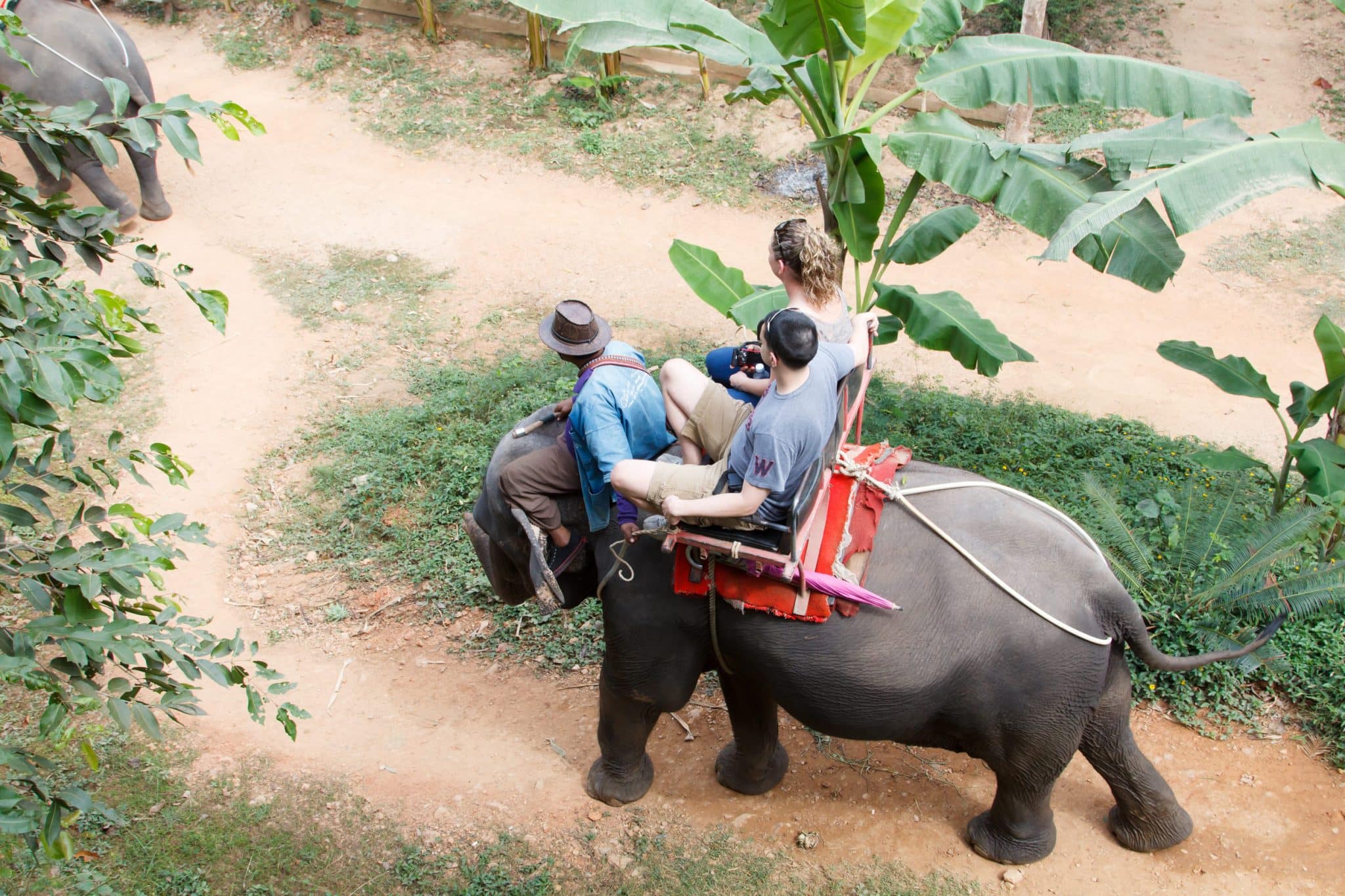
Indonesia has officially banned elephant rides in zoos and conservation centers, marking a significant change in the treatment of elephants within the tourism industry. The decision, announced by the Ministry of Forestry’s Directorate General of Natural Resources and Ecosystem Conservation, aims to end a practice that has faced criticism from animal welfare organizations for causing harm to captive elephants.
The ban is seen as a pivotal moment for animal welfare advocacy in the region. Facilities that do not comply with the new regulation risk losing their operating permits, emphasizing the government’s commitment to ethical wildlife tourism. This move comes at a time when there is increased global scrutiny of wildlife tourism practices, with many travelers seeking experiences that prioritize animal welfare.
One of the last venues offering elephant rides, Bali’s Mason Elephant Park, ceased the practice at the end of January following multiple warnings. The park is now transitioning to observation-based experiences that allow visitors to see elephants without the ethical concerns associated with riding. This shift reflects a growing public demand for responsible tourism that respects the dignity of animals.
Elephants are known for their intelligence and complex social structures, and research has shown that the training methods used in tourism can lead to physical and psychological trauma. Experts have highlighted that elephants are not anatomically suited to carry heavy loads, and the practice of riding often results in long-term health issues.
As the tourism industry evolves, Indonesia’s ban signals a broader movement towards non-exploitative models of wildlife interaction. Observation-based tourism is gaining traction as a viable alternative, providing income for facilities while minimizing stress on animals.
Effective enforcement of the ban will be crucial for ensuring that the policy leads to real improvements in the welfare of elephants in captivity. The nationwide prohibition conveys a powerful message about the potential for wildlife tourism to adapt and prioritize the well-being of animals, fostering a more respectful relationship between humans and the natural world.
Check out the original article here: Source link