Image Credit: eestingnef/123rf.com
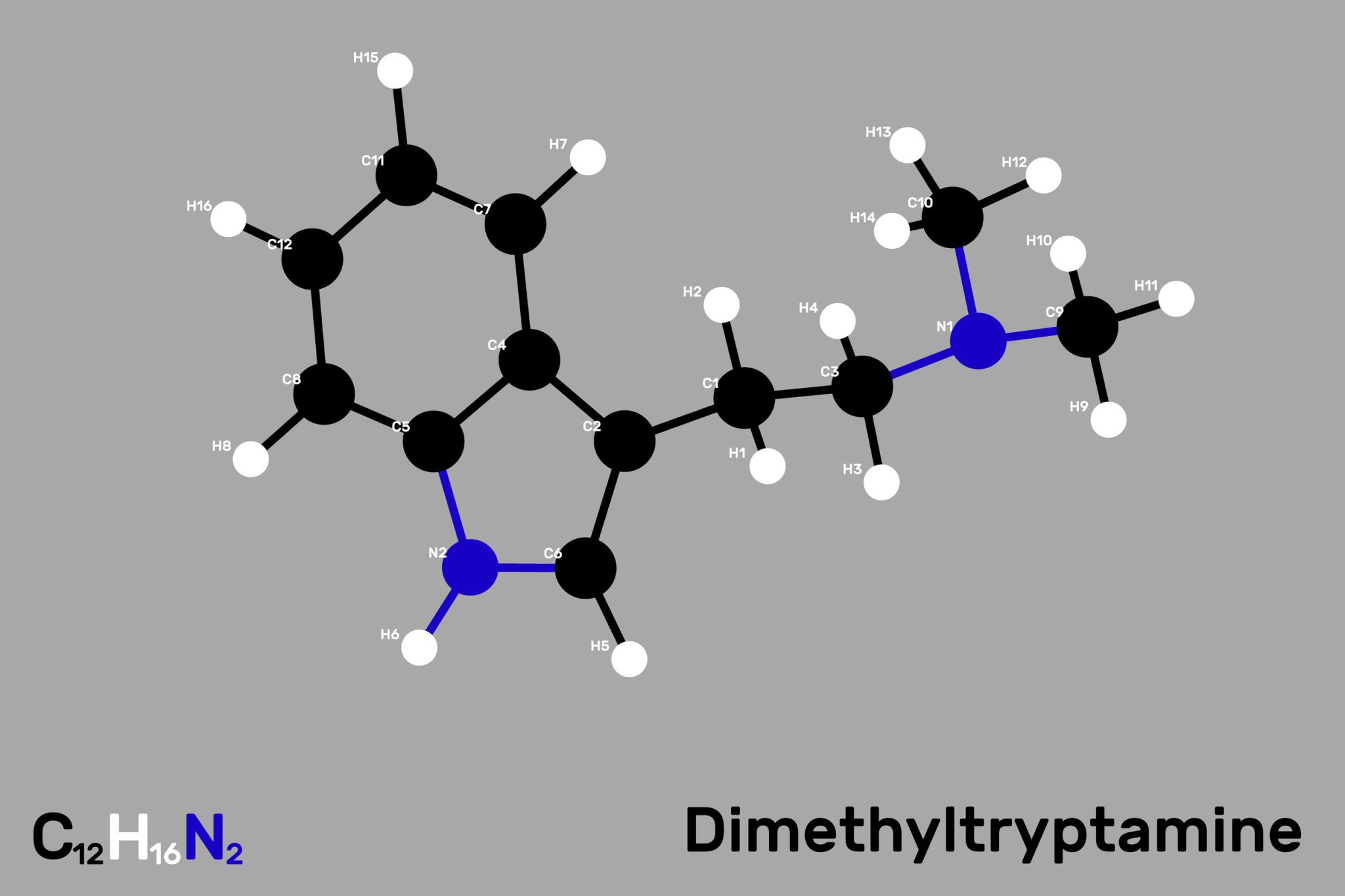
A recent clinical trial has shown that a single dose of dimethyltryptamine (DMT), a psychedelic compound, may provide significant relief for individuals suffering from treatment-resistant depression. The study, published in Nature Medicine, highlights the potential of DMT combined with structured psychotherapy to rapidly reduce depressive symptoms in patients.
The trial involved 34 adults diagnosed with moderate to severe treatment-resistant depression, a condition affecting approximately 100 million people globally. Participants were randomly assigned to receive either a 21.5-milligram intravenous dose of DMT over ten minutes or a placebo infusion, alongside psychotherapy sessions and follow-up evaluations. Those who received DMT reported notable improvements on a standard depression rating scale, with effects lasting between three and six months.
Researchers found that a single session of DMT was sufficient to achieve these results, as subsequent doses did not yield additional benefits. This raises the possibility that DMT-assisted therapy could become a viable treatment option for individuals who have not found success with traditional antidepressants.
DMT is a naturally occurring psychedelic and a key component of ayahuasca, a brew used in some South American cultures. Unlike psilocybin, the active ingredient in magic mushrooms, DMT acts quickly and has a shorter duration of effect, typically lasting around 25 minutes. This rapid onset and brief experience may make DMT more suitable for clinical settings, although its intensity necessitates careful support during and after treatment.
The findings come amid growing interest in psychedelic-assisted therapies as alternatives for those with limited responses to conventional medications. However, researchers emphasize the importance of larger trials to establish the long-term safety and efficacy of such treatments. While the potential for regulatory approval exists, ethical considerations regarding commercialization and patient care standards remain crucial topics of discussion in the field.
As research progresses, the exploration of DMT and other psychedelics may offer new hope for individuals grappling with the debilitating effects of treatment-resistant depression.
Check out the original article here: Source link