Image Credit: nikyzz/123rf.com
Easter celebrations around the world showcase a diverse array of traditions, reflecting the cultural heritage and historical significance of the holiday for approximately 2.4 billion Christians globally. Each region has its unique way of commemorating the occasion, from vibrant processions to culinary innovations.
In Florence, Italy, the Scoppio del Carro, or “Explosion of the Cart,” marks Easter Sunday with a spectacular event dating back to the First Crusade. A nine-meter-tall antique cart, known as the Brindellone, is transported through the streets by flower-adorned oxen and filled with fireworks. The ceremony involves a mechanical dove that ignites a firework display, symbolizing hopes for a good harvest and stable civic life.
Norway embraces a different tradition known as Påskekrim, where the Easter holiday is synonymous with crime fiction. This cultural phenomenon sees Norwegians engrossed in crime novels and television dramas, with nearly half of all adult books sold in the week leading up to Easter being mystery stories. The custom originated from a 1923 publicity stunt that blurred the lines between fiction and reality.
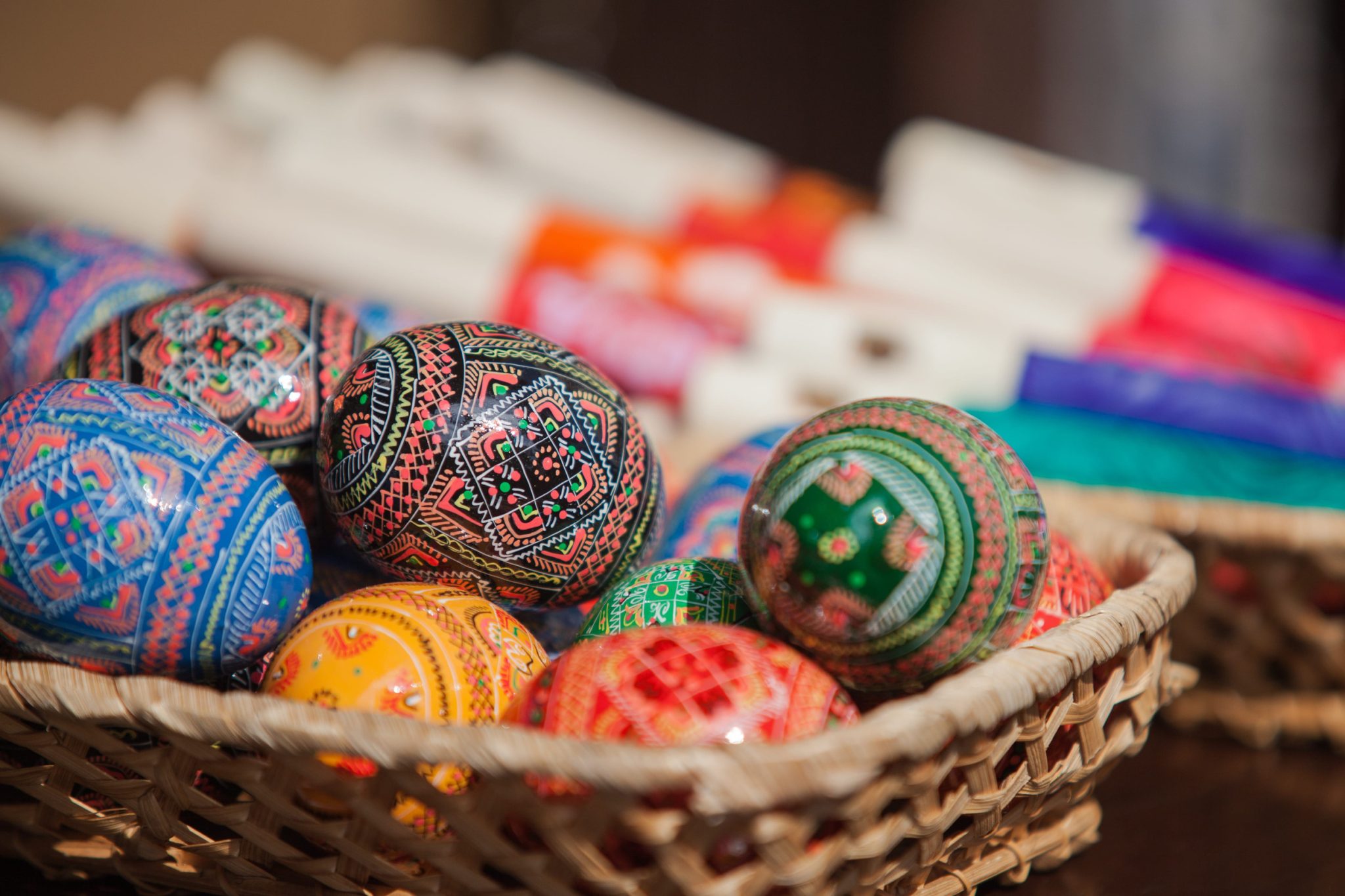
In Ukraine, the art of decorating Easter eggs, known as pysanky, is a tradition that predates Christianity. These intricately designed eggs, created using a wax-resist method, symbolize themes of resurrection and immortality. The United Nations recognized this cultural heritage by adding pysanky to its Representative List of the Intangible Cultural Heritage of Humanity in December 2024.
Sweden’s Easter customs include children dressing as witches and visiting neighbors for treats, a tradition called påskkärring. This practice is rooted in historical beliefs about witches flying to Blåkulla on Maundy Thursday. Meanwhile, in Bermuda, families celebrate Good Friday by flying handmade kites, which are designed with a feature called a hummer that creates a low sound in the wind.
Ethiopia’s Easter, known as Fasika, follows the longest Christian fast, lasting 55 days, culminating in a midnight vigil before Easter morning. The fast is broken with a communal feast featuring traditional dishes like doro wot, a spiced chicken stew served with injera.
In the village of Verges, Catalonia, Maundy Thursday is marked by a procession of skeleton dancers, a tradition dating back to at least 1666, symbolizing the Dance of Death. This unique event draws thousands of visitors each year.
These diverse Easter traditions highlight the rich tapestry of cultural practices that celebrate one of Christianity’s most significant holidays across the globe.
Check out the original article here: Source link