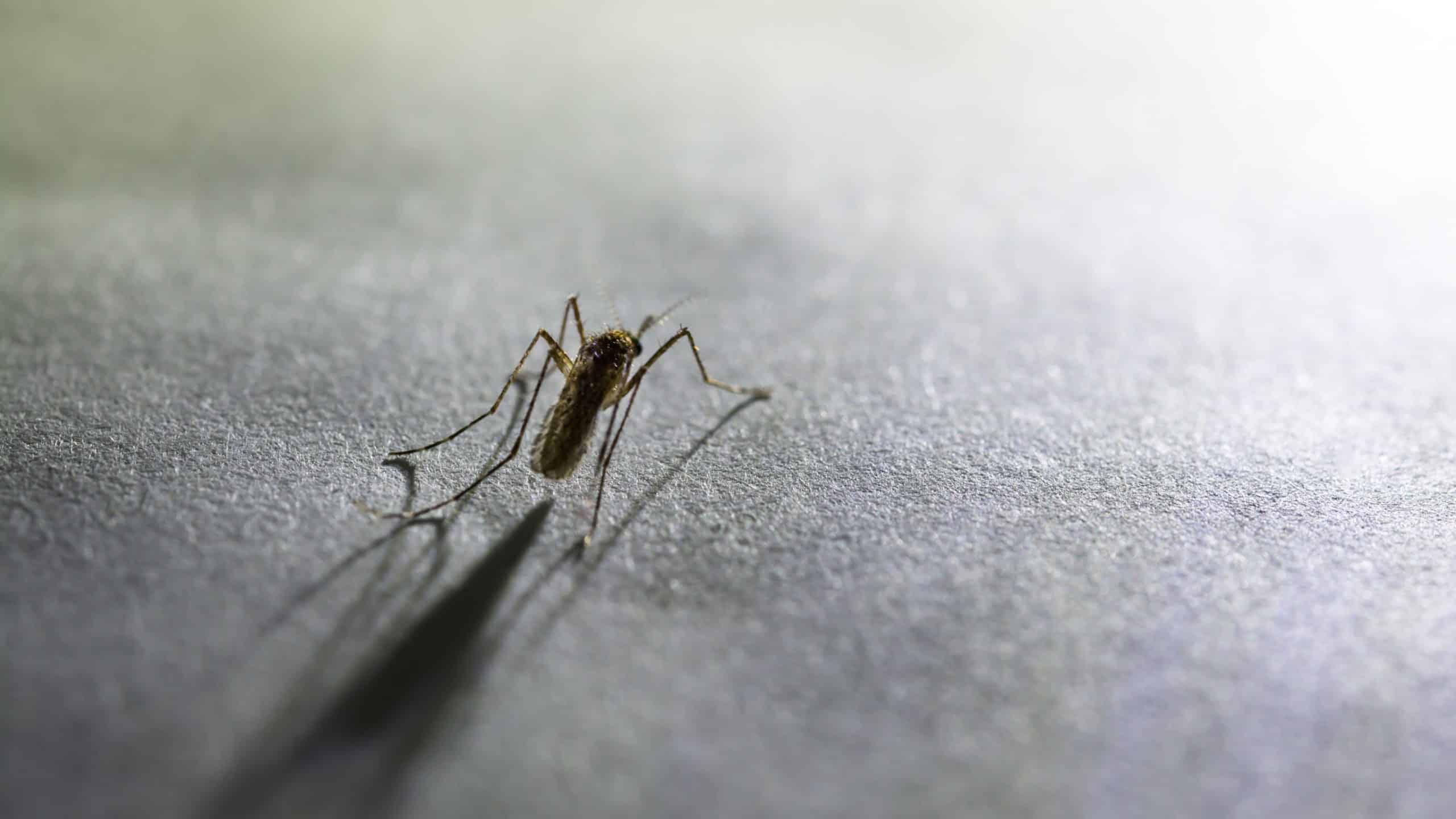
Image Credit: noumae/123rf.com
Researchers from the University of California, San Diego (UCSD) and Johns Hopkins University have made significant progress in the fight against malaria, a disease that continues to pose a substantial health threat globally. Utilizing CRISPR-Cas9 gene-editing technology, the team has developed a method to render mosquitoes immune to malaria infection.
The study, published in the journal Nature, focuses on a specific protein in mosquitoes known as Fibrinogen-related protein 1 (FREP1). This protein is crucial for the mosquito’s physiology and plays a key role in the transmission of malaria parasites, specifically Plasmodium falciparum and Plasmodium vivax. By substituting a single amino acid in the FREP1 gene, the researchers were able to create a variant that significantly reduces the mosquitoes’ susceptibility to malaria.
The modified FREP1 gene, characterized by the amino acid substitution from leucine to glutamine at position 224, demonstrated a marked resistance to infection from the malaria parasites. This genetic alteration effectively cuts off the transmission pathway of malaria without adversely affecting the mosquitoes themselves.
A notable aspect of this research is the introduction of a “phantom” allelic drive, which allows the modified gene to spread through mosquito populations while gradually fading over time. This approach mitigates potential long-term ecological impacts associated with traditional gene drive technologies, which are designed to force the rapid spread of specific genetic traits.
Although this genetic innovation shows promise, researchers emphasize that it is not a standalone solution. The strategy aims to work in conjunction with existing malaria control methods, enhancing the overall fight against this deadly disease. Experts in the field recognize the potential of this approach as a cost-effective and scalable solution in the ongoing battle against malaria, particularly as funding for global public health initiatives faces constraints.
The next phase of research will involve field trials to evaluate the effectiveness of this genetic modification in natural environments. If successful, this breakthrough could significantly alter the trajectory of malaria transmission and contribute to global health efforts aimed at eradicating one of history’s most persistent health challenges.
Check out the original article here: Source link