Image Credit: eastvanfran/123rf.com
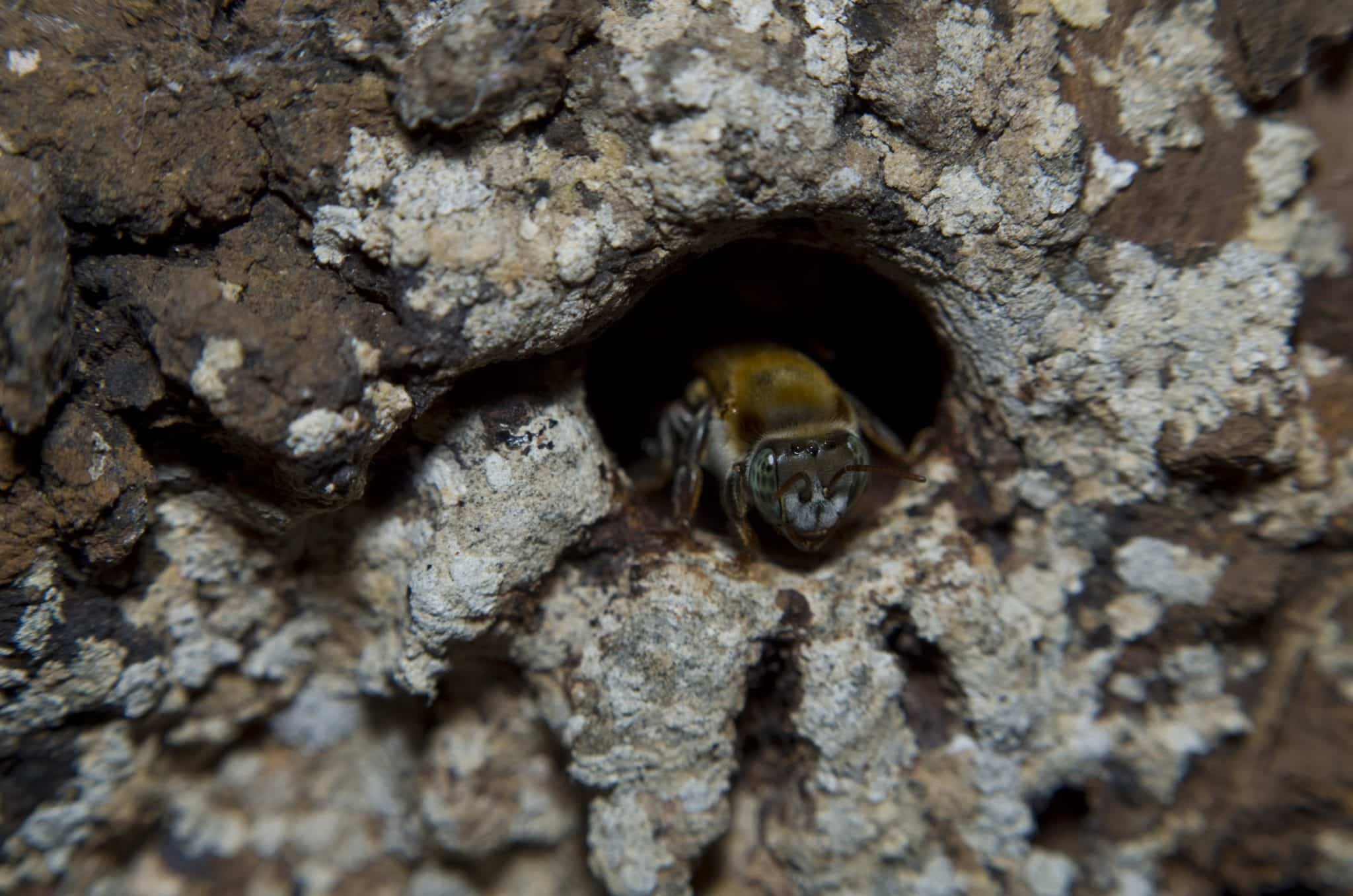
In a groundbreaking environmental initiative, the municipalities of Satipo and Nauta in Peru have become the first in the world to grant legal rights to stingless bees. This legislation recognizes these crucial pollinators as rights-bearing entities, affirming their right to exist, thrive, and inhabit clean ecosystems. The move is seen as a significant step towards enhancing the relationship between legal systems and nature, particularly in the context of biodiversity conservation.
Stingless bees, which inhabit tropical regions globally, play an essential role in pollinating over 80 percent of local plant species in the Amazon, including vital crops such as cacao, coffee, and avocados. These bees have been cultivated by Indigenous communities for centuries and hold both cultural and spiritual significance, especially among the Asháninka and Kukama-Kukamiria peoples.
Despite their importance, stingless bees face numerous threats, including habitat loss due to deforestation, pesticide exposure, climate change, and competition from invasive Africanized honeybees. Recent research led by Rosa Vásquez Espinoza highlighted a serious decline in bee populations linked to these factors, prompting a push for legal protection.
The newly enacted ordinances grant stingless bees several rights, including the right to exist in pollution-free environments and to be represented in legal proceedings should they be threatened. Local authorities are now mandated to develop conservation plans that include habitat restoration, regulation of pesticides, and support for scientific research.
This legal recognition not only aims to protect the bees but also seeks to empower Indigenous knowledge and promote biodiversity. The initiative has garnered significant attention, with a petition to extend these protections to a national level in Peru already accumulating over 386,000 signatures. Advocates in other countries have expressed interest in replicating this legal model, potentially setting a precedent for global conservation efforts.
This landmark decision reshapes how ecosystems and their inhabitants are valued, emphasizing the intrinsic worth of all life forms and the importance of their protection.
Check out the original article here: Source link