Image Credit: wirestock/123rf.com
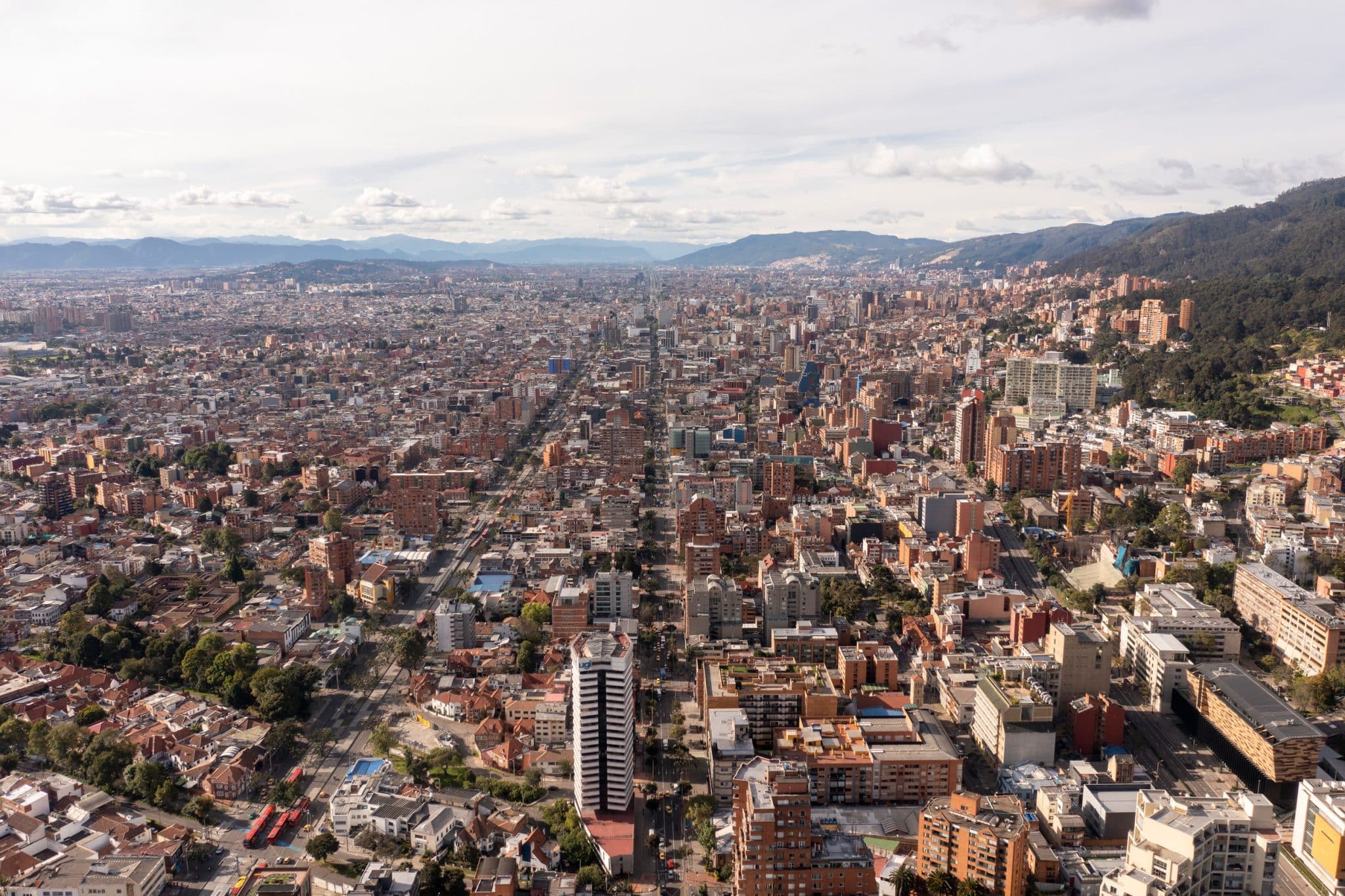
In Bogotá, Colombia, a groundbreaking initiative is reshaping the city’s approach to air pollution, focusing on equity and environmental justice. The newly established clean air zones, known as ZUMAs (zonas urbanas por un mejor aire), are set to improve air quality in some of the most vulnerable neighborhoods, particularly in Bosa, a district with over 700,000 residents facing economic hardships and significant health risks from pollution.
Historically, Bogotá struggled with high levels of air pollution, ranking among the most polluted cities in Latin America at the turn of the century. However, the city has made significant strides, reducing pollution levels by 24 percent between 2018 and 2024. Key to this progress has been the expansion of cleaner transportation options, including a 350-mile network of cycle lanes and one of the largest electric bus fleets globally, comprising 1,400 vehicles.
The ZUMA initiative is not just a vehicle restriction policy; it represents a comprehensive urban redesign aimed at improving living conditions. In Bosa, plans include repaving roads, rerouting freight traffic away from schools, and planting trees to create green buffers. This initiative is crucial for a district where residents have access to just five square meters of green space each, significantly lower than the city average.
Air quality in Bosa is alarming, with PM2.5 levels exceeding World Health Organization guidelines by more than three times. The health impacts are severe, with elevated respiratory illness rates compared to the citywide average. By prioritizing areas with the highest health risks, Bogotá’s strategy illustrates a commitment to environmental justice.
The initiative has garnered international recognition, including an award from the Earthshot Prize in 2025. Mayor Carlos Fernando Galán has set ambitious goals for further urban greening, including the planting of 1,500 trees and the establishment of urban gardens and forests by 2027. This vision aims to ensure that clean air becomes a right for all residents, regardless of their neighborhood.
Bogotá’s efforts are inspiring other cities to adopt similar measures. The success of the ZUMA project is prompting other neighborhoods to seek their own clean air zones, demonstrating that equitable access to clean air can lead to broader community benefits. As Bogotá continues to transform its urban landscape, it serves as a model for cities worldwide, emphasizing that environmental health should not depend on socioeconomic status.
Check out the original article here: Source link