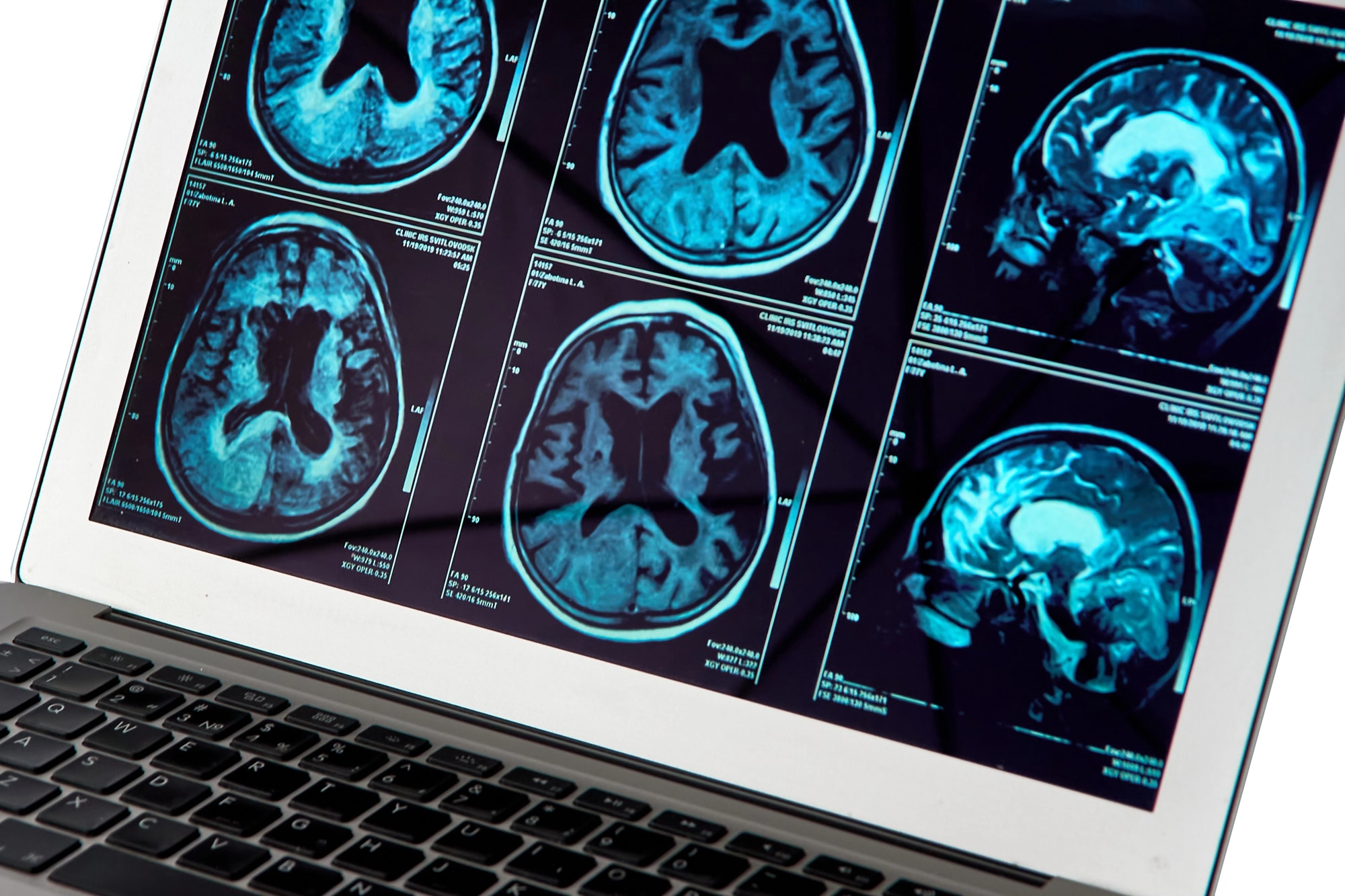
Research from Monash University’s Institute of Pharmaceutical Sciences has unveiled a promising new approach to treating Alzheimer’s disease by enhancing the brain’s own waste-clearing mechanisms. The study, published in ACS Chemical Neuroscience, focuses on a copper compound known as Cu(ATSM), which has shown potential in repairing the blood-brain barrier, allowing the brain to more effectively eliminate toxic amyloid-beta proteins associated with Alzheimer’s.
The blood-brain barrier plays a critical role in brain health by utilizing molecular pumps, specifically P-glycoprotein (P-gp), to push amyloid-beta out of the brain and into the bloodstream for clearance. In Alzheimer’s patients, these pumps weaken, leading to an accumulation of harmful proteins that contribute to cognitive decline. The Monash research team treated an Alzheimer’s mouse model with Cu(ATSM) over a period of 56 days, resulting in a 24.1% increase in P-gp abundance and a 42% reduction in toxic amyloid-beta levels. The improvement in cognitive function was notable, with spatial learning ability enhancing by nearly 44%.
Cu(ATSM) holds a unique advantage in the realm of Alzheimer’s research due to its prior testing in humans for other neurodegenerative conditions, such as Parkinson’s disease and amyotrophic lateral sclerosis (ALS). This prior research means that a significant amount of safety evaluation has already been completed, potentially accelerating its transition to clinical trials for Alzheimer’s. The researchers emphasized that reducing the amyloid burden is linked to improved functional outcomes, strengthening the case for testing Cu(ATSM) in early symptomatic Alzheimer’s patients.
While the study has demonstrated promising results, further research is necessary to fully understand the mechanisms through which the brain clears proteins once the P-gp pumps are restored. The researchers suspect that Cu(ATSM) may also activate microglia, the brain’s immune cells, to aid in breaking down amyloid plaques from within.
Alzheimer’s disease has recently become Australia’s leading cause of death, surpassing coronary heart disease, and remains a significant global health issue. This innovative approach marks a shift in Alzheimer’s research, focusing on enhancing the brain’s natural mechanisms rather than solely targeting the proteins after they have accumulated.
Check out the original article here: Source link