Image Credit: altzaga/123rf.com
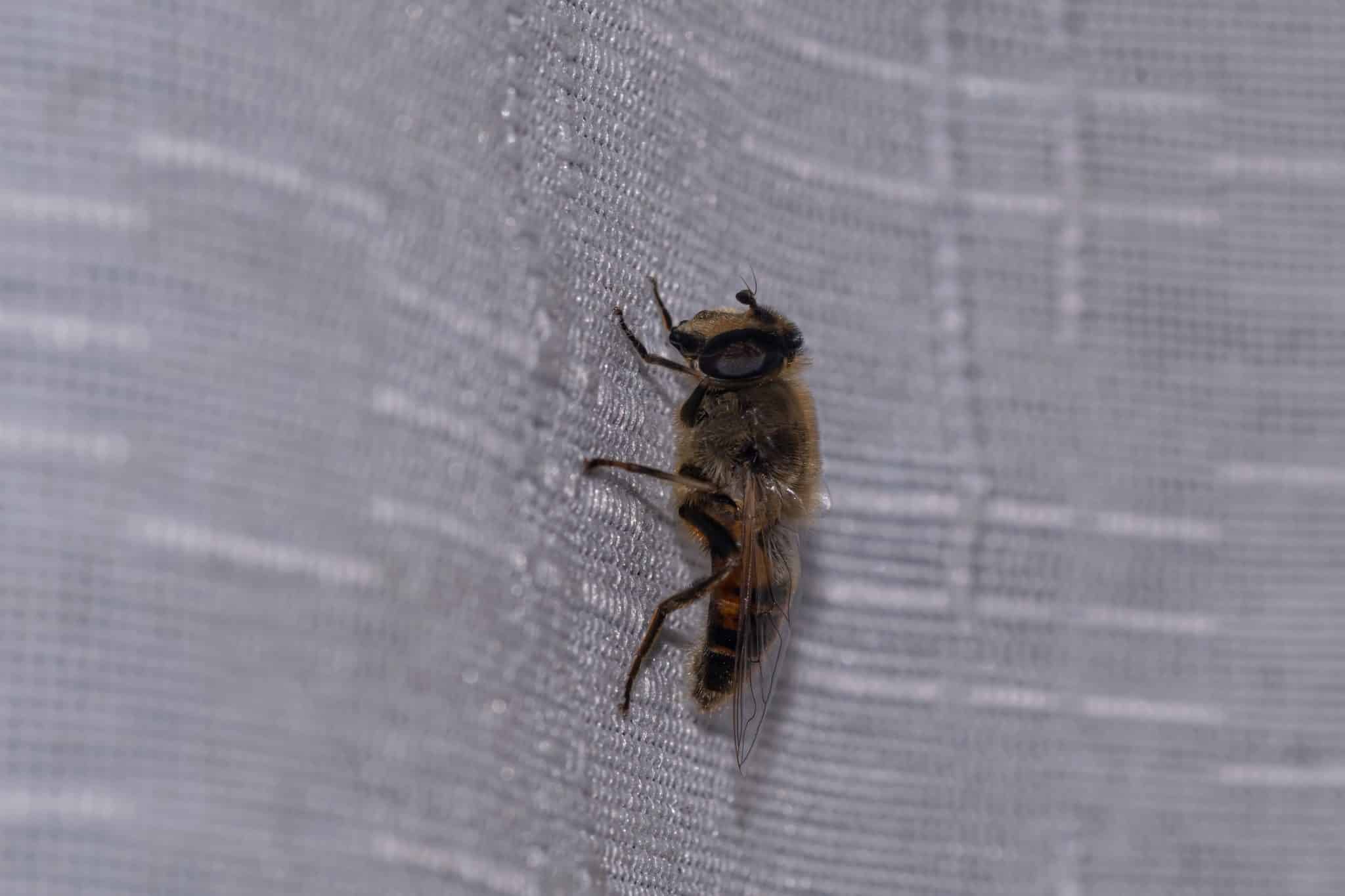
Research has revealed that honeybees possess the remarkable ability to recognize human faces, challenging long-held assumptions about cognitive capabilities in smaller brains. A study spanning over two decades has demonstrated that these insects, which have approximately one million neurons in their brains compared to the 86 billion found in humans, can learn to differentiate between individual faces with an accuracy rate of 80 to 90 percent.
The training process involves presenting honeybees with photographs of human faces, focusing on images cropped from the neck up. In a series of trials, one face is paired with a rewarding sucrose solution, while other faces are associated with quinine, a substance that bees find unpleasant. Through repeated exposure, the bees learn to approach the rewarding face and avoid the others, showcasing their ability to retain this recognition for at least two days.
The research highlights that bees utilize a method of facial recognition known as configural processing, which involves understanding the spatial relationships between facial features rather than simply cataloging individual parts. This finding is significant as it suggests that the capacity for facial recognition does not solely depend on having a large or specialized brain. Instead, it emphasizes that even a micro-sized brain can perform complex image analyses through flexible associative learning.
The implications of this research extend beyond honeybees. It challenges the existing notion in neuroscience that facial recognition requires a dedicated neural structure, like the fusiform face area found in humans. Instead, the study suggests that the ability to recognize faces may be more widespread among various animal species than previously thought, prompting further investigation into other animals’ cognitive abilities.
This groundbreaking work not only enriches our understanding of bee cognition but also invites questions about the recognition capabilities of other non-human species, potentially reshaping the way researchers study intelligence and recognition across the animal kingdom.
Check out the original article here: Source link