Image Credit: jx1306/123rf.com
By August 2025, Spain faced unprecedented wildfires, with nearly one million hectares (approximately 2.47 million acres) burned, marking the worst toll in three decades. Six regions, including Castilla y León, Galicia, and Andalusia, were declared disaster zones due to the devastation caused by these fires. A combination of factors, including rural depopulation, abandonment of traditional grazing practices, and increasingly hotter, drier summers, contributed to this crisis.
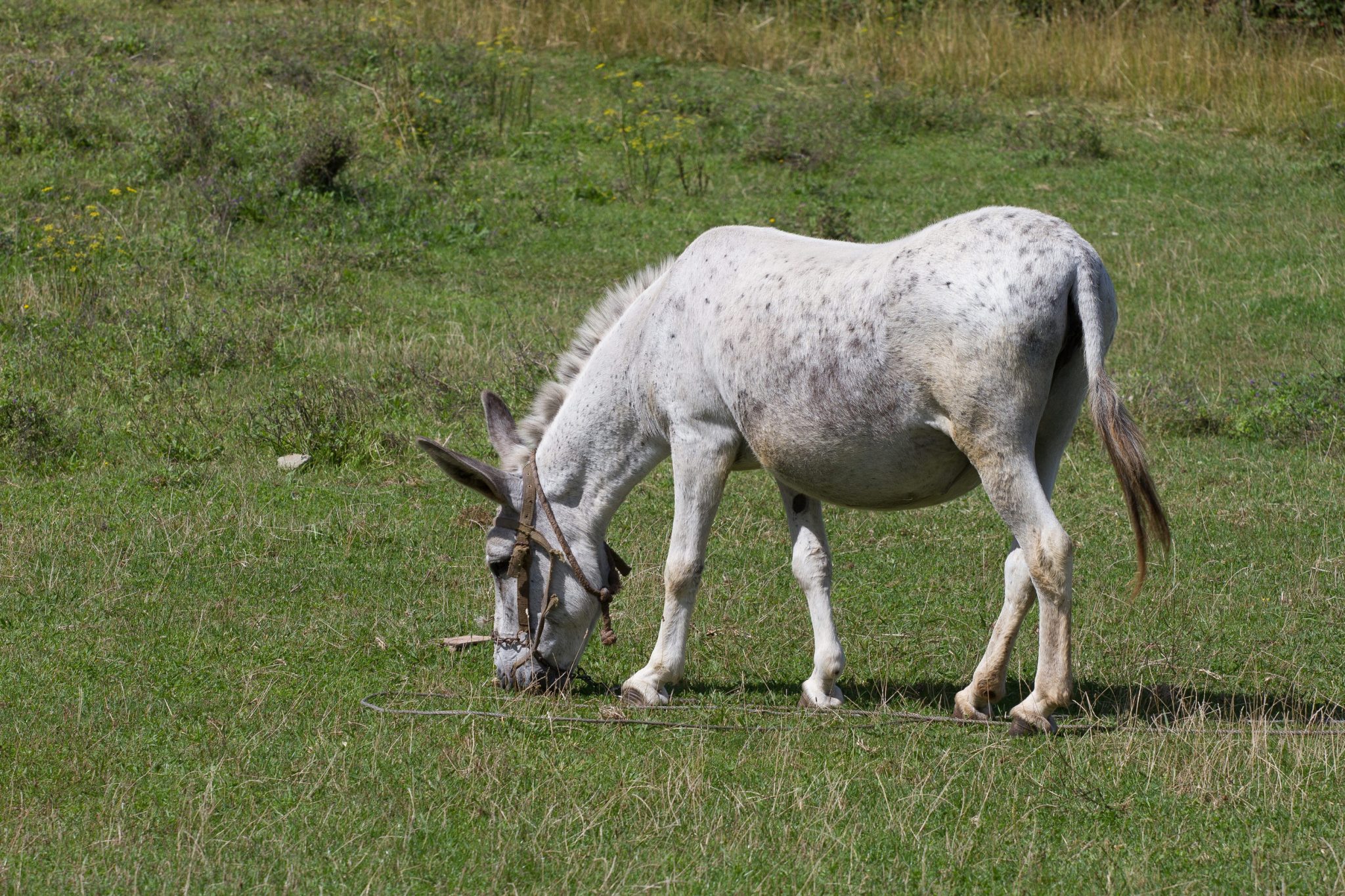
One innovative solution to combat this issue involves the use of donkeys, specifically in and around Doñana National Park, a crucial wetland ecosystem in Europe. Since 2014, a group of 18 donkeys from the association El Burrito Feliz has been deployed to graze areas on the park’s outskirts. These animals, described as “herbivorous firefighters,” are tasked with consuming dense scrub vegetation that accumulates in the absence of traditional grazing practices.
The grazing strategy has proven effective, as Doñana National Park has not recorded a forest fire since the project began. The donkeys graze in strips of approximately 40 by 15 meters (about 131 by 49 feet) between March and November, effectively reducing the fuel load that can lead to wildfires. Their unique dietary habits allow them to consume dry, coarse vegetation that other livestock typically avoid, making them a vital component of fire prevention efforts.
The success of this model has inspired similar initiatives across Spain, including the Burros Bomberos project in Tivissa, Tarragona, which started in 2020 with three donkeys and has grown to around 40, successfully clearing close to 400 hectares (about 988 acres) without any reported fires. In Allariz, Orense, the Andrea Association employs GPS-equipped donkeys to manage nearly 1,000 hectares (approximately 2,471 acres) within a biosphere reserve, covering up to 19 kilometers (about 12 miles) daily.
These programs not only help reduce fire risk but also contribute to rural regeneration by providing rescued animals with meaningful work. However, experts emphasize that while donkeys play a significant role, they are not a standalone solution. Effective forest planning, land management, and a reduction in flammable monocultures are essential components of a comprehensive strategy to mitigate fire risks.
The success of the donkey grazing initiatives illustrates a return to traditional practices as a means of environmental management, suggesting that integrating grazing animals into modern land management could be a viable strategy for fire prevention and landscape preservation in Spain.
Check out the original article here: Source link