Image Credit: jspannhoff/123rf.com
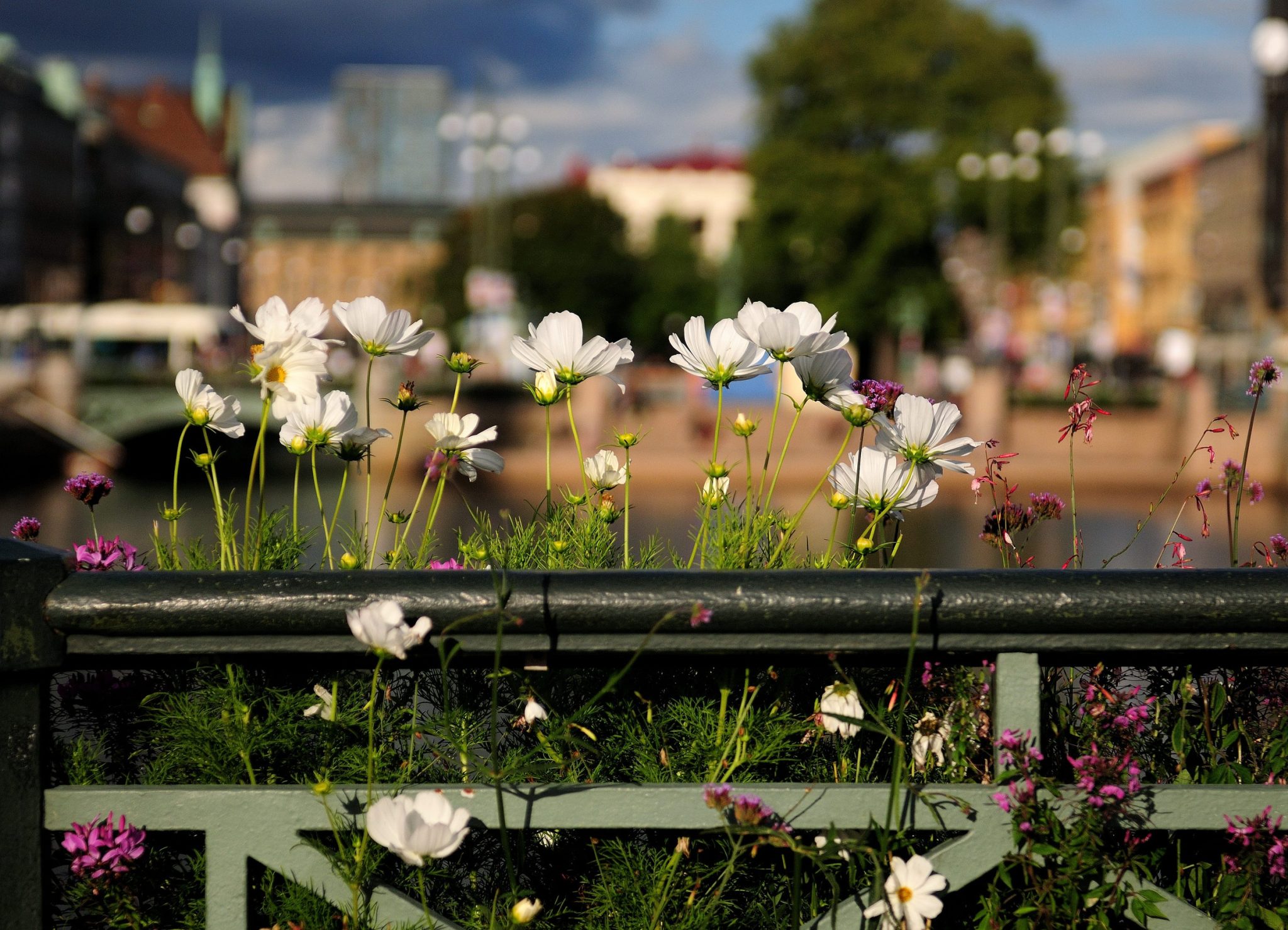
The UK has experienced a significant decline in wildflower meadows, losing 97 percent over the past century, mainly due to agricultural practices. However, urban areas are emerging as unexpected havens for these resilient plants. Contrary to conventional belief that cities are inhospitable to biodiversity, urban environments are proving to be surprisingly conducive to wildflower growth.
The diverse landscapes within cities, including pavements, rooftops, and abandoned industrial sites, create unique microclimates where wildflowers can thrive. This fragmentation, rather than being a disadvantage, provides various niches for wildflowers to establish themselves without facing intense competition from dominant grasses and shrubs.
Brownfield sites, in particular, have become fertile ground for wildflower communities. Although contaminated with industrial remnants, these locations often present ideal conditions for certain wildflower species. Some plants have adapted to thrive in soils containing heavy metals, allowing them to flourish where traditional gardens would struggle.
Research indicates that the presence of wildflowers has broader ecological benefits. A study conducted at King’s College Cambridge found that a small patch of converted lawn yielded three times as many species of plants, insects, and spiders compared to surrounding grass. This increase in biodiversity also attracted more bat species, highlighting the cascading effects of urban wildflower meadows throughout the ecosystem.
Additionally, the timing of flowering in urban areas has begun to alter pollinator behavior. Bumblebees and other pollinators are now establishing winter colonies in cities, taking advantage of non-native wildflowers that bloom outside their typical seasons. This shift indicates a profound change in urban ecology, with species adapting to new food sources.
Despite these positive developments, there remains a cultural resistance to the concept of wildflower meadows in public spaces. Many individuals equate longer grass with neglect, preferring manicured lawns that reflect traditional notions of well-kept areas. Local authorities are increasingly recognizing the ecological benefits of allowing certain areas to remain unmown, but changing public perception remains a challenge.
As urban ecologists advocate for a balance between human spaces and nature, the integration of wildflowers into city landscapes is gaining traction. By embracing a more natural aesthetic, cities can not only enhance biodiversity but also contribute to the overall health of urban ecosystems.
Check out the original article here: Source link