Image Credit: lianem/123rf.com
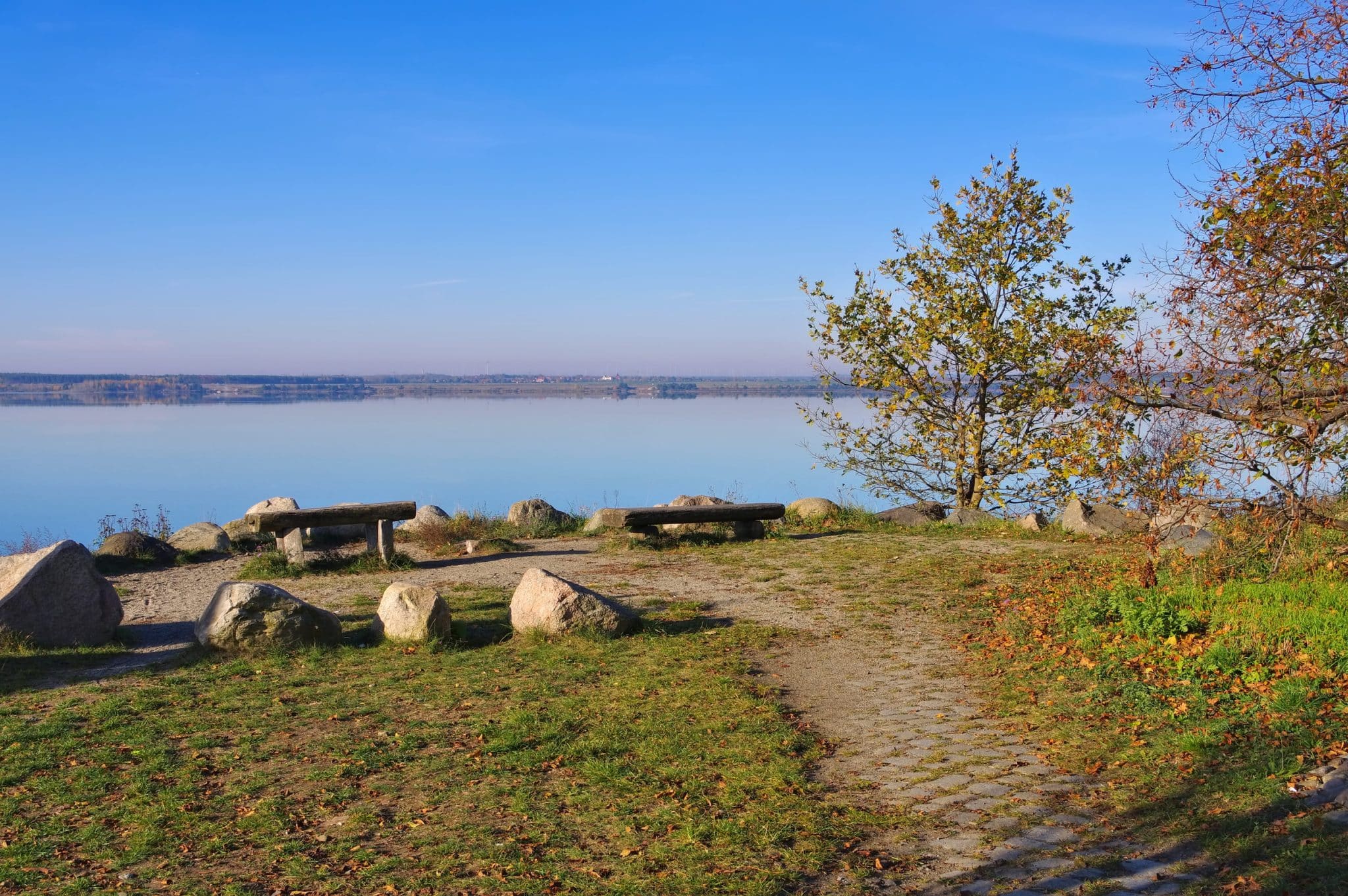
In a transformative environmental project, the Lusatian Lakeland in eastern Germany has reached a significant milestone with the opening of Lake Sedlitz, the final piece of a 23-lake complex. This ambitious initiative, which began after the closure of lignite mining operations, has resulted in the creation of Europe’s largest artificial water landscape, covering a total area of 144 square kilometers (56 square miles), comparable to Italy’s Lake Como.
The project, overseen by the Lausitz and Central-German Mining Administration Company (LMBV) since the early 1990s, involved the deliberate flooding of former mining pits. While natural processes could have filled these craters over 80 to 100 years, the LMBV opted for a more proactive approach by channeling water from the Neisse, Spree, and Schwarze Elster rivers into the excavated areas. This method required meticulous planning to avoid disrupting local infrastructure, including power stations and shipping routes.
The financial investment for the Lusatian Lakeland has been substantial, amounting to approximately 7 billion euros ($7.6 billion) for regional reorganization and an estimated total of 13.8 billion euros ($15 billion) for all projects managed by the LMBV. The funding structure includes 75 percent from the federal government and 25 percent from state sources, with each lake costing between 200 and 600 million euros ($220 to $660 million) to create.
Beyond serving as a recreational destination, the lakes play a critical role in managing water resources during droughts, thus addressing climate challenges in the region. The interconnected lakes will eventually be linked by a navigable canal network spanning 7,000 hectares (about 27 square miles), enhancing their utility as water reservoirs.
The project has also revitalized local economies, creating jobs in hospitality and tourism, which is particularly beneficial for communities that historically relied on coal mining. In 2025, the region recorded around 800,000 overnight stays, with a notable increase in Czech tourism. Efforts are now underway to attract Polish visitors, with a long-term goal of achieving 1.5 million annual overnight stays.
As Lusatia transitions away from coal, the project’s success serves as a model for other coal-dependent regions in Europe. With plans for further mining operations to conclude by 2038, the ongoing transformation of Lusatia exemplifies how intentional landscape design can foster ecological sustainability and economic resilience.
Check out the original article here: Source link