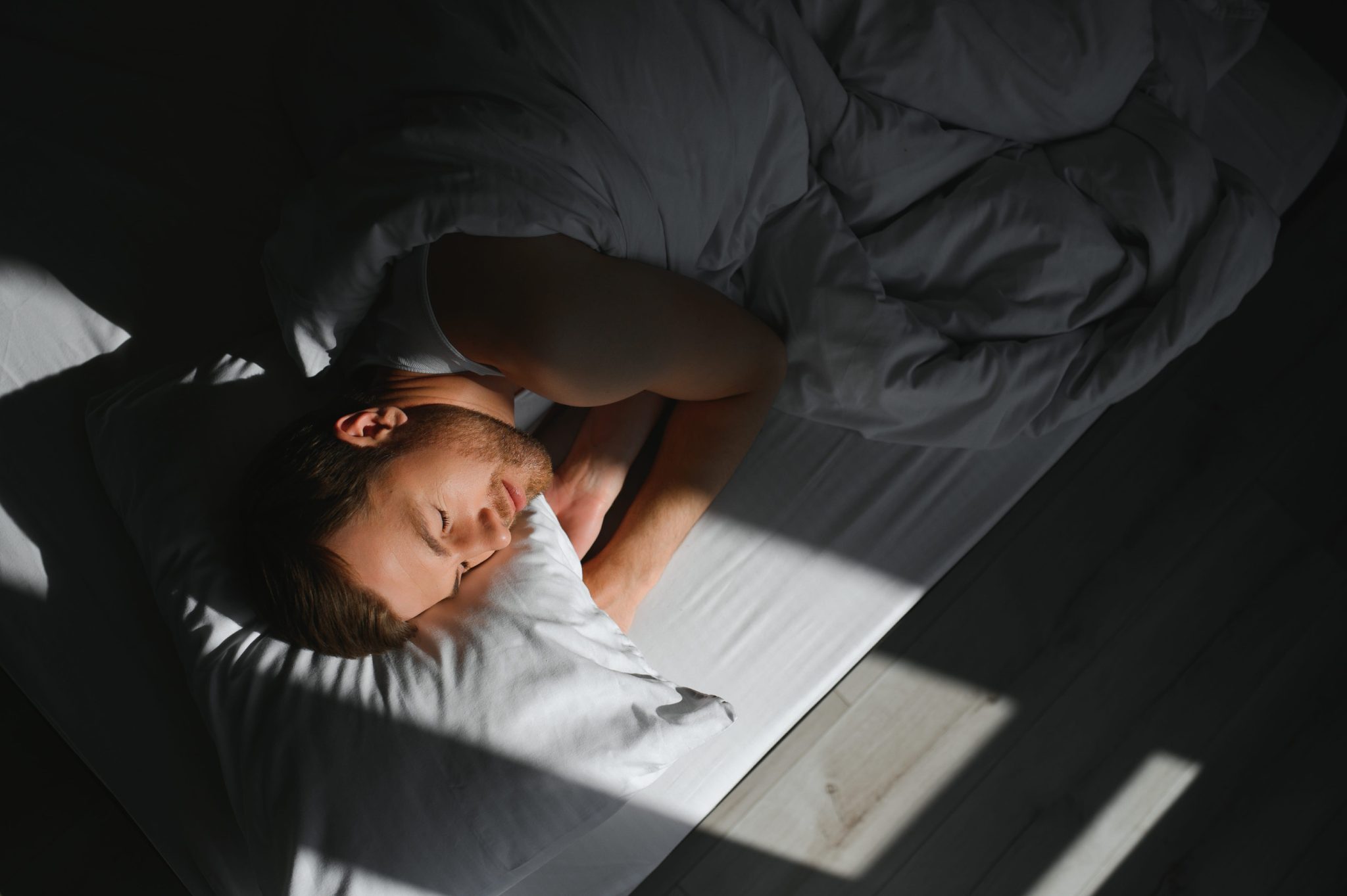
Image Credit: hryshchyshen/123rf.com
Research has revealed that sleep positions significantly impact overall health, with varying benefits and drawbacks associated with different stances. Most conventional sleep advice focuses on sleep duration and routine; however, understanding how body positioning affects physiological processes during sleep is crucial for achieving restorative rest.
Back sleeping is generally considered beneficial for adults, provided that a supportive pillow maintains the neck and spine in a neutral position. This alignment helps keep the airway open, promoting easier breathing throughout the night. However, for individuals suffering from sleep apnea, back sleeping can exacerbate the condition by allowing the tongue to obstruct the airway. In young infants, back sleeping is recommended to reduce the risk of sudden infant death syndrome (SIDS), highlighting the position’s importance for different age groups.
Side sleeping, which can either be on the left or right side, offers distinct advantages. Research indicates that right-side sleeping may improve blood flow and reduce pressure on the heart, while left-side sleeping appears to enhance the brain’s glymphatic system—its waste clearance mechanism, which is particularly active during sleep. This suggests that left-side sleeping could be more effective in removing potentially harmful metabolic byproducts linked to neurodegenerative diseases.
The positioning of the body while side sleeping also plays a role in maintaining spinal alignment. A straight posture supports spinal health, while a fetal position may alleviate lower back pain but can restrict diaphragm movement, leading to shallower breathing.
To determine the most effective sleep position, individuals should consider their specific health needs. The ABCs of respiratory therapy—airway, breathing, and circulation—serve as a useful framework. For those with sleep apnea or respiratory issues, ensuring an open airway is paramount. Conversely, individuals dealing with back pain may prioritize spinal alignment over airway concerns.
Small adjustments can enhance comfort and support across all sleeping positions. For side sleepers, placing a pillow between the knees can help align the hips and spine. Back sleepers may benefit from a pillow under the knees to relieve lower back strain. Stomach sleepers, who often experience neck and spine stress, might consider using a thin pillow under the hips to reduce pressure.
Movement during sleep is a natural phenomenon, and occasional repositioning is normal. However, excessive movement due to discomfort could indicate a need to reassess one’s sleep position or environment. Ultimately, finding the optimal sleep position involves balancing ease of breathing, spinal support, and overall comfort to facilitate restful sleep tailored to individual health profiles.
Check out the original article here: Source link