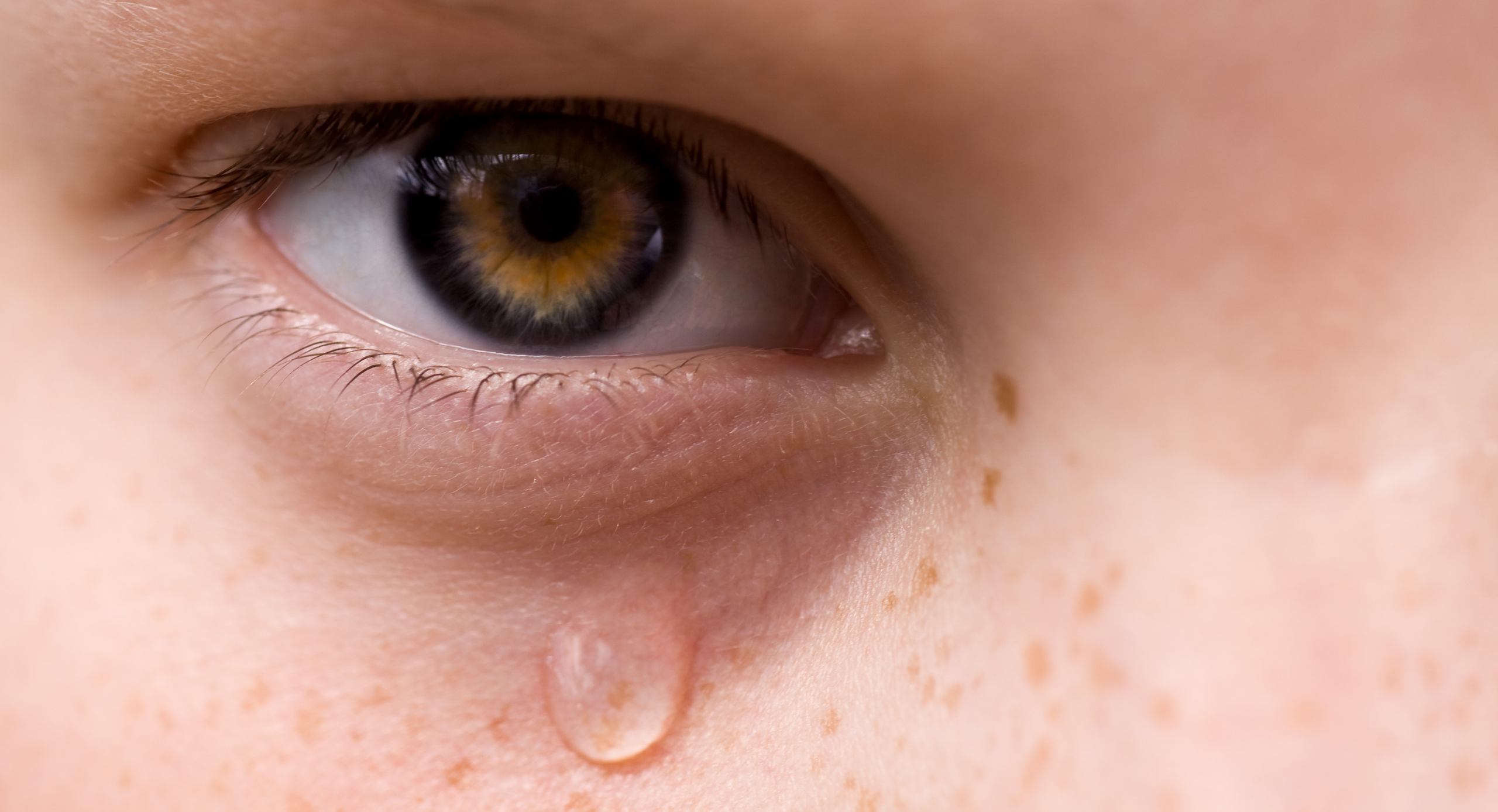
Image Credit: thorkell/123rf.com
Crying is a fundamental emotional expression that serves a vital role in human life from infancy to adulthood. It acts as both a self-soothing mechanism for babies and a communicative tool signaling unmet needs. As individuals grow, societal norms often shape their attitudes towards crying, leading to significant differences in frequency between genders. Research indicates that women may cry between 30 to 64 times a year, while men typically cry only 5 to 17 times.
The therapeutic benefits of crying are well-documented. Emotional tears can trigger the release of oxytocin and endorphins, which enhance feelings of bonding and alleviate emotional and physical discomfort. This process activates the parasympathetic nervous system, promoting a calming effect that can be particularly beneficial during stressful times. Crying serves as a natural stress reliever, helping individuals manage emotions and regain balance in challenging situations.
Biologically, tears are composed of a complex mixture of electrolytes, enzymes, and hormones. Studies suggest that emotional tears may contain higher concentrations of proteins and minerals, which play roles in bodily regulation. The therapeutic properties of crying are likely connected to these biological components, indicating that tears may facilitate physical and emotional healing.
In addition to their emotional benefits, crying has been associated with improved physical health. It may contribute to lower blood pressure, enhanced cardiovascular health, and strengthened immune function. Furthermore, crying can foster emotional connections and social bonding, particularly when shared with supportive individuals. This shared experience can deepen relationships and cultivate empathy.
While the frequency of crying varies among individuals, it remains a crucial coping strategy for many. Recognizing the positive aspects of crying encourages emotional expression, helping people navigate life’s challenges with greater resilience. Embracing tears as a natural response not only aids in emotional processing but also fosters a deeper understanding of oneself and one’s environment.
Check out the original article here: Source link