Image Credit: mxwphotography/123rf.com
As winter weather approaches, the risk of encountering black ice on the roads increases, posing a significant danger to drivers and pedestrians alike. This nearly invisible layer of ice can form under specific conditions, often without any visible precipitation, making it particularly treacherous.
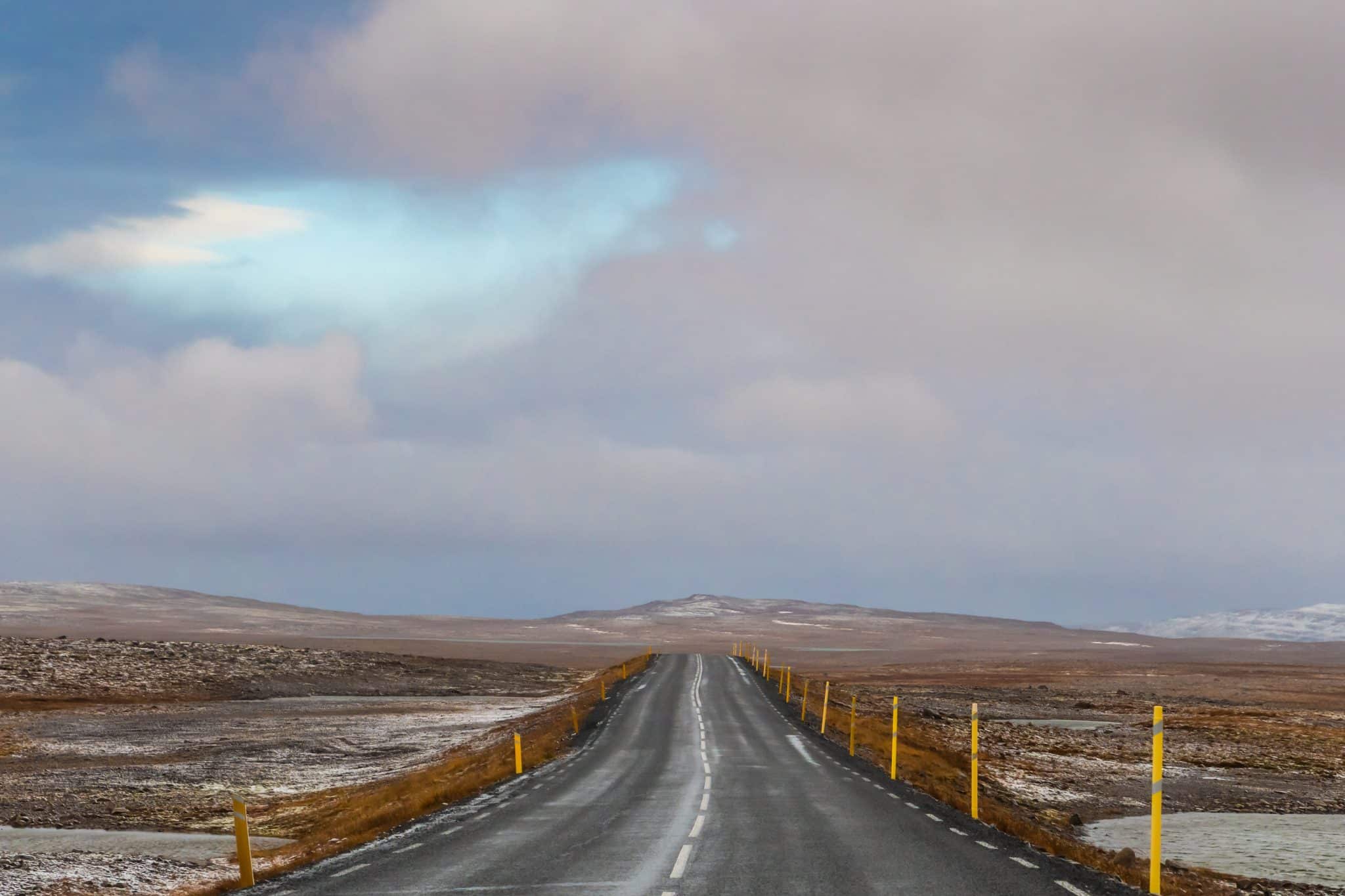
Black ice, despite its name, is not actually black. It gets its designation from its ability to blend seamlessly with the dark asphalt beneath it, rendering it almost invisible, especially at night. It typically forms when a thin layer of moisture freezes into a smooth, clear sheet. Commonly, this occurs during freeze-thaw cycles when temperatures hover around the freezing point. For instance, rain or melting snow can wet the pavement during the day, and as nighttime temperatures drop, that moisture can harden into black ice.
Meteorologists warn that drivers should be particularly cautious during early morning or late evening hours, even when temperatures appear to be above freezing. The road surface may still be colder than the air, allowing for ice formation. This phenomenon is exacerbated in colder regions where climate change may lead to an increase in freeze-thaw cycles.
Certain locations are more susceptible to black ice formation. Bridges and overpasses cool down faster than regular roads due to their exposure to air on all sides. Similarly, shaded areas and low-lying dips in the road tend to retain moisture longer, facilitating the creation of ice. Black ice also affects pedestrians, leading to slips and falls on sidewalks and driveways.
While it can be difficult to spot black ice, subtle signs may indicate its presence. Patches of pavement that appear shinier or reflect light differently could signal danger. To navigate these conditions safely, drivers are advised to remain alert and assume the possibility of black ice whenever temperatures are near freezing and roads are damp.
In the event of encountering black ice, experts recommend several strategies. Drivers should remain calm and avoid abrupt actions such as slamming the brakes or jerking the steering wheel, which can lead to a loss of control. Instead, keeping the steering wheel straight and allowing the vehicle to slow naturally can help regain control. For those equipped with anti-lock brakes, applying firm, steady pressure is advised, while those without should gently pump the brakes.
Understanding the nature of black ice and its formation can enhance winter driving safety. By recognizing the risk factors and employing appropriate driving techniques, individuals can better navigate potentially hazardous conditions and maintain safer roadways during the winter months.
Check out the original article here: Source link