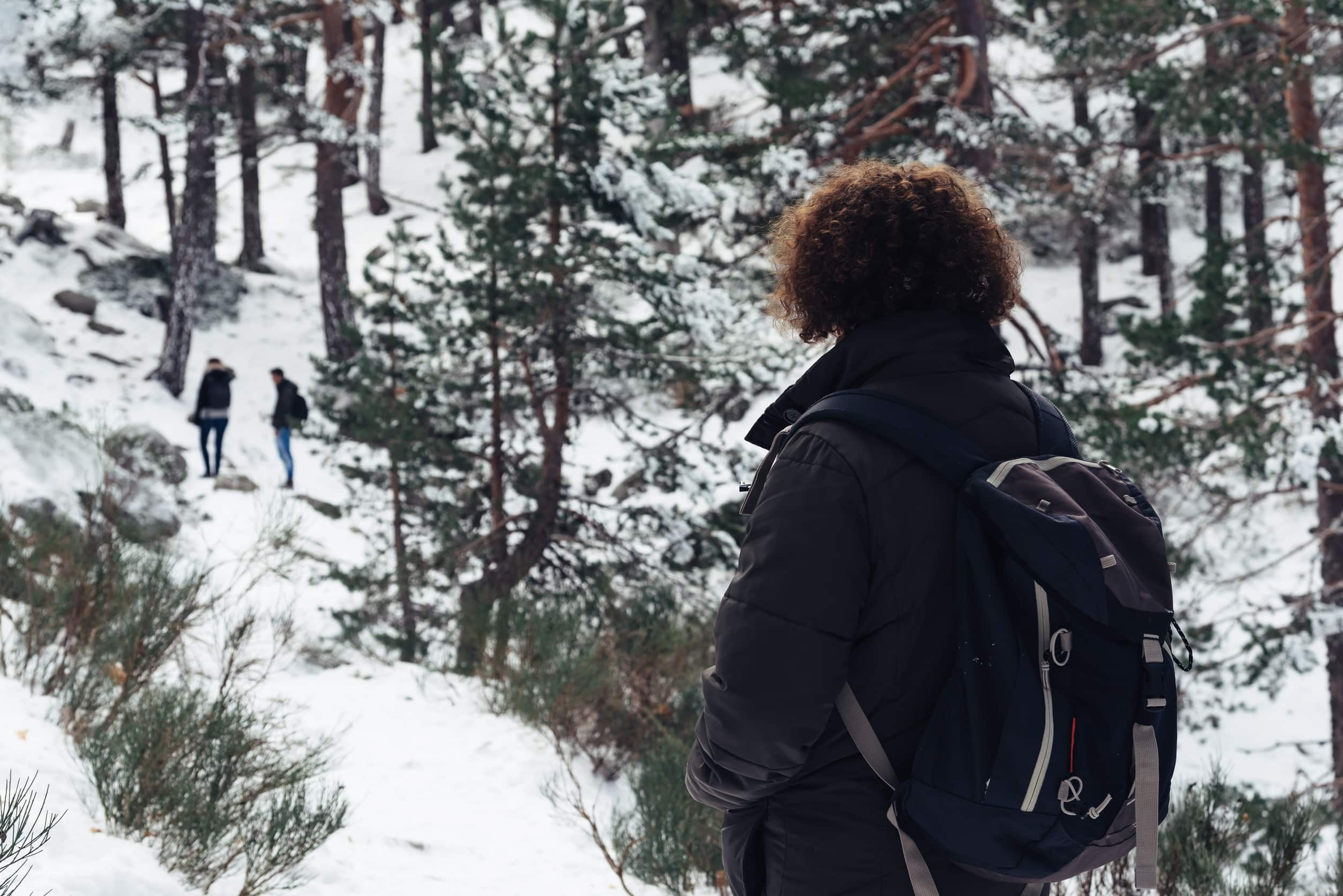
Image Credit: jjfarquitectos/123rf.com
Winter hiking offers a serene and picturesque experience, characterized by snow-draped landscapes and tranquil trails. However, it also presents unique challenges, such as reduced daylight hours, icy paths, and unpredictable weather conditions. With proper preparation and safety measures, outdoor enthusiasts can enjoy the beauty of winter hiking while minimizing risks.
Navigational skills are crucial for winter hikes. While technology can be helpful, relying solely on a smartphone can be unreliable in snowy conditions. It is advisable to carry a waterproof map and a reliable compass, ensuring a safe and effective navigation method in case of signal loss or battery drain.
Setting realistic goals is essential for winter hiking. The combination of shorter days and potentially hazardous conditions necessitates scaling back ambitious plans. Hikers are encouraged to prioritize safety over pushing their limits, making sensible decisions throughout their journey.
Weather in winter can be unpredictable, especially at higher elevations. Monitoring weather forecasts in advance and continuously checking for updates during the hike is essential. Key factors to consider include wind speeds, precipitation, and freezing levels, as these can significantly impact safety on the trail.
Preparation for unexpected situations is vital. Hikers should save local rescue numbers on their phones and be aware of essential information to provide in case of emergencies, including their route and current location. Additionally, sharing hiking plans with a trusted individual, including estimated return times and changes in the itinerary, can enhance safety.
Dressing appropriately is crucial for comfort and warmth while hiking in winter conditions. It is recommended to avoid cotton, as it traps moisture. Instead, layering with synthetic or wool base layers, insulating mid-layers, and a waterproof outer shell is ideal. Sturdy, waterproof boots with good traction are also necessary, along with accessories such as gloves and hats.
Choosing hiking companions wisely enhances the experience and safety of winter hikes. A well-prepared and collaborative group can tackle challenges more effectively, turning a tough hike into a rewarding adventure.
Packing smartly is another key aspect of winter hiking. Essential items to include in a backpack are a first-aid kit, a powerful head torch with spare batteries, extra clothing, a bivvy bag for emergencies, and a flask of a warm beverage. A power bank for mobile devices is also recommended, as cold weather can quickly deplete battery life.
Ultimately, winter hiking is about more than just reaching a destination; it emphasizes the journey itself. Hikers are encouraged to appreciate the quiet beauty of snow-covered landscapes and the unique experiences that winter trails offer. With the right preparation and mindset, winter hiking can lead to unforgettable memories and a deep appreciation for nature’s winter wonders.
Check out the original article here: Source link