Image Credit: Laures/123rf.com
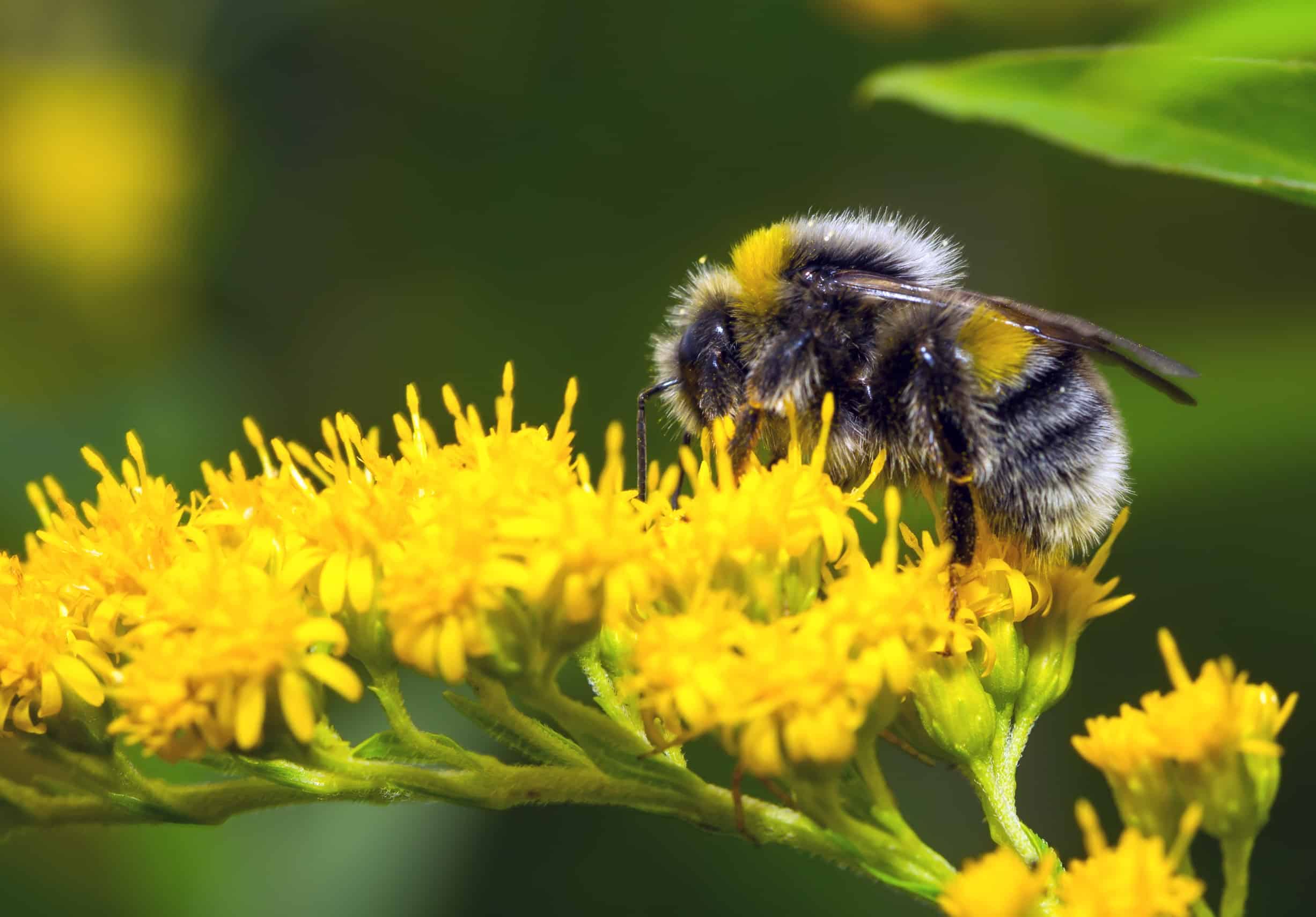
A recent study published in the journal Science reveals that bumblebees can experience and share positive emotions, suggesting a complex social and emotional life among these vital pollinators. Researchers found that when one bee enjoys a rewarding experience, such as tasting sugar, this positive mood can influence other bees within the colony, leading them to approach new tasks with increased confidence.
The study highlights a fascinating phenomenon known as “affective contagion.” In controlled experiments, a bee that received a sugar reward interacted with another bee for just 30 seconds. This brief encounter was sufficient to alter the behavior of the observer bee, which began to tackle ambiguous tasks with a more optimistic mindset, despite not having received any reward itself. This behavioral change was measured using a judgment-bias test, which assesses an animal’s expectation of positive or negative outcomes based on their past experiences.
Importantly, the researchers determined that visual cues, rather than smell or touch, were essential for this emotional transmission. When the interactions took place in darkness, the effect disappeared, underscoring the role of sight in facilitating social bonding among bees.
The study also raises intriguing questions about the underlying mechanisms of this emotional sharing. While the research did not directly measure brain chemicals, the behavioral patterns observed in the bees suggest a potential link to dopamine, a neurotransmitter associated with reward and mood regulation.
The implications of this research extend beyond understanding bee behavior. It suggests that emotions can ripple through a bee colony, potentially affecting the overall well-being of the group. If positive states can spread among bees, it stands to reason that negative emotions, such as stress from environmental disturbances, could also propagate, emphasizing the importance of creating low-stress environments for pollinators in agricultural and conservation efforts.
As our understanding of bee cognition and emotion evolves, it becomes clear that these creatures exhibit far more complexity than previously assumed. The ability to share and influence emotional states among bumblebees challenges traditional notions of insect behavior and highlights the interconnectedness of life, even at the smallest scales. This research serves as a reminder that emotions can be subtle yet impactful, shaping interactions in ways that might not always be visible.
Check out the original article here: Source link