Image Credit: ecarlander/123rf.com
The global initiative to protect marine ecosystems is gaining traction as nations strive to meet the United Nations’ goal of safeguarding 30 percent of the world’s oceans by 2030. A recent study highlights the importance of not just designating marine protected areas (MPAs) but ensuring their enforcement is effective in maintaining biodiversity, particularly shark populations.
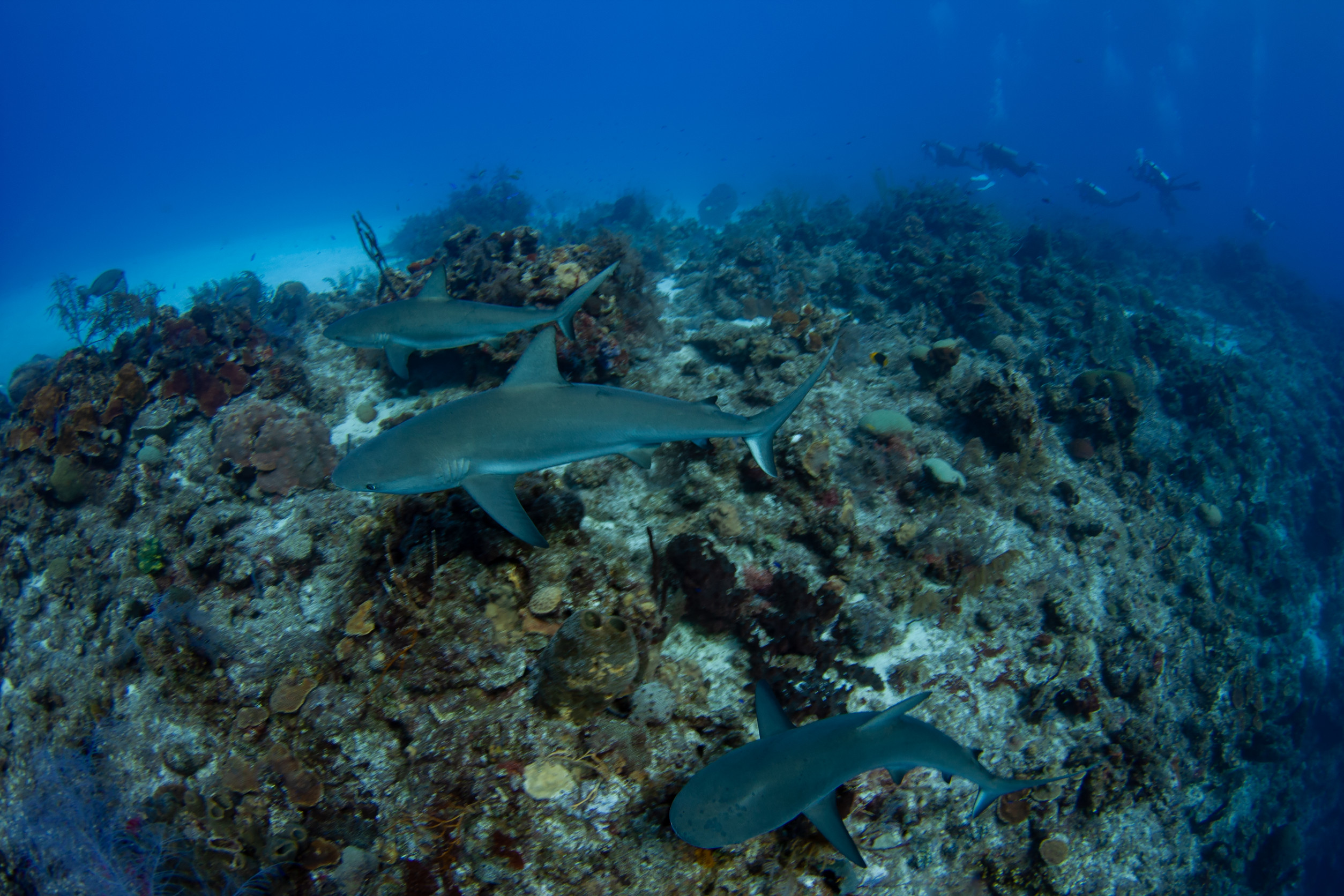
Conducted across seven marine parks from Mexico to Ecuador, the study emphasizes that shark populations serve as key indicators of healthy ocean ecosystems. Researchers found that while sharks thrived in remote, strictly protected areas, their numbers dwindled in coastal parks, even those designated as protected. This disparity underscores the need for enforcement; without it, the protection offered by MPAs is largely ineffective.
Sharks play a crucial role in maintaining the balance of marine ecosystems. Often referred to as “reef managers,” they help regulate prey populations and support the integrity of marine food webs. Their presence signals a healthy ecosystem, while their absence can indicate ecological distress.
The study utilized baited remote underwater video systems (BRUVs) to observe shark populations in various parks. The results revealed a stark contrast: offshore sanctuaries such as Darwin and Wolf Islands in the Galápagos, Malpelo in Colombia, and Revillagigedo in Mexico boasted robust shark populations due to stringent protections, including fishing bans and regular patrols. In contrast, coastal MPAs like Machalilla and Caño Island recorded minimal shark sightings, highlighting the impact of illegal fishing activities that often go unpunished.
Currently, only 3 percent of the ocean is adequately protected from fishing, and the findings suggest that MPAs allowing fishing are ineffective. Marine reserves, when properly managed and enforced, can lead to increased fish populations that extend beyond their boundaries, benefiting local fisheries.
Countries such as Palau, Gabon, Seychelles, and Chile have successfully protected over 30 percent of their waters and are witnessing both ecological and economic advantages. These nations recognize that robust protections are essential for the sustainability of their fishing industries and coastal economies.
The study serves as a critical reminder that the mere establishment of MPAs is insufficient. Effective enforcement, community engagement, and investment in surveillance are vital to ensuring these protected areas fulfill their intended purpose. As nations work towards global conservation targets, it is crucial to move from merely designating protected areas to ensuring their effectiveness in safeguarding marine biodiversity.
Check out the original article here: Source link