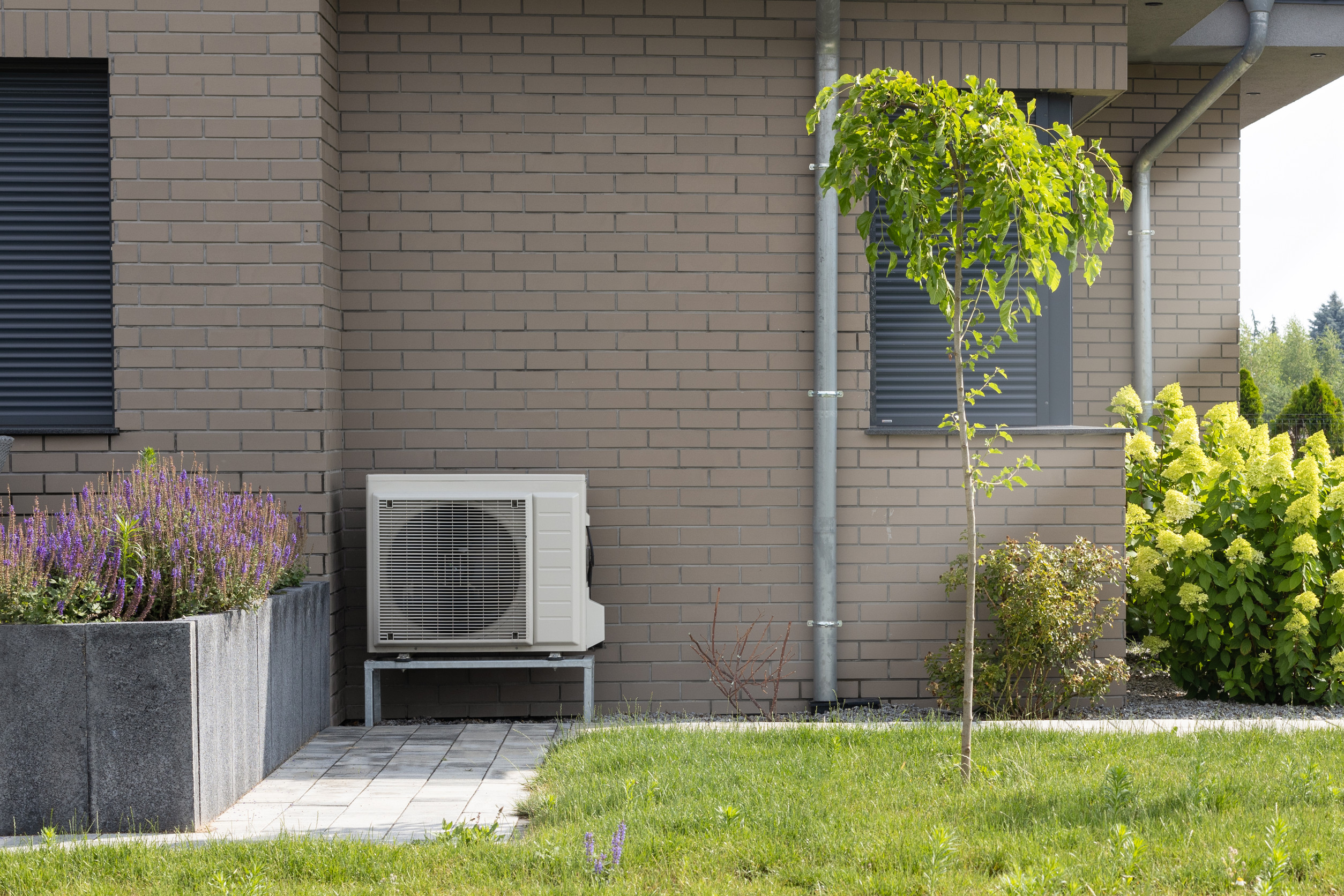
Image Credit: maxshot/123rf.com
Five states in New England have united to launch a significant initiative aimed at enhancing home heating efficiency and reducing carbon emissions. The New England Heat Pump Accelerator, backed by a $450 million investment from the federal Climate Pollution Reduction Grants program, seeks to deploy over 580,000 heat pumps across Connecticut, Maine, Massachusetts, New Hampshire, and Rhode Island in the coming years.
Historically, New England has depended heavily on fossil fuels such as heating oil, propane, and natural gas, particularly in Maine, where more than half of homes utilize heating oil. This reliance exposes residents to fluctuating energy prices and contributes to greenhouse gas emissions. The initiative aims to address these challenges by promoting cleaner heating technology that can operate efficiently even in the region’s harsh winter conditions.
The program is structured around three primary areas, referred to as “hubs.” The market hub will allocate approximately $270 million to midstream incentives, allowing distributors to lower costs for contractors who will then pass savings onto consumers. Expected reductions in cost include $500 to $700 off cold-climate air-source heat pumps and $200 to $300 off heat pump water heaters.
The innovation hub will provide each participating state with $14.5 million to develop pilot programs, particularly targeting low- and moderate-income communities. These programs may include initiatives like lending libraries for window-mounted heat pumps to support residents facing unexpected heating failures. Additionally, the hub will focus on workforce development, creating training pathways for contractors, anticipated to launch in April 2026.
Finally, the resource hub will serve as a centralized information center for contractors, distributors, and program implementers, with the goal of ensuring that all components of the initiative are operational by spring 2026.
If the New England Heat Pump Accelerator meets its goals, it is projected to reduce carbon emissions by 2.5 million metric tons by 2030, equivalent to removing over 540,000 gas-powered vehicles from the roads. As federal tax credits for heat pump installations are expected to phase out, this regional effort is poised to play a crucial role in advancing clean energy solutions while helping households manage their energy costs.
Check out the original article here: Source link