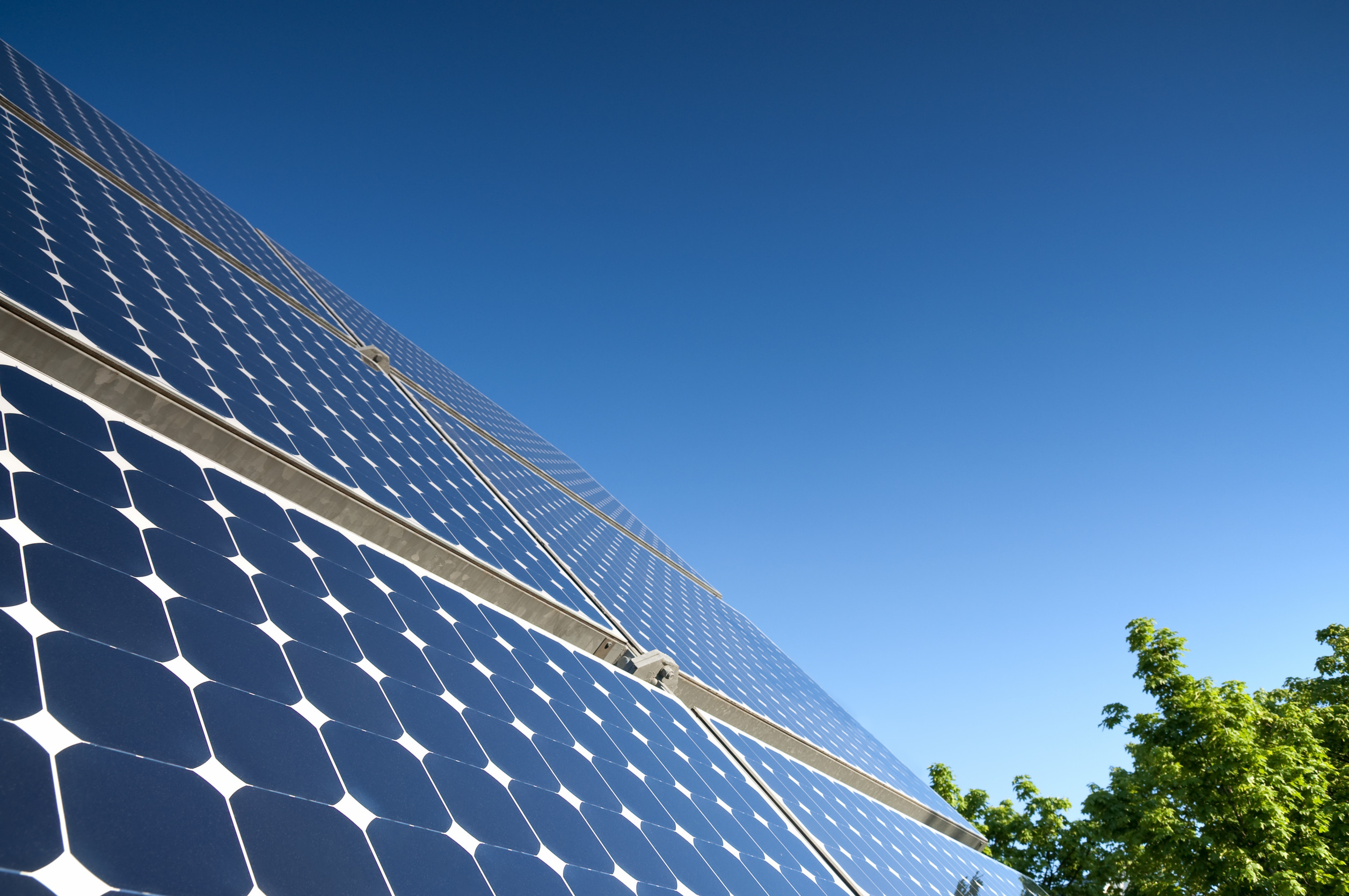
Image Credit: gyuszko/123rf.com
In Taradell, a small town in Catalonia, Spain, a community initiative focused on gardening has transformed into a significant clean energy project. The cooperative, Taradell Sostenible, was founded by four local activists who recognized the potential for the town to not only grow its own food but also generate its own renewable energy. With 111 members, the cooperative now supplies renewable electricity to over 100 households, including many low-income families.
To make membership accessible, the cooperative reduced the entry fee from €100 (approximately $108 USD) to €25 (around $27 USD) for residents identified as low-income by local authorities. Supported by Spain’s Institute for the Diversification and Saving of Energy (IDAE), Taradell Sostenible has installed solar panels on community buildings, earning national recognition for its pioneering efforts.
Spain’s renewable energy landscape has evolved significantly since the removal of the “sunshine tax” in 2018, which previously hindered solar energy adoption. Following this policy change, the country has seen a dramatic increase in rooftop solar installations, growing over seventeenfold according to IDAE statistics. The institute is now focusing on expanding community energy projects, allocating €148.5 million (approximately $160 million USD) to support 200 such initiatives nationwide.
IDAE’s current strategy aims to combat fuel poverty, which affects households unable to afford the upfront costs of installing solar systems. By fostering shared, community-owned solar installations, cooperatives can provide affordable and clean energy, alleviating the financial burden on individual families. Taradell Sostenible has collaborated with nearby energy communities, enhancing its outreach to vulnerable residents.
The movement toward community energy extends beyond Catalonia, with island communities in Galicia also set to benefit. The island of Ons, for example, plans to replace its diesel generator with solar power, thereby supplying energy to its elderly residents.
Local renewable energy initiatives not only reduce costs and emissions but also contribute to a more resilient power grid. The recent blackout affecting Spain and Portugal highlighted the vulnerabilities of a centralized energy system, making distributed community energy projects an attractive alternative. With 65% of the Spanish population living in apartment buildings, rooftop cooperatives offer a feasible solution for many who cannot install individual solar systems.
As Spain’s community energy revolution continues to grow, the collaborative efforts in Taradell serve as a model for other regions, demonstrating how local, democratic, and accessible energy solutions can reshape the country’s energy landscape.
Check out the original article here: Source link