Image Credit: serezniy/123rf.com
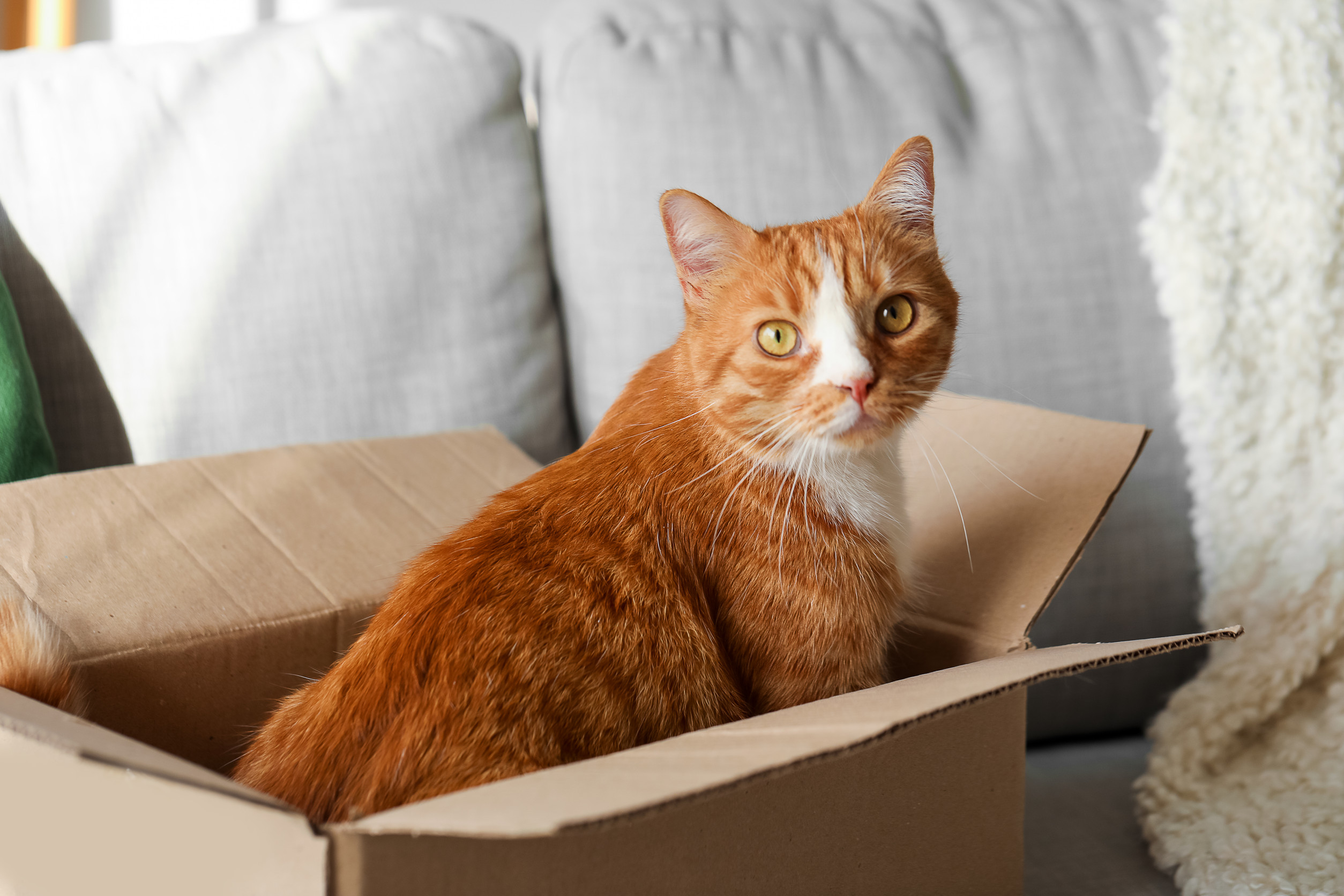
A recent analysis of feline behavior has shed light on why cats are drawn to cardboard boxes, revealing that this affinity is deeply rooted in their evolutionary history. Experts in cat behavior emphasize that boxes provide not only a playful diversion but also fulfill essential instinctual needs for both hunting and emotional security.
Historically, cats are both predators and prey in the wild, making their need for safe hiding spots critical. Boxes mimic the natural hiding places that outdoor cats utilize while hunting, offering protection and a vantage point for pouncing. This behavior reflects an innate strategy that serves to enhance their survival.
In addition to serving as hunting aids, boxes also act as emotional sanctuaries. Cats instinctively seek out covered, quiet areas when feeling stressed or overwhelmed, a behavior that begins in kittenhood. Mother cats often choose secluded locations to give birth, providing their kittens with a protected environment from the start. Access to boxes can significantly reduce cortisol levels in anxious or recently rescued cats, promoting a sense of safety.
Cats are also naturally curious creatures, and the introduction of a new box into their environment can pique their interest and encourage exploration. However, context is crucial. A relaxed cat lounging in a box differs significantly from one that appears tense or fearful. Such behaviors can reflect an indoor cat’s limited options for escape and control, which may lead to heightened stress levels.
Kittens develop lifelong habits during their formative weeks, which can influence their behavior as adults. Positive experiences help build resilience, while negative encounters can lead to increased anxiety. For cats that have faced challenges in their early lives, access to cozy hideouts like boxes can provide crucial support in managing their stress.
While the fascination with boxes is a natural part of feline behavior, experts warn that excessive hiding might signal underlying issues. Cat owners are encouraged to monitor their pets and seek professional guidance if they notice increased retreating into boxes.
Understanding why cats are drawn to boxes not only highlights an important aspect of their behavior but also underscores the need for pet owners to create an environment that supports their instinctual needs. Providing safe spaces for cats fosters their well-being and enhances their quality of life.
Check out the original article here: Source link