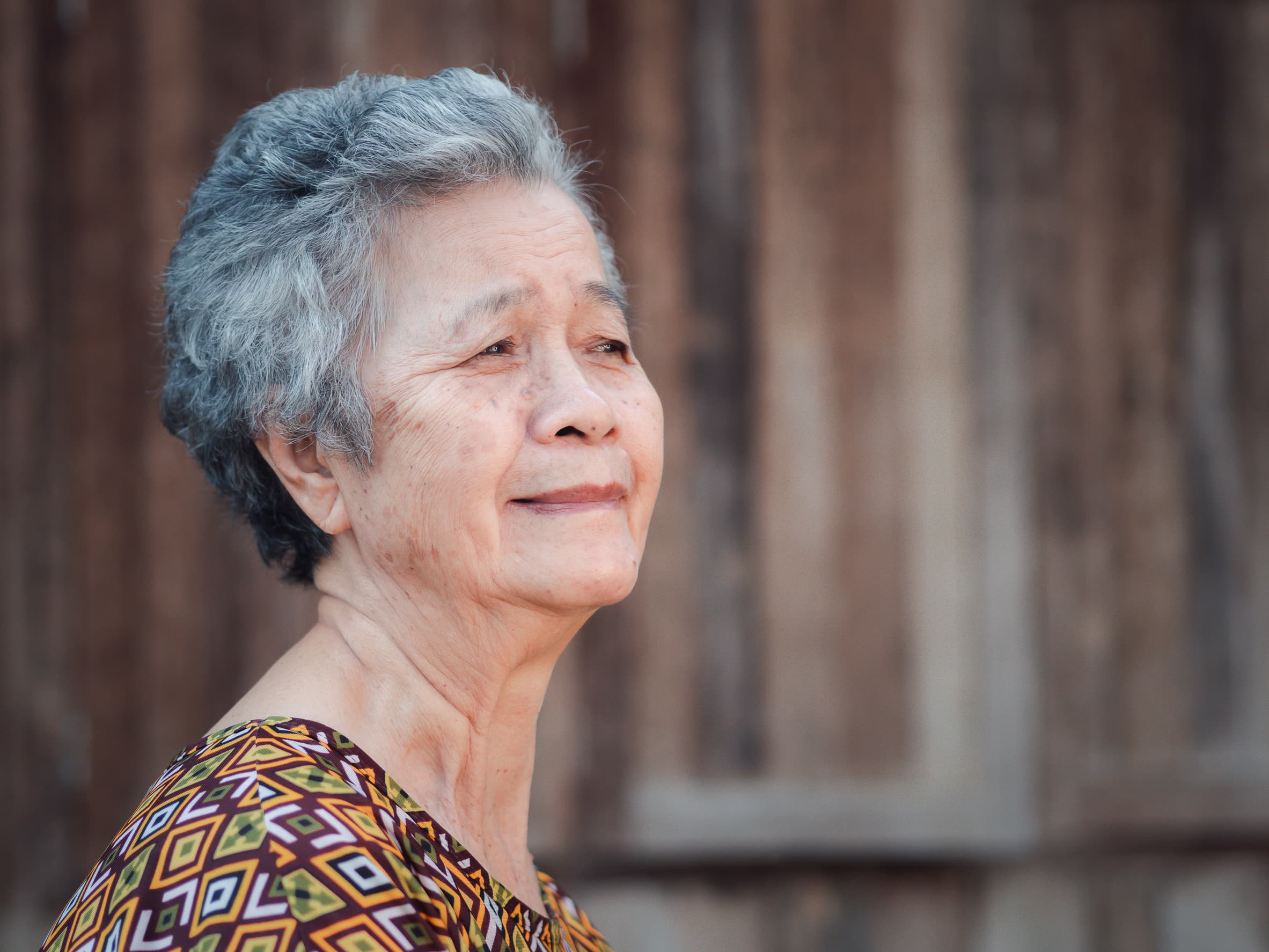
Image Credit: boon8studio/123rf.com
Research from the Max Planck Institute for Evolutionary Anthropology reveals that female mammals generally outlive their male counterparts, a trend that has been consistent throughout evolution and is not merely a modern phenomenon. The study, published in the journal Science Advances, analyzed life expectancy across 528 mammal species, finding that in 72% of these species, females live approximately 13% longer than males.
In the United States, this pattern is reflected in human life expectancy data. As of 2021, women live an average of 81 years, compared to nearly 76 years for men, resulting in a longevity gap of 5.8 years. The researchers attribute this difference to a combination of genetic, behavioral, and evolutionary factors.
Genetically, females benefit from having two X chromosomes, which provide a protective backup against harmful mutations, unlike males, who possess one X and one Y chromosome. Additionally, evolutionary pressures often push male mammals towards behaviors that can jeopardize their longevity. For instance, competition for mates leads to physical transformations that can drain energy and shorten lifespan.
Human males exhibit similar patterns of risky behaviors, engaging more frequently in activities that can lead to premature death, such as substance abuse and violence. Historical trends in smoking have also contributed to men’s higher rates of lung cancer and heart disease. Despite a decrease in smoking rates over the years, the long-term health impacts remain significant.
Another important factor influencing longevity is caregiving behavior. In many mammal species, the parent that invests more time in raising offspring tends to have higher survival rates. As societal norms shift, more men are becoming involved in parenting roles, which may contribute positively to their health and longevity.
The study suggests that promoting healthier lifestyle choices and preventive care can help close the longevity gap between genders. Recommendations from health experts highlight the importance of regular medical checkups and adopting health-conscious habits, such as maintaining a balanced diet, increasing physical activity, and managing stress.
As gender roles evolve, so too can health behaviors, potentially leading to improved outcomes for both men and women.
Check out the original article here: Source link