Image Credit: kanzilyou/123/rf.com
September is proving to be an extraordinary month for astronomy enthusiasts and casual stargazers alike, featuring a series of celestial events that highlight the beauty and wonder of the night sky. From lunar eclipses to planetary alignments, this month offers ten noteworthy occurrences worth observing.
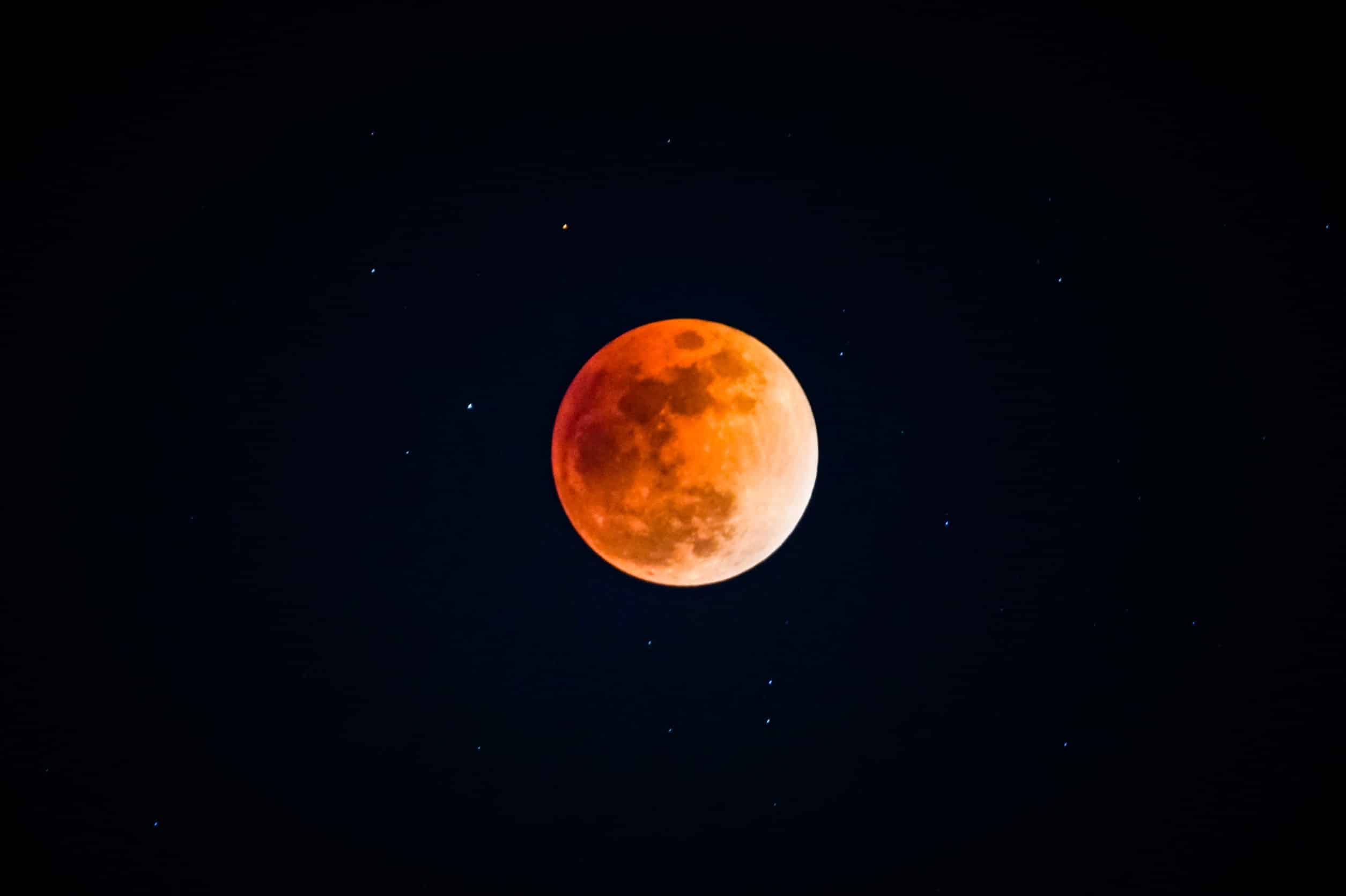
On September 7, a total lunar eclipse will cast a deep red hue over the moon, often referred to as a “blood moon.” This event, lasting from 17:30 to 18:53 UTC, will be visible across much of Asia, eastern Africa, and western Australia. Coinciding with this phenomenon, many will also witness the full “corn moon,” named for its connection to the North American harvest season.
The following night, September 8, the moon will align with Saturn and Neptune in a cosmic trio. Saturn will be easily visible to the naked eye, while Neptune may require binoculars or a telescope for a clearer view. This alignment will peak shortly after midnight.
On September 16, early risers can observe a waning crescent moon passing close to Jupiter, providing an opportunity for telescope users to spot Jupiter’s four largest moons, which will appear as tiny points of light.
September 19 will feature Venus, the “morning star,” as it slips behind the moon in a celestial event known as an occultation. This event will be visible across Europe, Greenland, Canada, and parts of Africa, while others can still see Venus shining near the moon.
The new moon on September 21 will create ideal conditions for deep-sky viewing, allowing the Milky Way to shine brightly in the Northern Hemisphere. This night also marks the opposition of Saturn, which will be at its brightest, visible from dusk until dawn.
A partial solar eclipse will occur on September 22, with the moon obscuring up to 85 percent of the sun’s disk for viewers in the South Pacific and parts of Antarctica. Observers are reminded to use eclipse glasses for safe viewing.
Neptune reaches its opposition on September 23, shining at its brightest, although it remains invisible to the naked eye. Using a telescope, observers can catch a glimpse of this distant planet against the backdrop of a dark sky.
On September 24, skywatchers in the Southern Hemisphere can seek out the “string of pearls” galaxy, NGC 55, which will be at its highest point at midnight. This galaxy’s irregular glow can provide a captivating sight for those with telescopes.
The month concludes on September 27 with the appearance of 47 Tucanae, the second-brightest globular cluster in the night sky. Best viewed from the Southern Hemisphere, this cluster may appear as a fuzzy patch to the naked eye but reveals a dense ball of stars through binoculars or a telescope.
September’s celestial events serve as a reminder of the wonders of the universe, encouraging both amateur and seasoned astronomers to look up and embrace the beauty of the night sky.
Check out the original article here: Source link